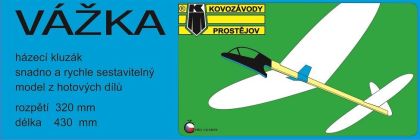
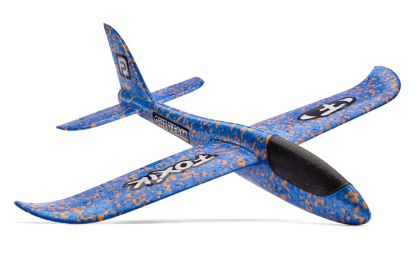
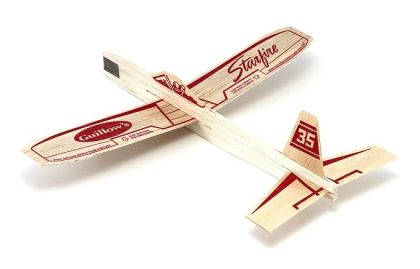
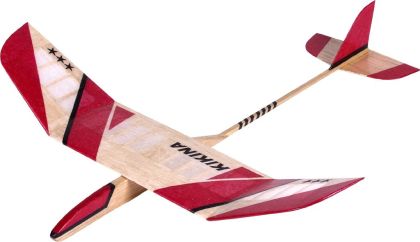
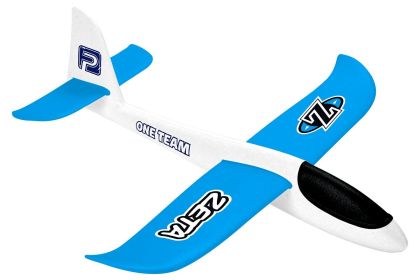
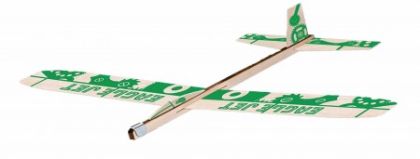
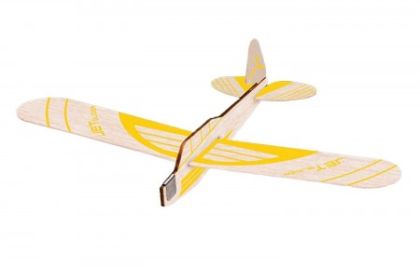
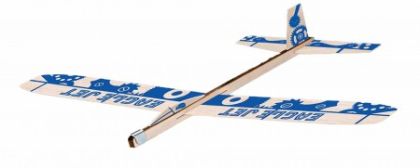
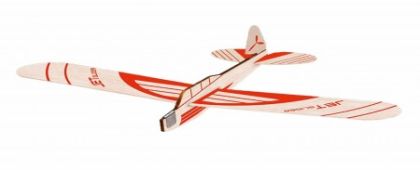
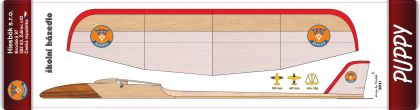
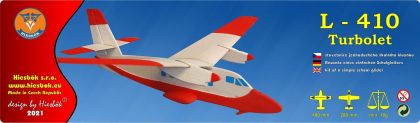
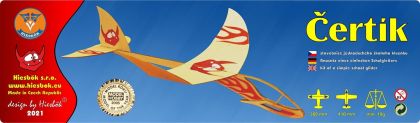
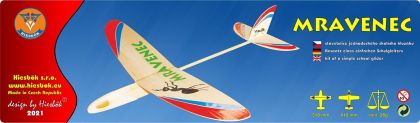
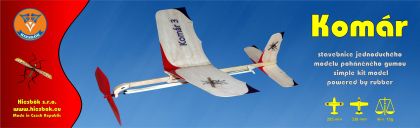
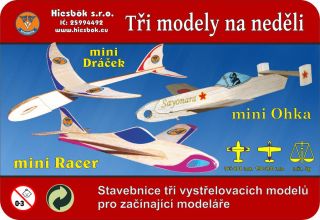
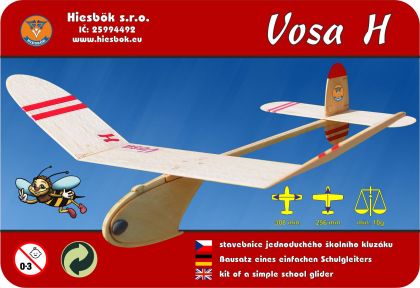
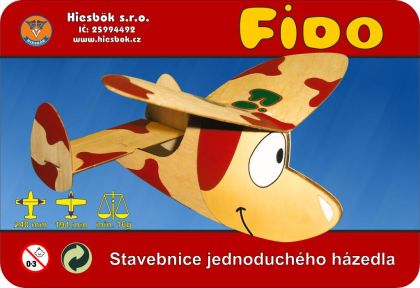
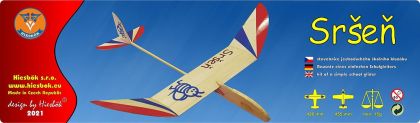
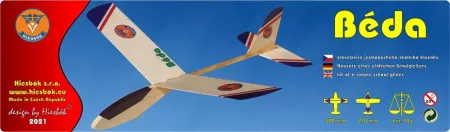
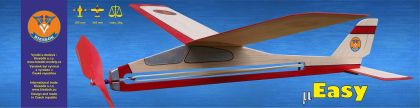
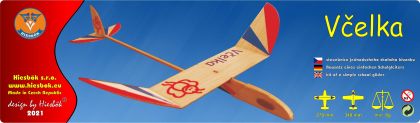
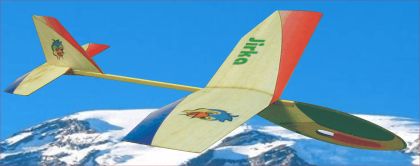
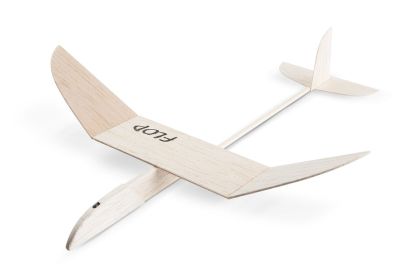
A chuck glider is the shortest distance between a box and a first flight. Built from balsa or light foam in tens of minutes, it needs no electronics whatsoever and flies on wing section and nose balance alone. This part of the section holds classic balsa gliders, small-span foam models, twin packs for flying against a friend, and rubber-powered models whose wound propeller takes them considerably higher than any throw.
Below: why the principle still works, what balsa and foam each ask of the builder, and how much wind is already too much.
The principle has not changed in a century: a light wing, a balanced nose and a decent throw. There is no servo and no receiver, so the length of the flight is decided at the building board. Spans on ordinary gliders run to a few hundred millimetres and weights are measured in grams — which is why every drop of glue counts.
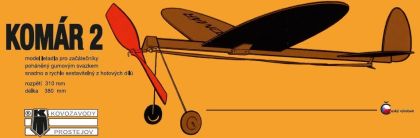
Rubber-powered models add a propeller driven by a wound motor, so after release they climb under their own power before transitioning into a glide.
Foam gliders are tough and essentially finished, so a younger school-age child manages one unsupervised. Balsa models need accurate joints and careful balancing, and in exchange they can genuinely be trimmed: moving nose weight by a millimetre or two changes the character of the flight. A rubber-powered model is a step harder again, because torque and the climbing turn both have to be managed.
Balsa is light and stiff, sands beautifully and takes paint, but it snaps. Light foam absorbs a hard arrival and survives several hundred landings, though it is harder to repair and some adhesives attack it. Building with children outdoors, foam saves a great many tears.
Open ground with no trees and no long grass is half the battle. A football pitch, a mown meadow or an empty car park all work well. Above a few metres per second of wind a light glider is carried away before you notice — on days like that, wait, or take a kite.
Anyone ready for a model whose path can be changed in flight will find more in aircraft; windy days are better served by kites. If the shape of the machine interests you more than the flight, look at aircraft model kits. The rest of the branch is in RC models and chuck gliders.