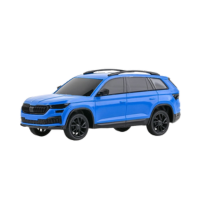
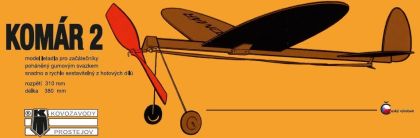
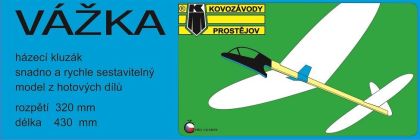
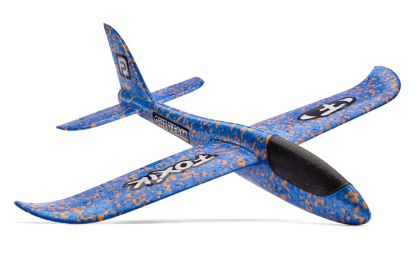
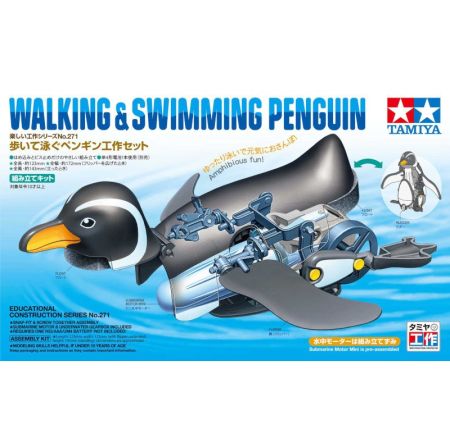
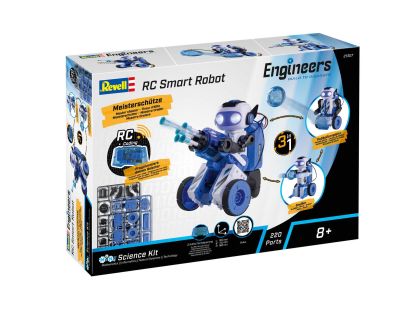
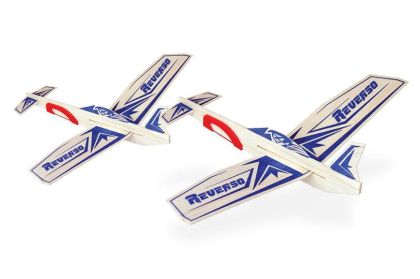
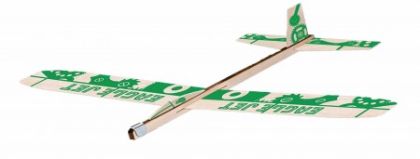
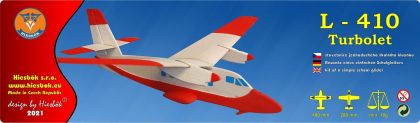
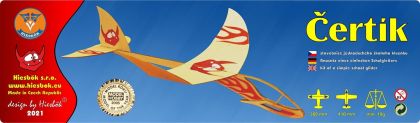
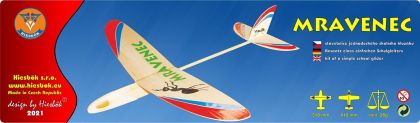
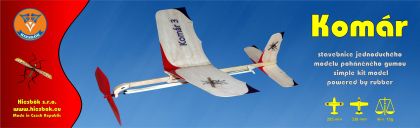
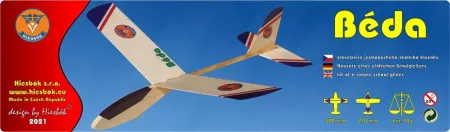
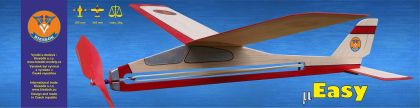
This is the part of the hobby where the finished object drives away, flies off or sails out. It takes in radio-controlled cars, a helicopter and a quadcopter, a running tank and a boat kit, mechanical and walking robots, balsa and foam chuck gliders, rubber-powered models and a flying kite. Unlike anything built for a display case, these machines are made to work outdoors, and that single fact should drive every choice you make about them.
Below: what separates radio control from free flight, how the ground or the air you fly in narrows the field, and what is worth buying at the same time as the model itself.
The first group is radio-controlled models. They have a transmitter, a receiver, a motor and moving parts, so their life expectancy depends more on the pilot's caution than on the quality of the glue.
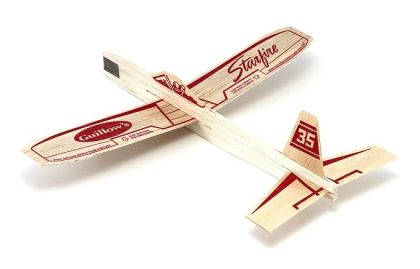
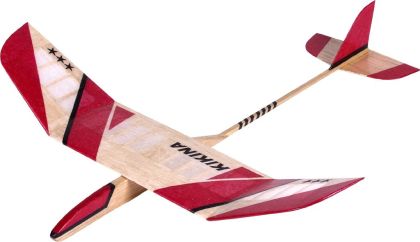
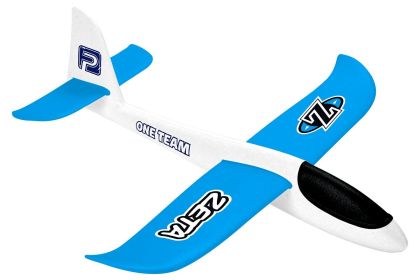
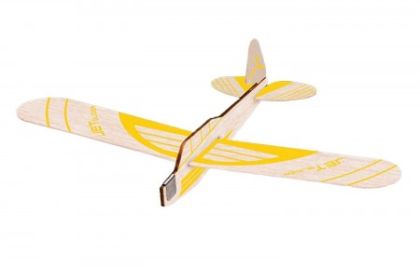
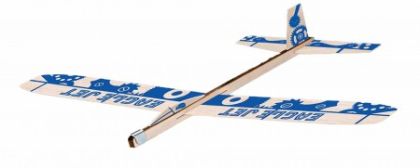
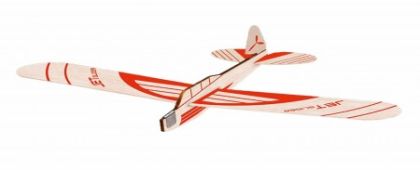
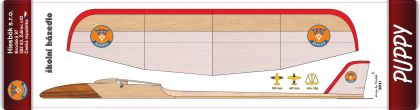
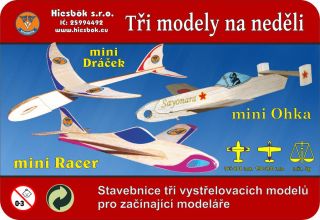
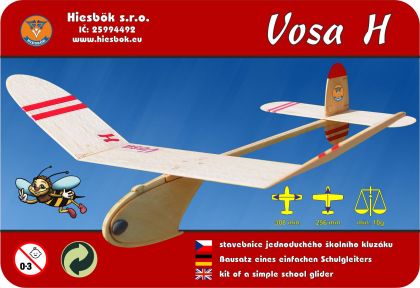
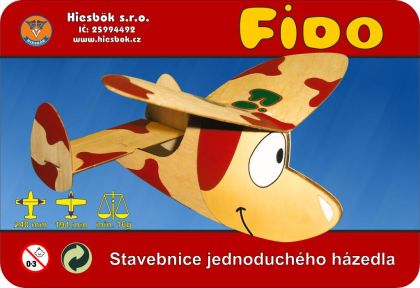
The second is free-flight models: balsa or light foam chuck gliders, rubber-powered models with a wound propeller, and simple sailplanes. These carry no electronics at all and fly purely on balance and wing section.
For a child under about ten, a foam or balsa chuck glider fits: half an hour to assemble, and no disaster if it lands in the nettles. Anyone wanting more after a first success moves on to cars and helicopters, where throttle discipline and a feel for landing start to matter. Wind-up mechanical models entertain adults too, because the gear train is visible at work.
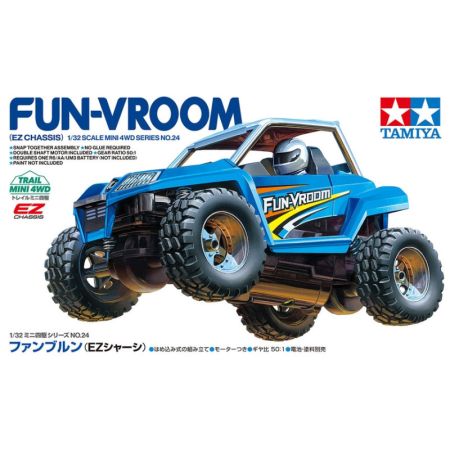
A small quadcopter or a robot fits indoors. Cars want tarmac; a crawler wants rocks and earth. Chuck gliders need open ground clear of trees, a kite an open field and steady wind, a boat a stretch of calm water. A pond thick with reeds is a worse choice than it looks.
Some models arrive finished, others as a kit to be assembled and balanced. Always check whether the box includes the drive, the transmitter and batteries. On free-flight models weight decides everything: a few grams of surplus glue can spoil the whole flight.
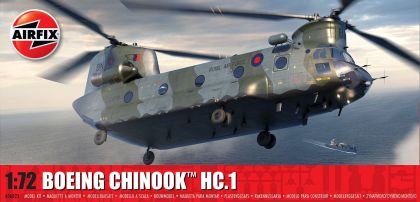
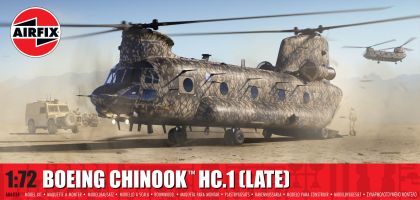
If what you actually want is a model for a cabinet rather than for the air, head for plastic model kits: they do not move, but they offer incomparably more detail.