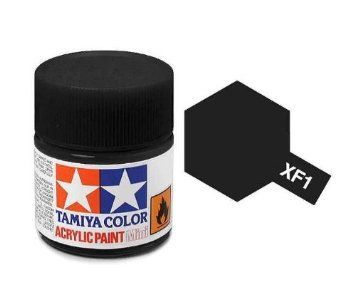
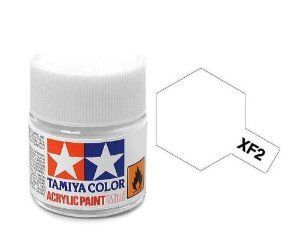
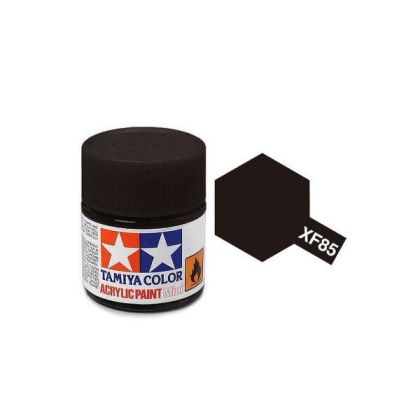
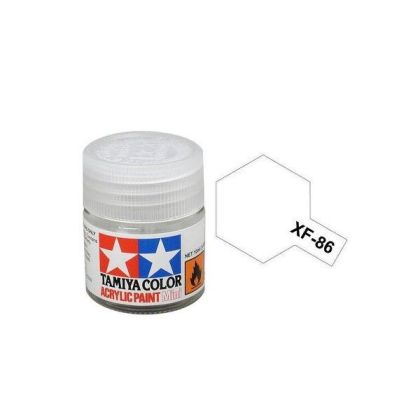
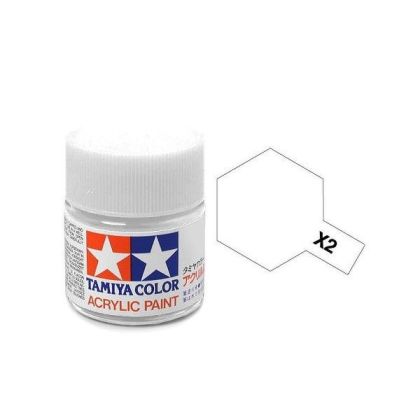
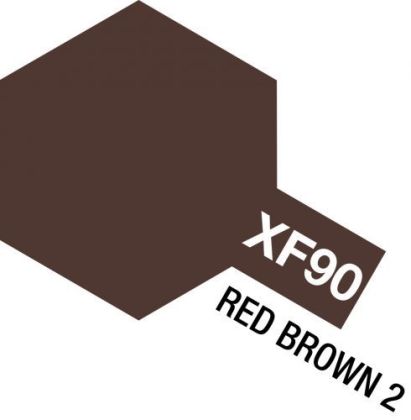
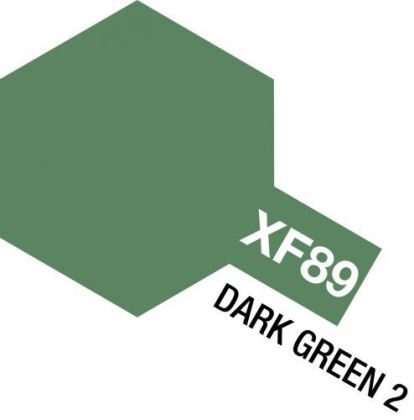
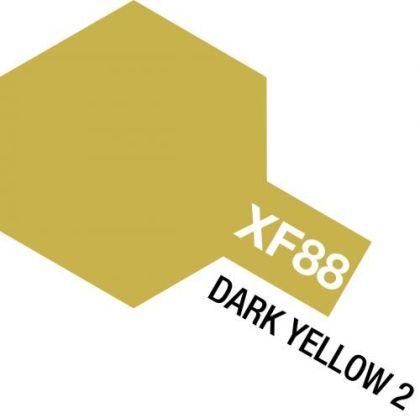
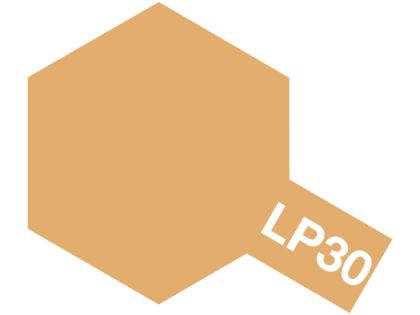
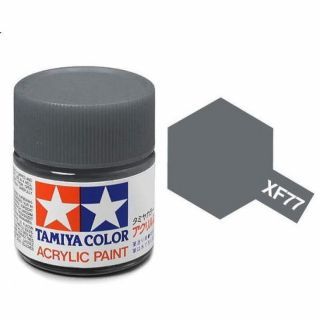
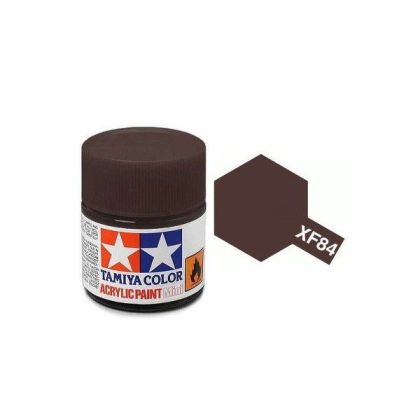
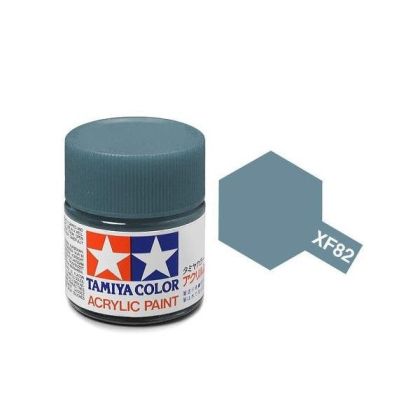
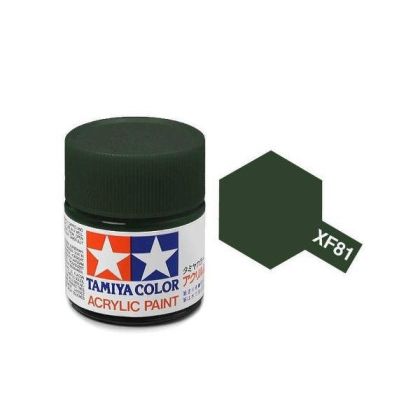
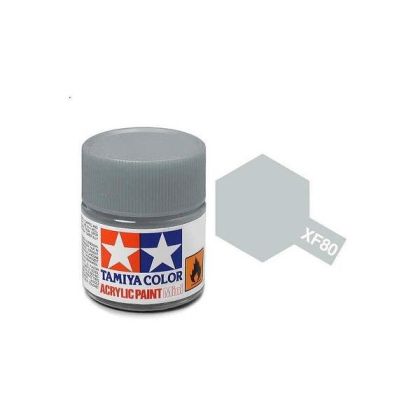
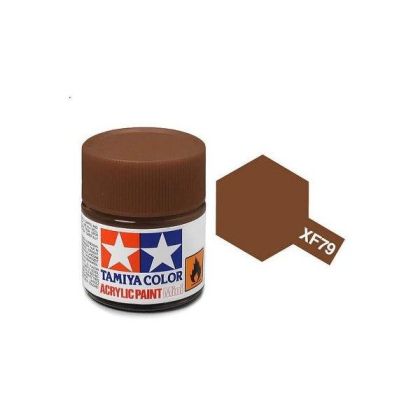
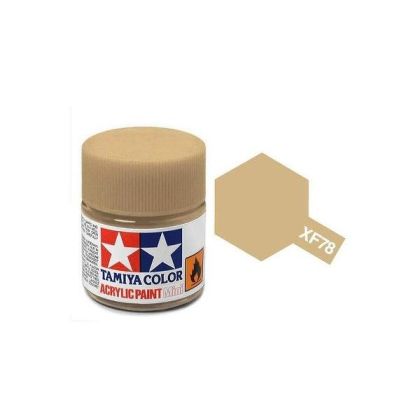
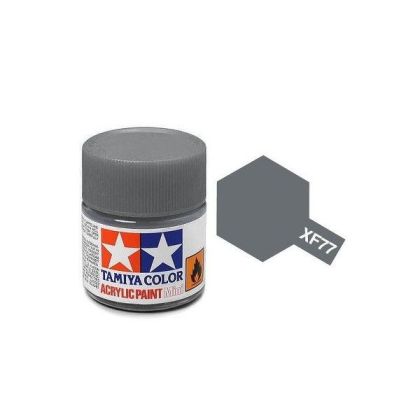
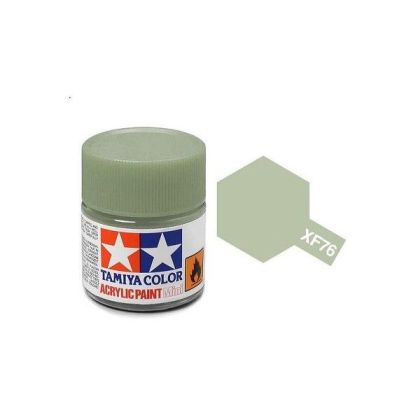
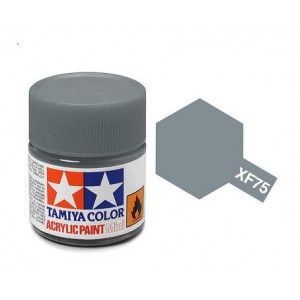
Ten millilitres is a sensible measure: it lasts across several models and does not leave you with a large jar skinned over after one project. The line is divided by sheen, with gloss shades carrying an X prefix and matt ones XF, so kit instructions can be followed without conversion tables.
The range holds opaque tones, clear colours, metallic shades and a rubber black for tyres. The paint takes a brush or an airbrush and thins with its own thinner.
The naming key is simple and makes searching much quicker. Gloss and semi-gloss shades carry the prefix X, matt ones XF. That is exactly how the range is split into gloss shades and matt shades, so there is no need to read the whole list when you already know what sheen you want.
Hand application needs only a small consistency adjustment. For the airbrush, bring the paint down with the matching thinner, which gives a smoother result than water. Spray in light passes and flush the gun as soon as you stop; the equipment is in the airbrush section.
Acrylic dries fast, so cover larger areas with two thin coats instead of one heavy one. A brush with springy synthetic hair helps, as does working on a wet palette where the paint stays workable longer. The hair types are in the modelling brushes category.
Ten millilitres is right for shades you only need occasionally. For the base colours you get through fastest, the 23 ml jars from the same brand work out better.
The range covers civilian and military subjects alike and is often a first choice for a builder starting out. The complete map of paint types by binder is in the model paints category.