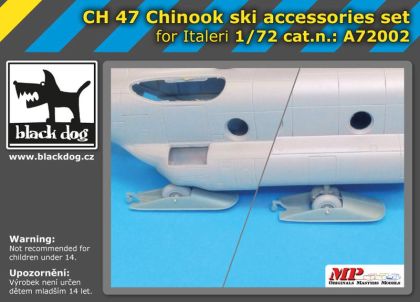
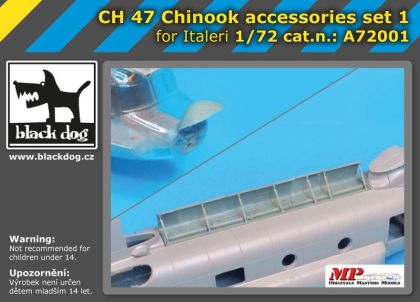
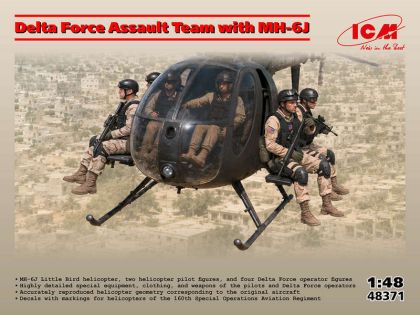
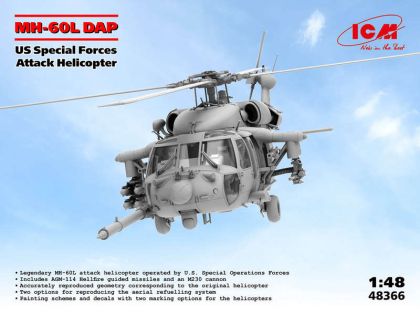
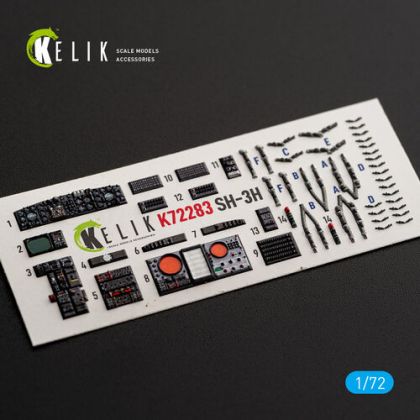
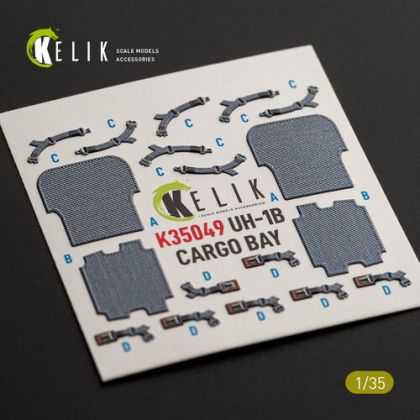
Helicopter model kits sit in a corner of the hobby all of their own: a rotor head, a greenhouse canopy and spindly undercarriage legs make for a build that keeps a first-timer busy and still rewards a competition modeller. This section gathers military and civil machines — light observation types, the AH-64 Apache, naval Sea Kings, heavy transports such as the Chinook — in scales from 1:32 down to 1:700. Below you will find how the scales differ in practice, how to match a subject to your experience, and which extras genuinely save time on a rotary-wing build.
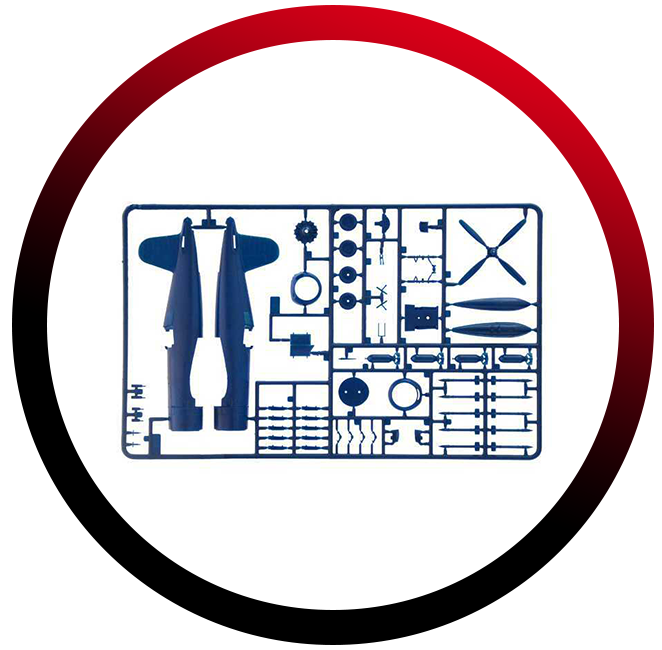
These are injection-moulded plastic kits: you glue, fill, sand and paint them to match a real machine. Compared with fixed-wing subjects the balance of work shifts — far more glazing to mask, thin rotor blades that drown under heavy paint, and cargo bays that are often moulded open. Fixed-wing subjects live in aircraft model kits; everything here turns on a rotor.
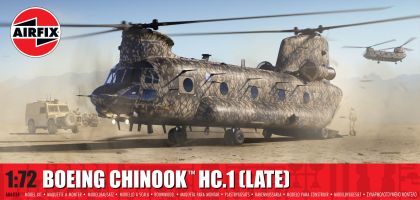
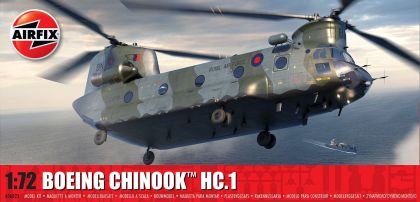
1:72 helicopter kits carry the widest subject choice and a whole squadron fits one shelf. 1:48 opens up cockpit and weapons-pylon detail. 1:35 shares its scale with armour and figures, which makes it the diorama scale. 1:32 gives you one display centrepiece instead of a filled shelf. At the small end there is 1:144 for cabinet rows and 1:350 for the flight decks of ship models.
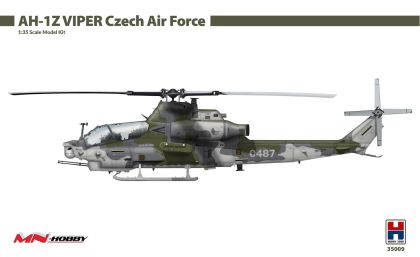
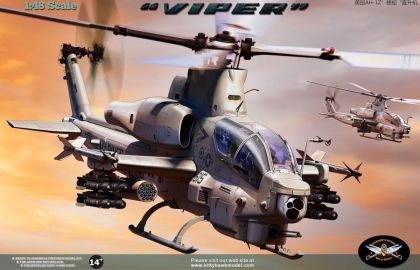
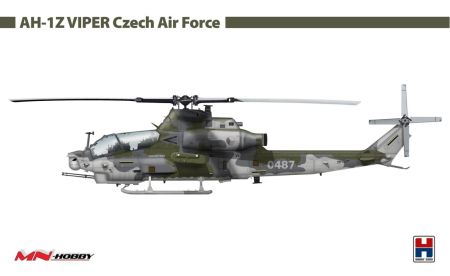
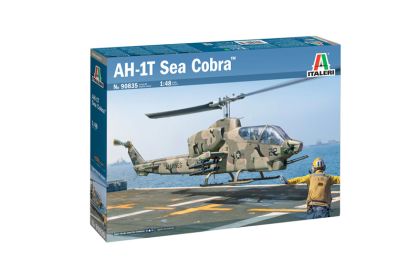
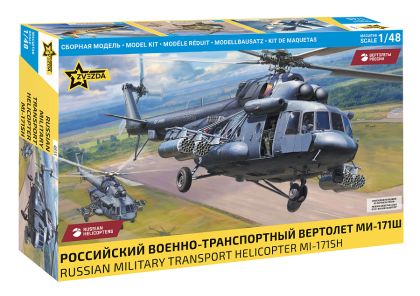
Simple civil or rescue machines such as the EC135 have fewer parts and a logical build sequence. Gunships like the AH-1 Cobra, or the AH-1Z Viper in Czech Air Force colours, ask for patience with armament and pylons; heavy transports with fully fitted cargo bays are a project rather than a weekend.
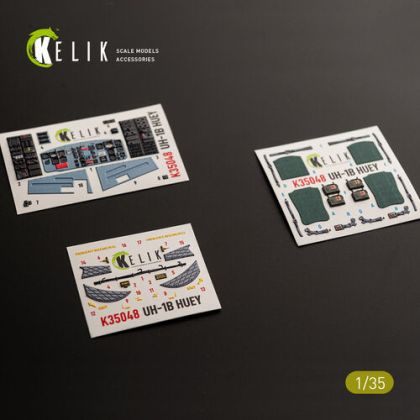
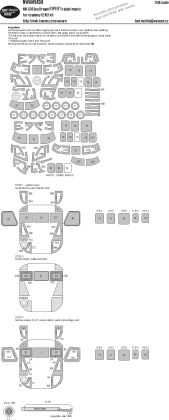
Spray rotor blades in thin coats — one heavy pass fills the lightening grooves and softens the trailing edge. Canopy framing is the other trap: pre-cut masks follow the glazing exactly and save an evening of fiddling with tape.
Starting from nothing? Starter sets with paints bundle the basics, so only the kit itself is left to pick.