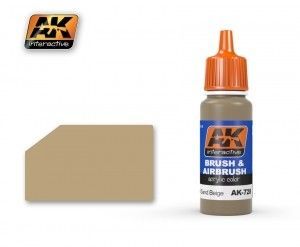
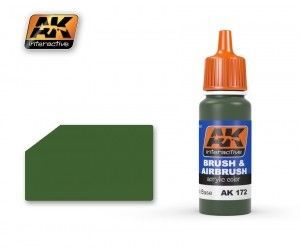
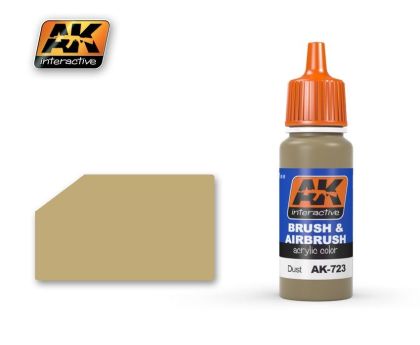
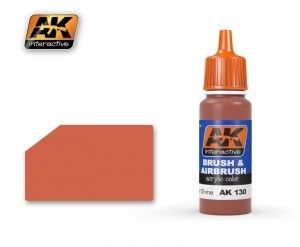
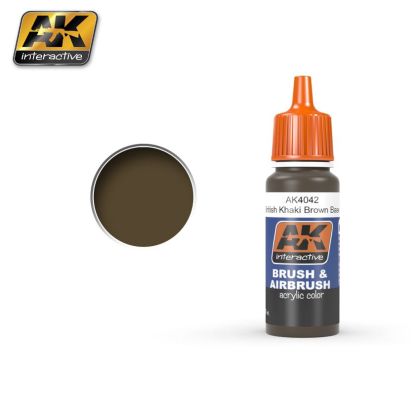
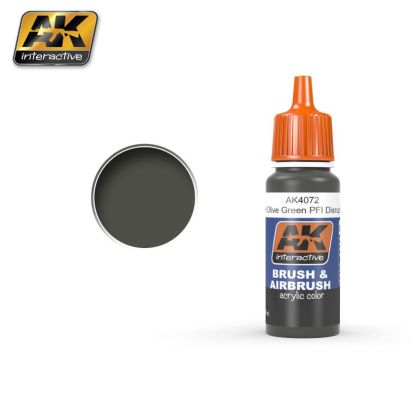
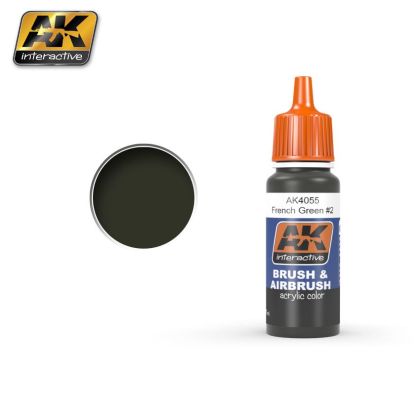
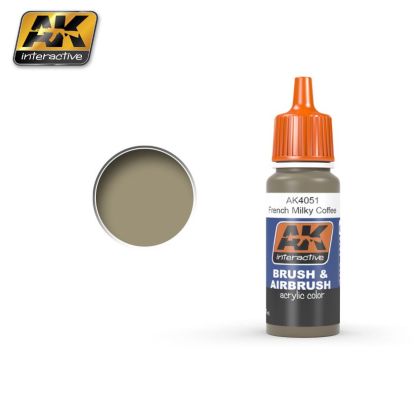
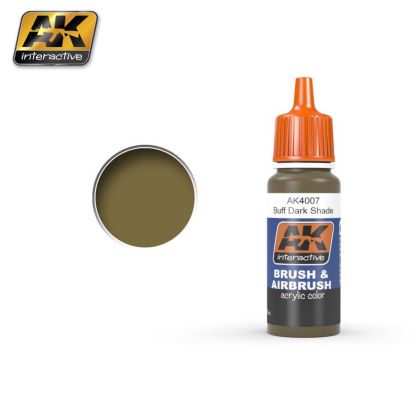
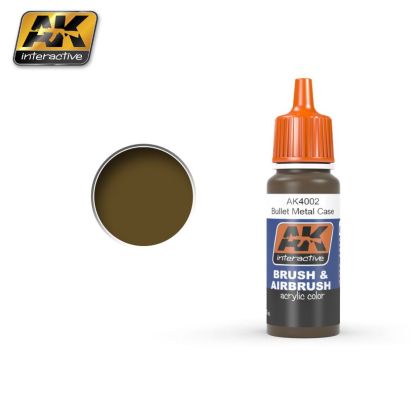
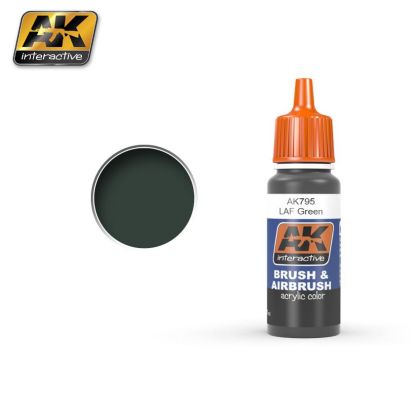
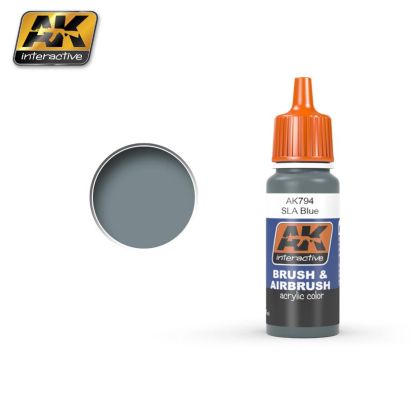
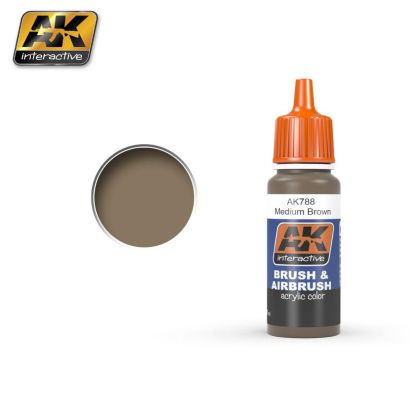
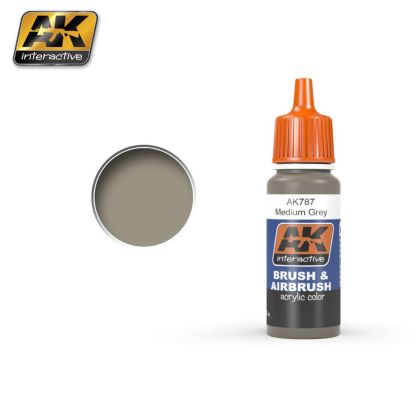
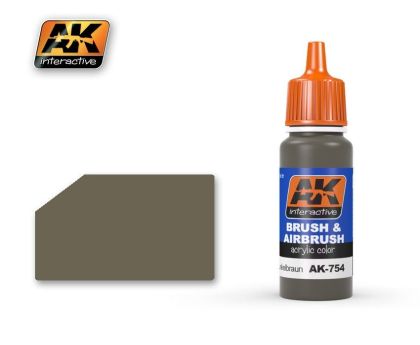
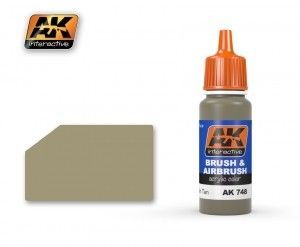
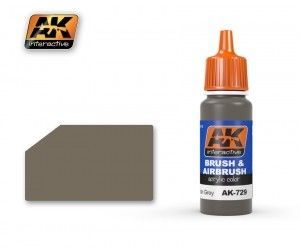
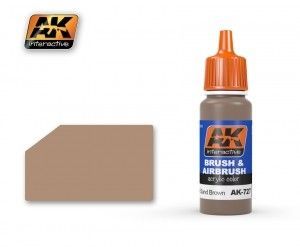
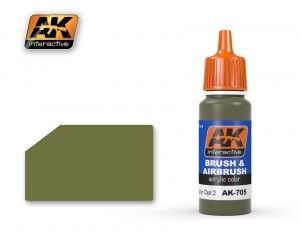
This palette is built so you do not have to choose between a brush and a nozzle. The consistency is a deliberate compromise: it takes hand application as supplied, and sprays after light thinning. The shades lean towards ground subjects — German tones referenced to RAL, Soviet protective greens, British khakis, French greens and desert sands.
For anyone who sprays the hull and then picks out stowage, tools and fittings by hand, that saves keeping two bottles of nominally the same colour and hoping they match. The sections below cover how to handle each technique and why a flat base shade needs lifting on large panels.
Most modellers use both on a single model: large surfaces through the gun, then stowage, pioneer tools and small fittings by hand. Keeping two different bottles of the same nominal shade for that is wasteful, and the two rarely match exactly once they are side by side on a hull. This range settles both with one colour.
Apply as supplied, softening it on the palette with a drop of water or thinner. Two thin coats finish more evenly than one heavy one. Sizes and hair types are in brushes.
For spraying, bring the paint down towards the consistency of milk with the matching thinner and work at lower pressure. The equipment is in airbrush equipment.
The codes in the names point to the specifications vehicles were actually finished to. Real paint varied by manufacturer and by wear, so lift the base tone slightly in the centre of large panels — a uniformly flat hull reads as plastic regardless of how accurate the shade is.
The main target is military vehicle kits, though part of the RAL-referenced palette also serves car model kits, particularly commercial and military-pattern vehicles. Build the palette around what you model rather than around completing the range.