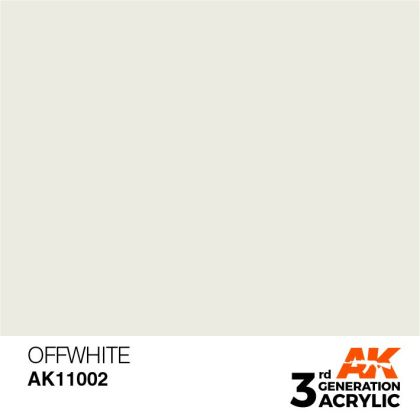
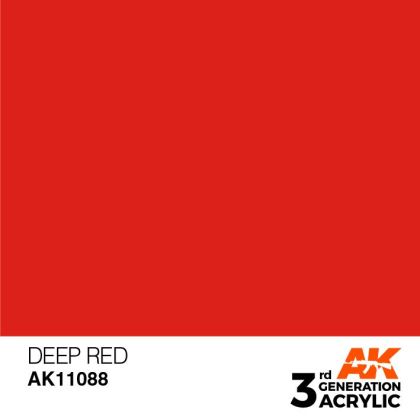
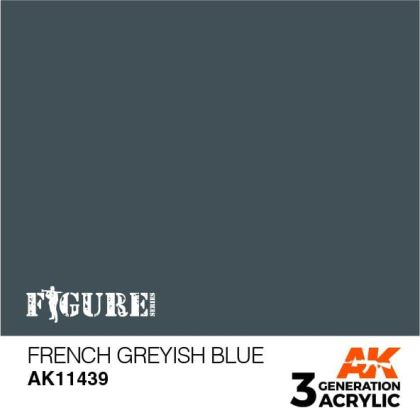
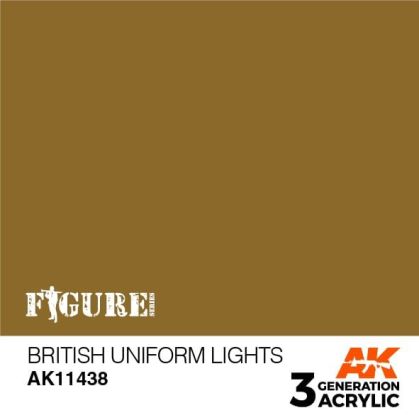
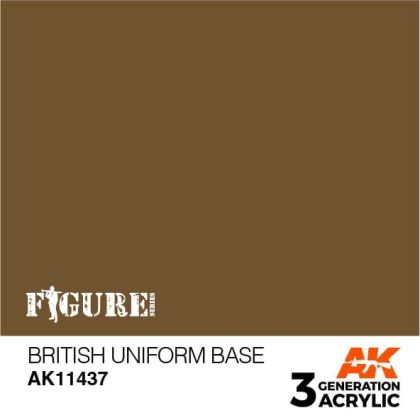
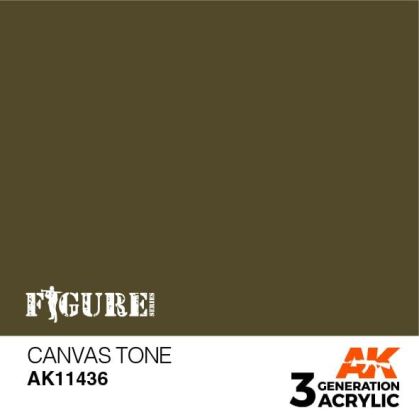
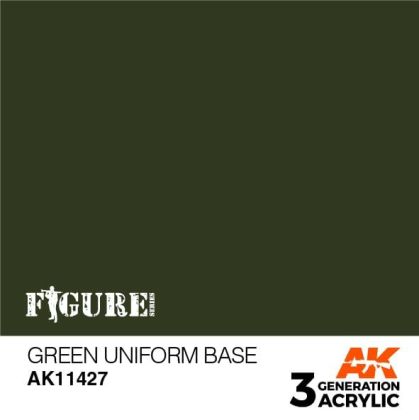
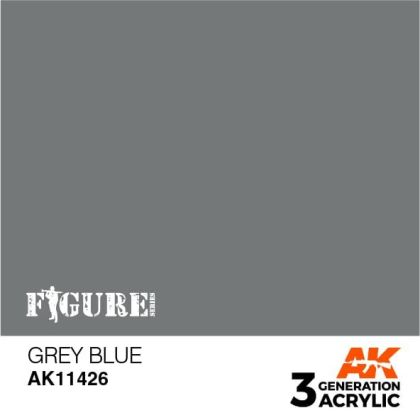
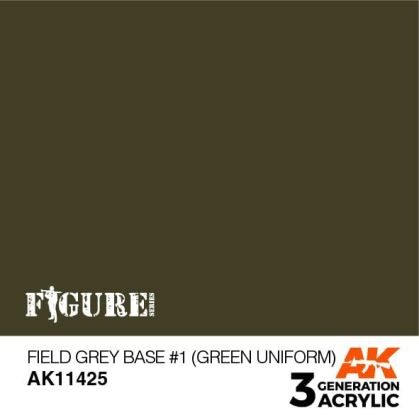
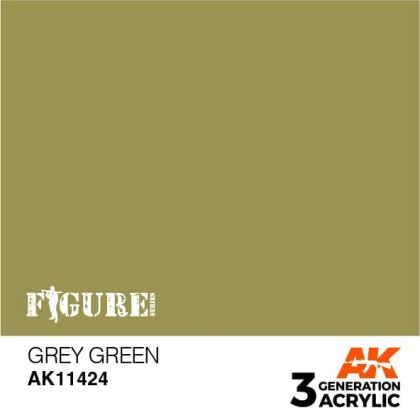
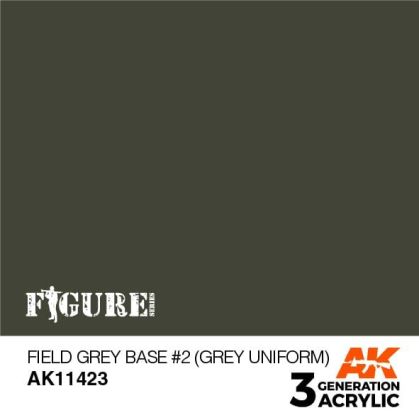
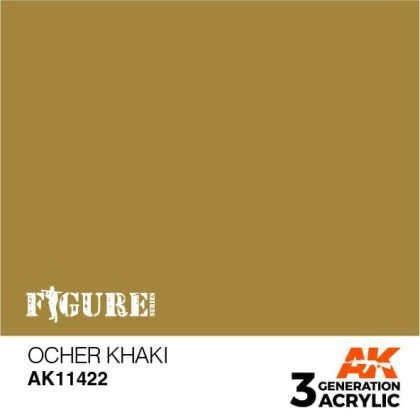
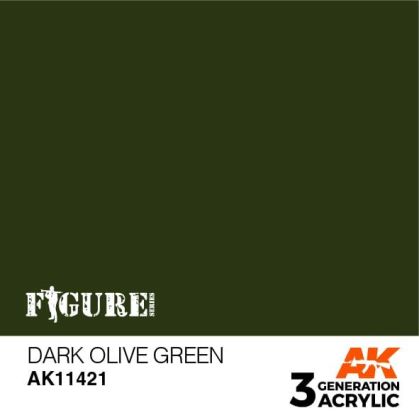
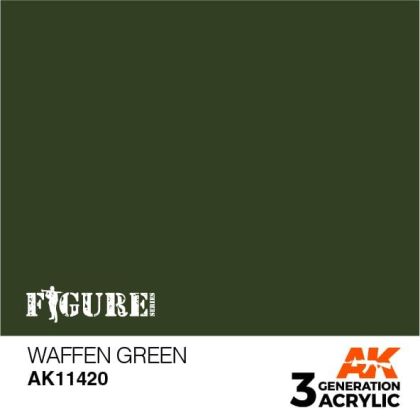
This range is built around a single job: painting a uniform so the cloth reads as cloth. The palette therefore supplies a base tone for a specific uniform together with the lighter variant meant for the raised folds, and does so for a long list of armies. The paint is thick and heavily pigmented, so it covers without running off the fine relief of a casting.
Highlighting stops being a mixing problem and becomes a question of sequence. That sounds like a small change until you paint five figures for the same diorama and need all five to match. The notes below cover the order of coats, palette discipline and what the range deliberately leaves to other lines.
Mix the lighter tone by hand and it comes out slightly different on every figure. On one casting nobody notices; across a group in a diorama the inconsistency is the first thing the eye finds. A ready-made base and highlight pair removes that, and it removes the search for the right ratio at the start of every session.
It also makes a project survivable across weeks. Come back to a half-finished group after a fortnight and the pair of bottles still gives you the same two tones, where a note of a hand-mixed ratio would have to be trusted and re-tested on an offcut first.
Lay the base uniform tone, push a darker shade into the folds and bring the lighter variant onto the raised cloth, blending with slightly thinned paint across several thin coats. A hard line between two tones looks drawn on; a soft transition looks like fabric.
Thick acrylic skins over on a dry palette within minutes, which leaves no time to blend. A wet palette from bottles, pipettes and palettes keeps it workable long enough to finish the transition.
Thick paint wants springy hair that holds a point; sizes are in brushes. Adjust consistency with water or the matching thinner, always on the palette and never in the bottle.
The target subject is model figures and busts. The maker's remaining specialist palettes are gathered under AK Interactive model paints.