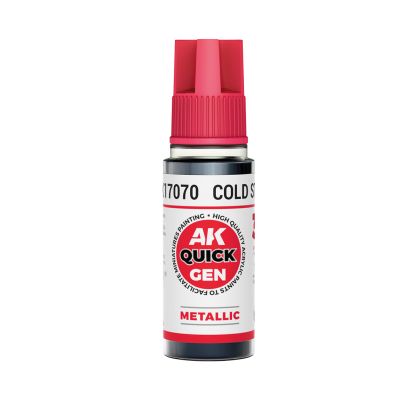
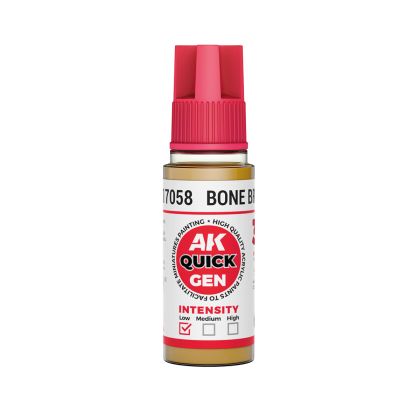
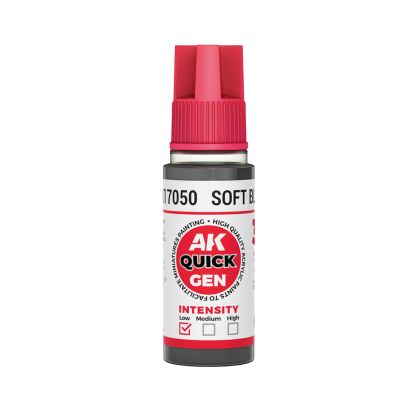
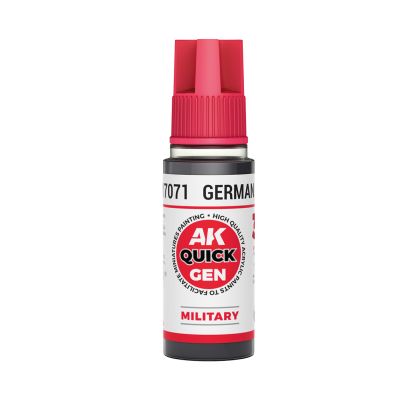
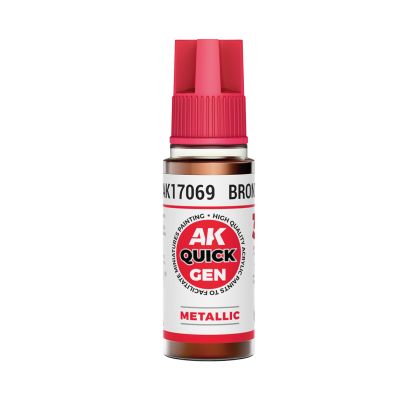
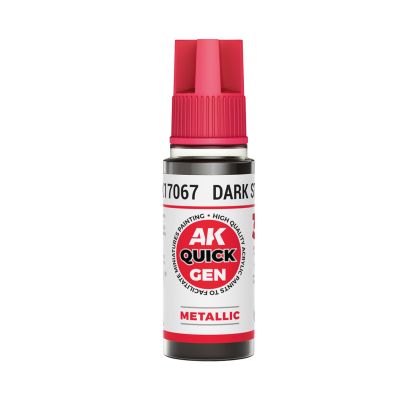
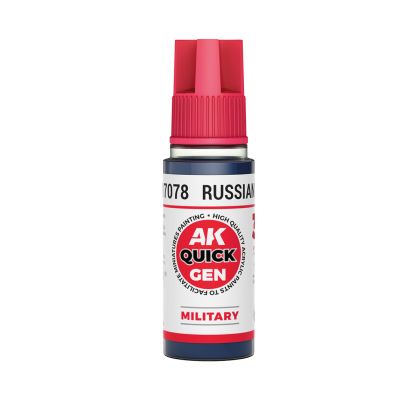
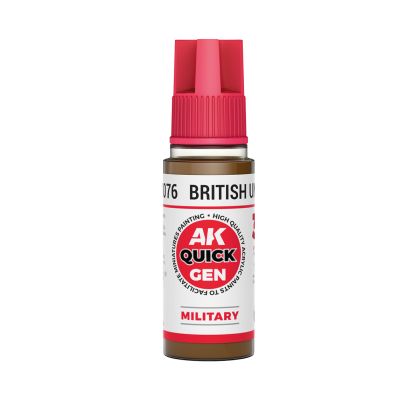
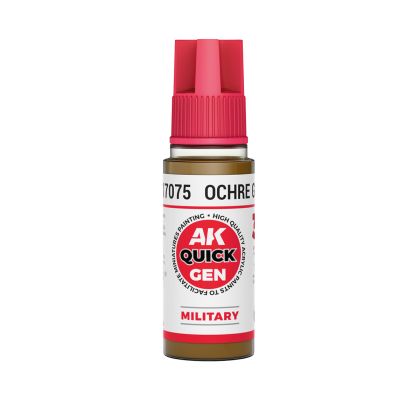
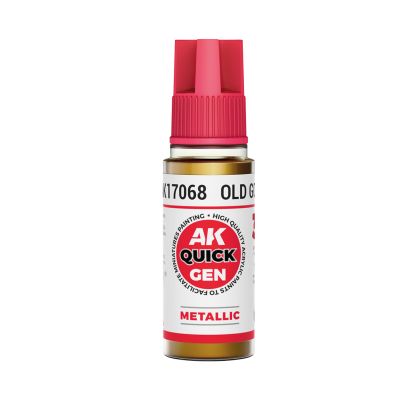
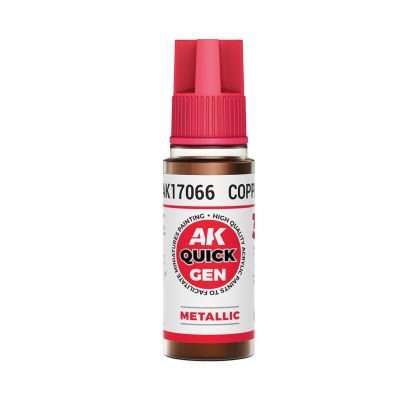
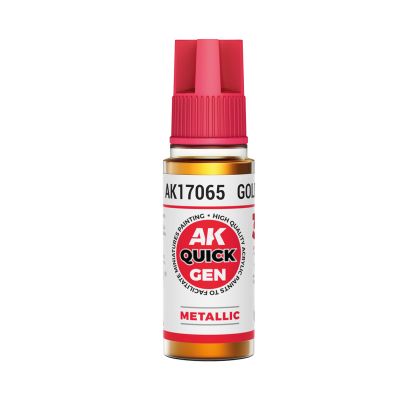
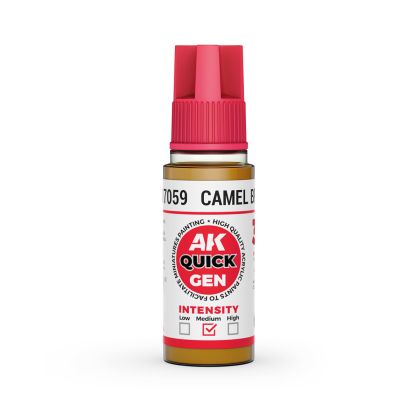
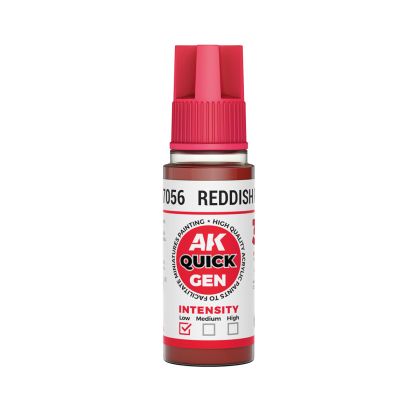
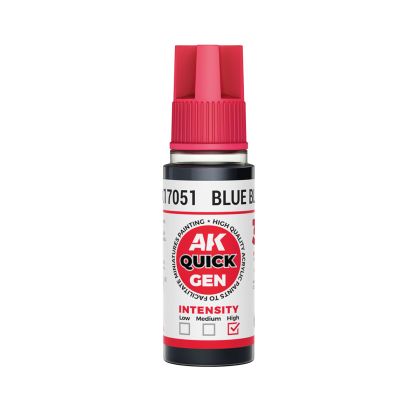
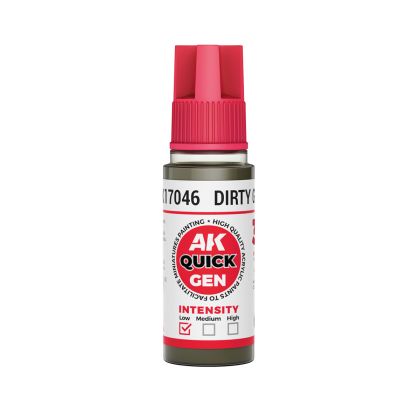
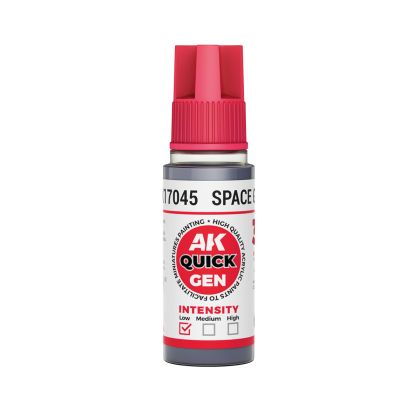
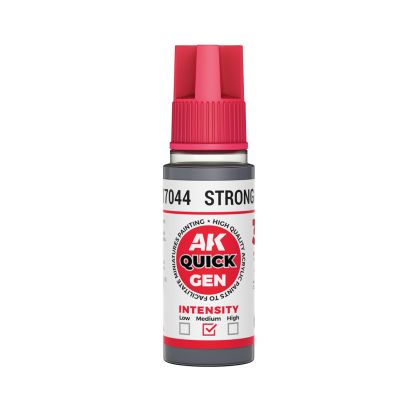
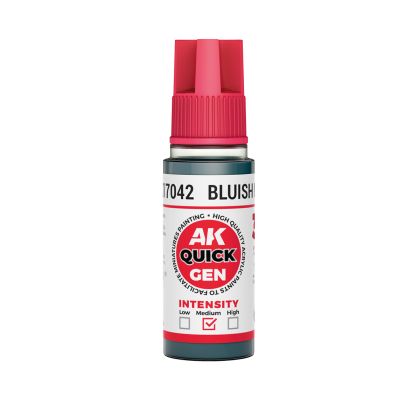
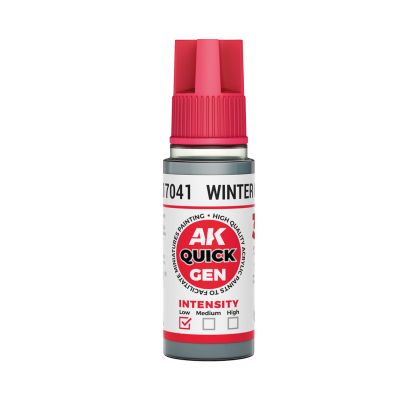
Quick Gen Color is built on a single idea: a finished result from the fewest possible coats. The paints cover and settle in a way that handles base colour and modelling at the same time, provided the base underneath is right. The selection takes in military tones — German grey, Russian blue, British uniform and an ochre green — along with flesh shades and a whole group of metals from gold and bronze to cold and dark steel.
That makes it a range for volume work rather than for a single showpiece, although the metals earn their place on any armour build. The sequence, and the one habit that ruins it, are below.
With ten figures or a whole unit on the bench, the classic base-shadow-highlight routine is several evenings of work. These paints shorten it by settling unevenly on purpose: darker in the folds, lighter on the edges. You get finished volume from one pass.
The range is also of interest to vehicle builders, because alongside the uniform tones it holds metals for barrels, tracks, tools and worn edges, where precise modelling adds nothing and a fast, convincing impression is the point. On a fitting two millimetres across, the quick route is often the more faithful one.
Because the paint does not cover completely, the primer shows through. Over a light base the shade comes out fresh, over grey more earthy, over black it darkens and loses saturation. Choose one in surfacers and primers and stick to a single type so a whole unit matches.
Flood the surface in one go and let it dry untouched. Corrective strokes into a half-set film leave dark scars that can only be removed by repainting the whole area.
The metal shades in this range also take dry-brushing, which puts wear on edges in a matter of seconds. Stiff brushes from special brushes are the tool for that.
For a conventional opaque palette with shades from historical tables, continue to AK Interactive model paints.