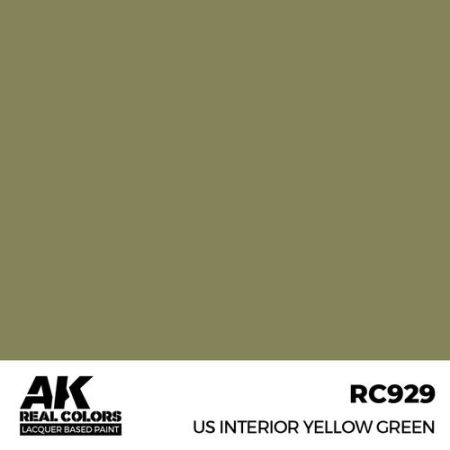
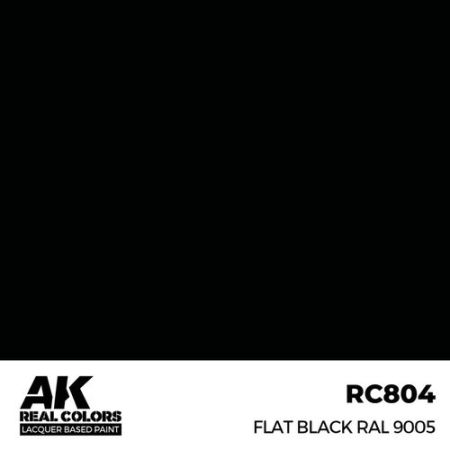
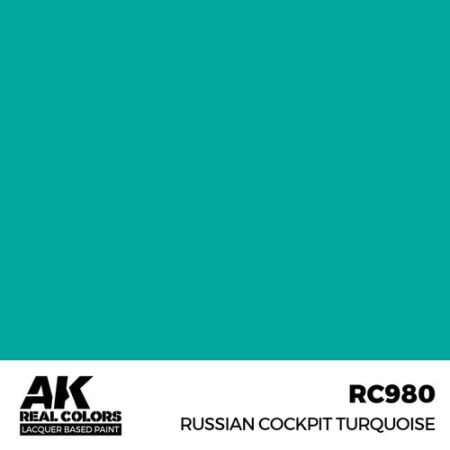
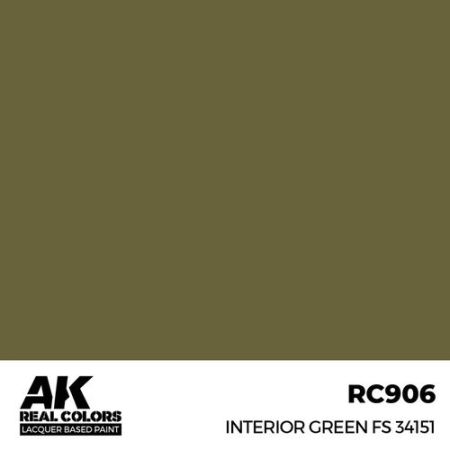
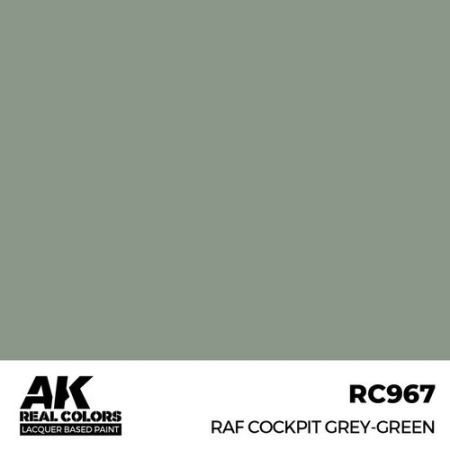
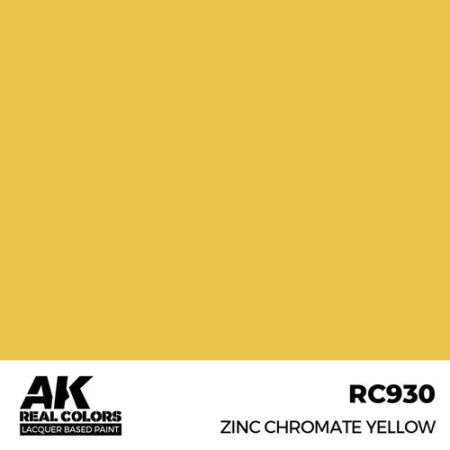
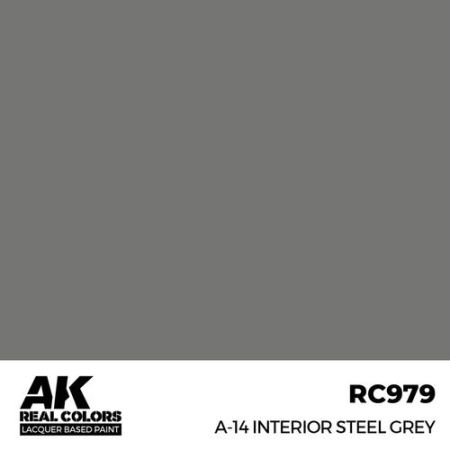
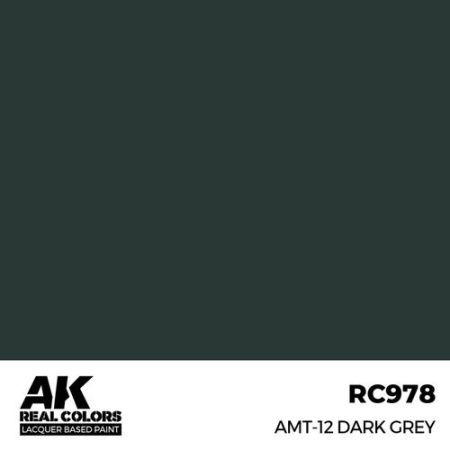
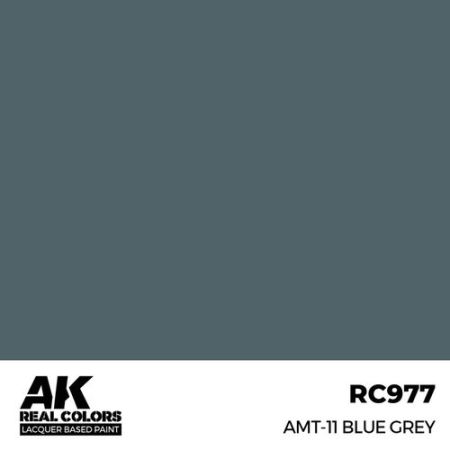
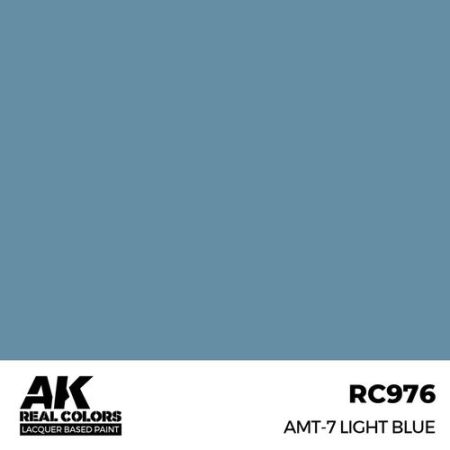
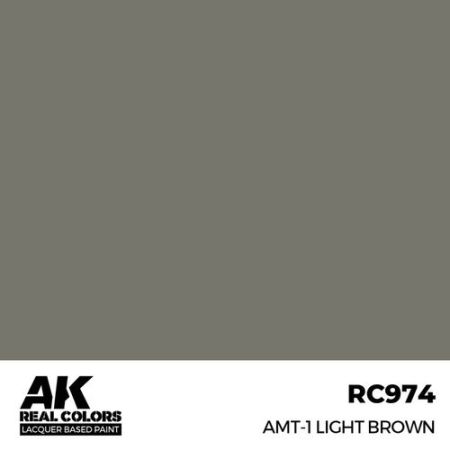
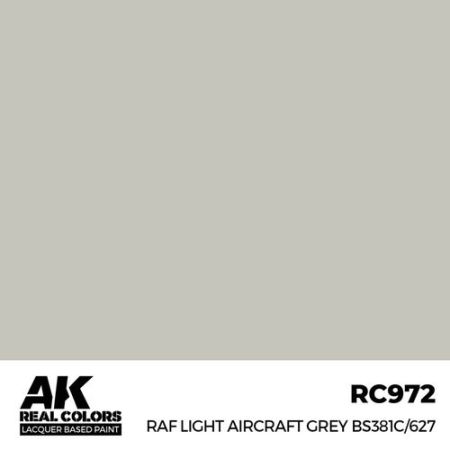
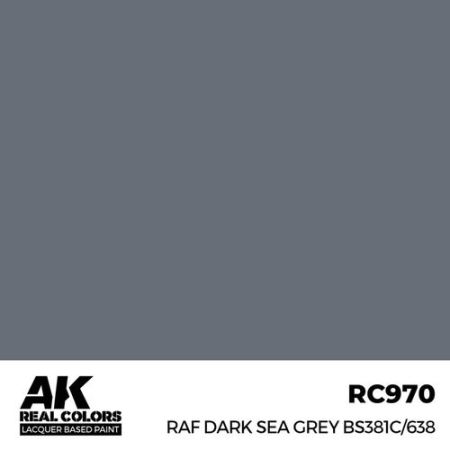
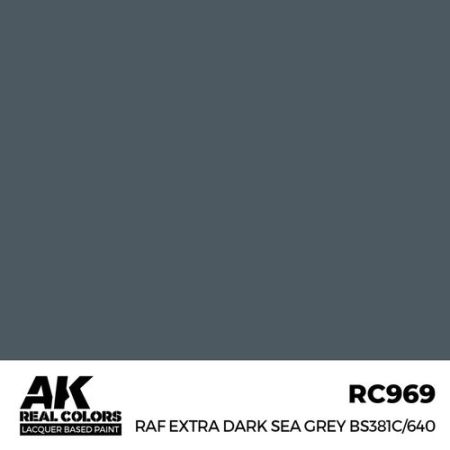
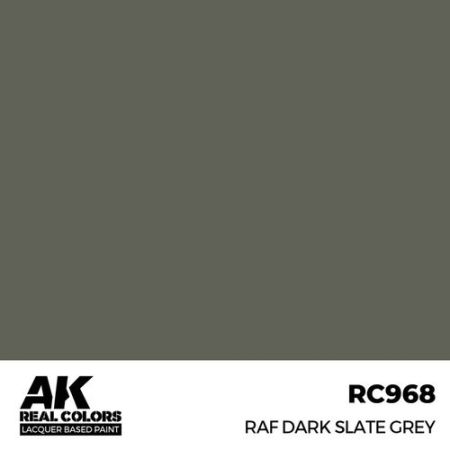
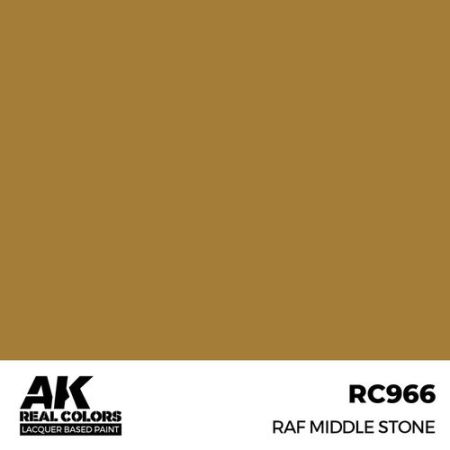
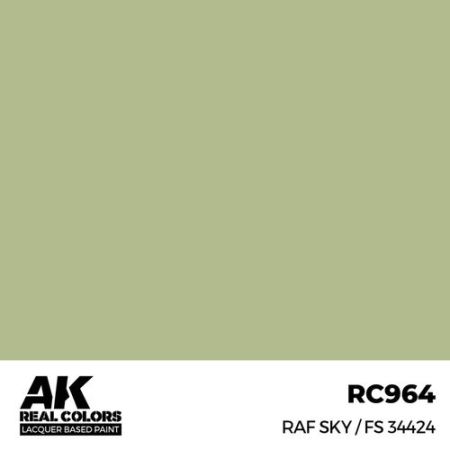
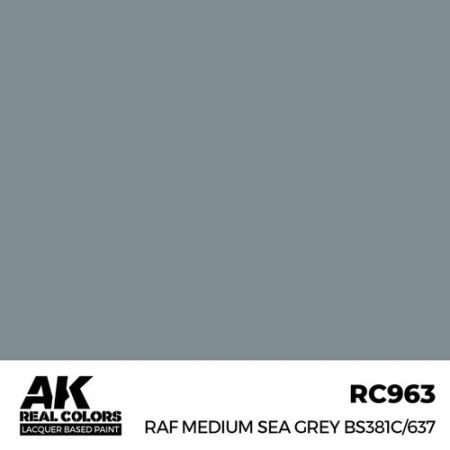
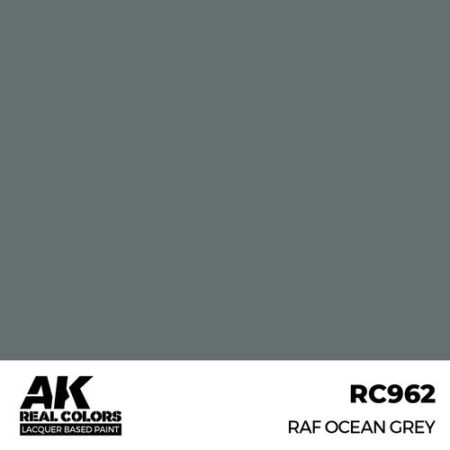
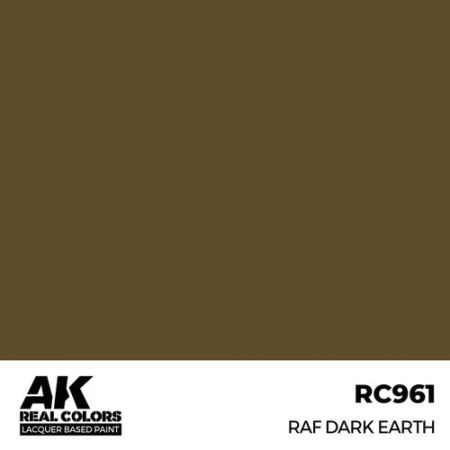
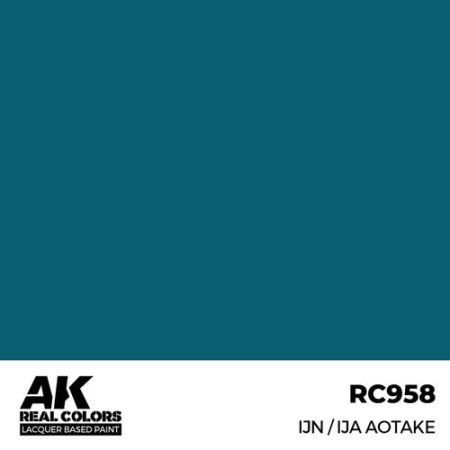
Real Colors is the palette for modellers who build from documentation. Shades carry standard codes or a precise statement of who used them, running from cockpit and structural interior tones through national camouflage colours to post-war greys. The 17 ml bottle covers an ordinary model with something in reserve.
If you would rather not estimate a shade from a period photograph — and film stock distorts colour more than most of us admit — this is a sensible starting point. The notes below cover interior work, spraying large camouflage areas and how far one bottle actually goes.
Period photographs are an awkward source. Film stock shifts colour, paint aged in service and lighting finishes the job. Working from the specification a machine was actually sprayed to avoids all of that, and the code on the label is what makes it possible. Treat it as a starting point rather than the final word: finishes varied by manufacturer and by batch, sometimes visibly.
Interior shades go on first, before the fuselage halves close. Darken them slightly in the corners and lift them on raised structure, because a sealed interior otherwise reads as a flat grey box through the canopy.
On large areas, bring the paint down with the matching thinner and spray in thin passes; the equipment is in airbrush equipment. Working from a darker base up towards lighter tones builds depth that survives weathering instead of being buried by it.
Seventeen millilitres covers a small-scale model and several projects after it if you thin as you go. On large scales and on ships, budget considerably more of the base shade than instinct suggests.
The main subjects are aircraft model kits and helicopter model kits. The maker's full catalogue and its remaining lines sit under AK Interactive model paints.