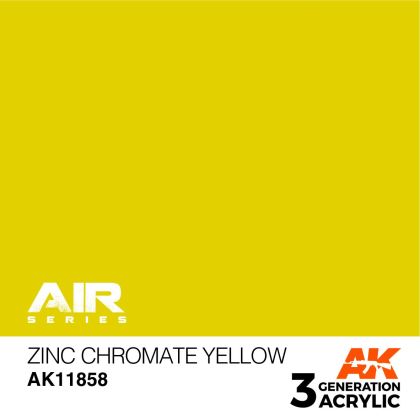
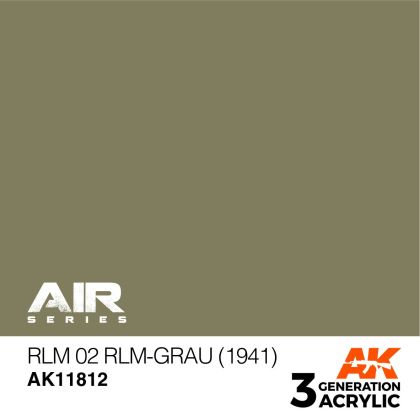
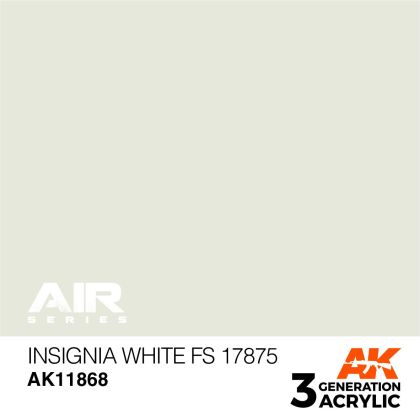
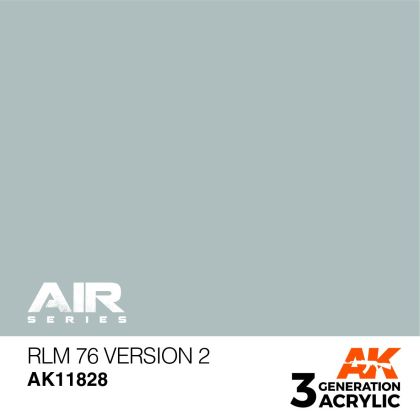
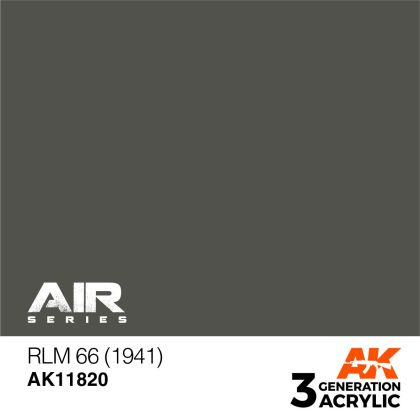
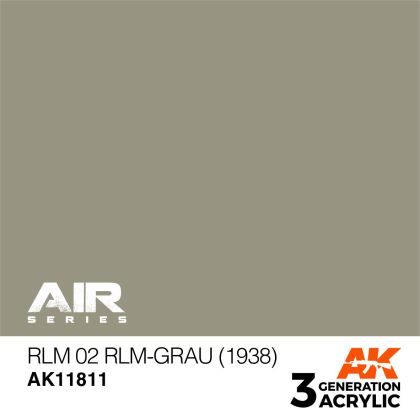
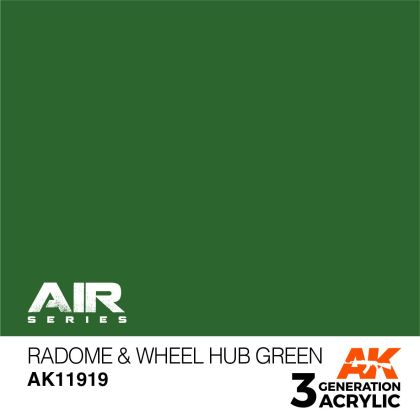
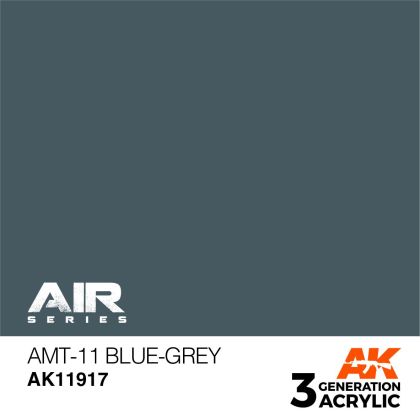
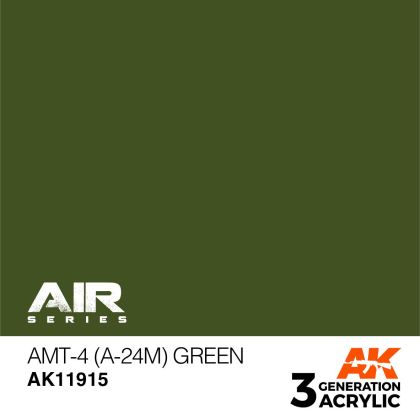
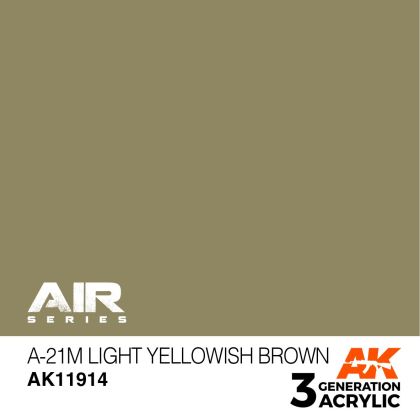
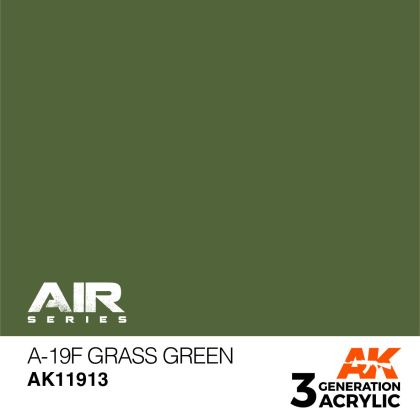
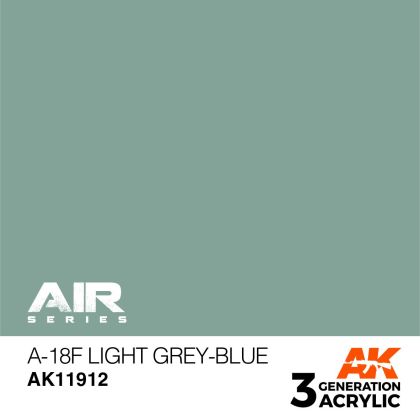
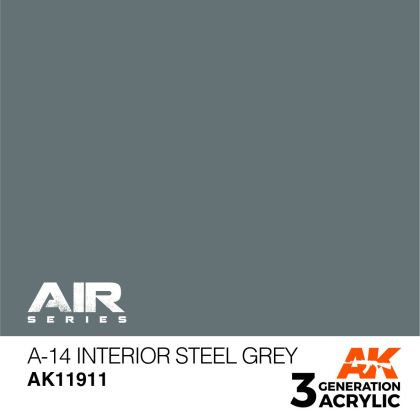
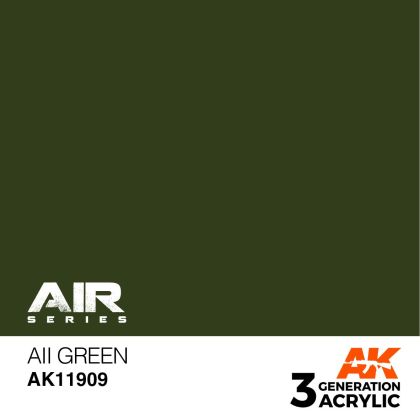
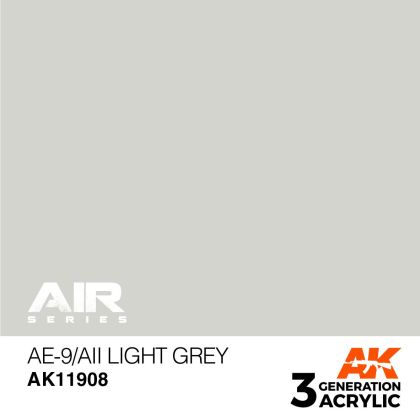
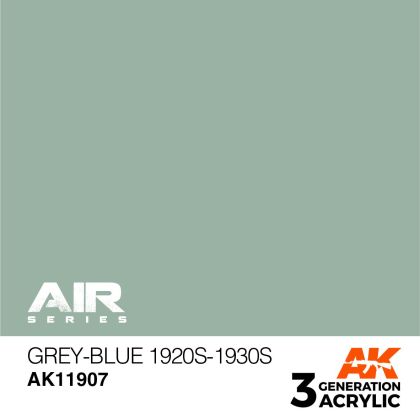
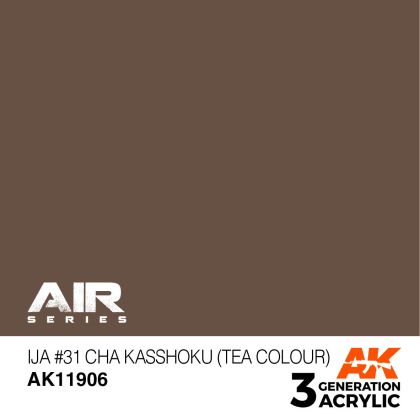
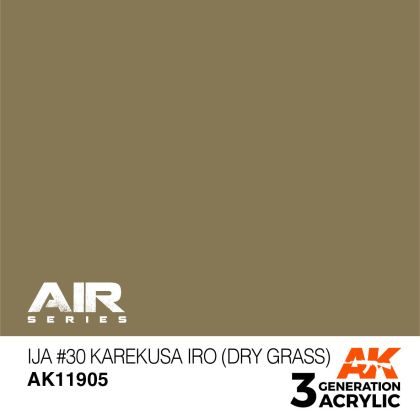
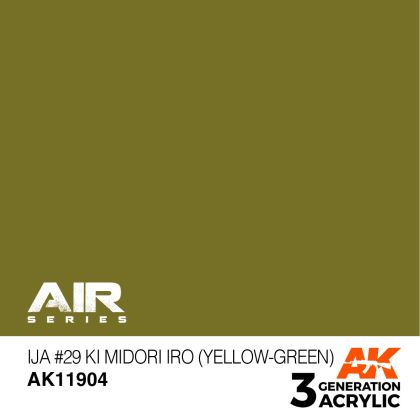
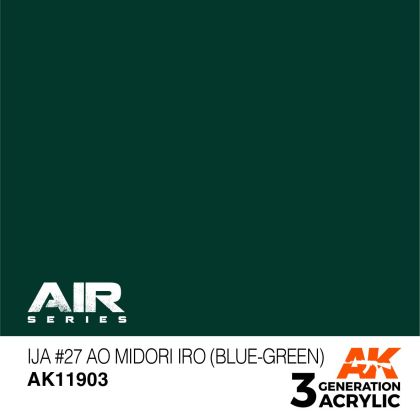
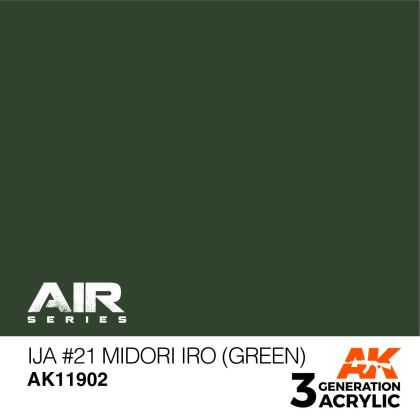
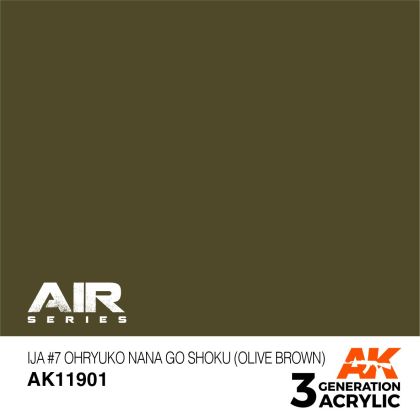
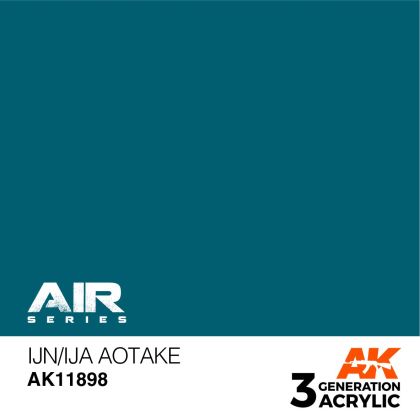
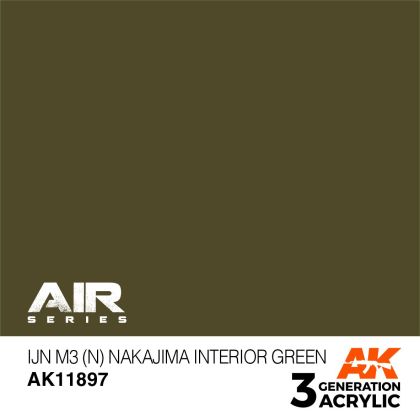
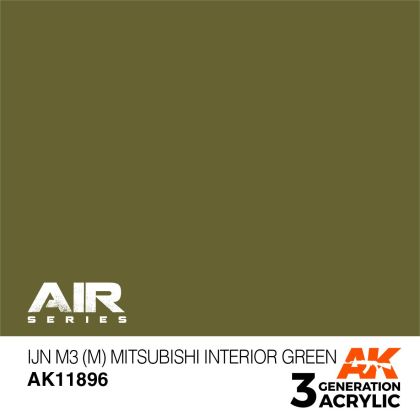
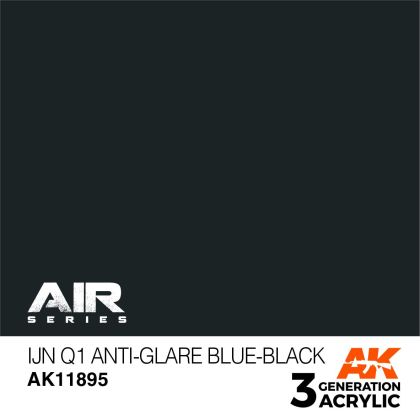
Air Series is the version for modellers who do most of their painting with a gun. The shades follow the same documented specifications as the maker's standard palette, but they are mixed at a consistency intended to go straight through a nozzle. That removes the guesswork over paint and thinner, which with acrylics decides whether the nozzle clogs or the paint runs.
The palette covers aircraft interiors and exterior camouflage, including historical national shades. Below: pressure and distance, how to get both soft fades and crisp edges out of the same bottle, and why acrylic punishes a rushed clean-up more than a lacquer does.
Not in the shade — in the body. The paint is thinned to pass through a nozzle without further adjustment while keeping enough pigment for reasonable coverage. That makes it less suited to handwork, where it runs off the brush and covers weakly. If you do both, it is worth keeping some of each.
Choose lower pressure and more thin passes. Spray from too far and the paint dries on the way, leaving a gritty surface; spray from too close and it pools. Pick the tool in airbrush guns and the bench setup in airbrush equipment.
For misty camouflage transitions spray freehand with no mask. For a crisp boundary, tape only onto a cured coat — water-based acrylic needs longer before it will survive tape than a lacquer.
Acrylic dries fast, including on the needle. Flush during longer pauses and strip the gun afterwards; the products are among the thinners and cleaners.
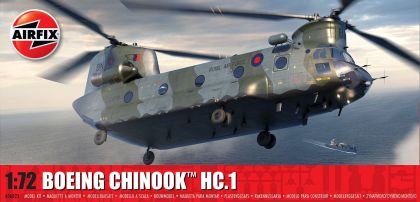
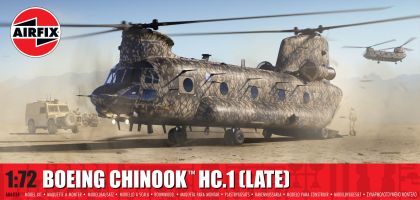
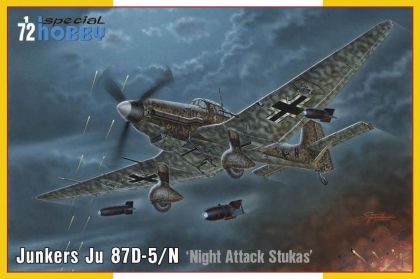
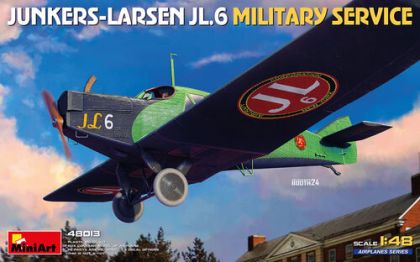
Aircraft shades point to aircraft model kits, and the camouflage tones also serve military vehicle kits, where the two palettes overlap more than the catalogue structure suggests. Several national shades were specified for aircraft and vehicles alike, so build across both if you model both.