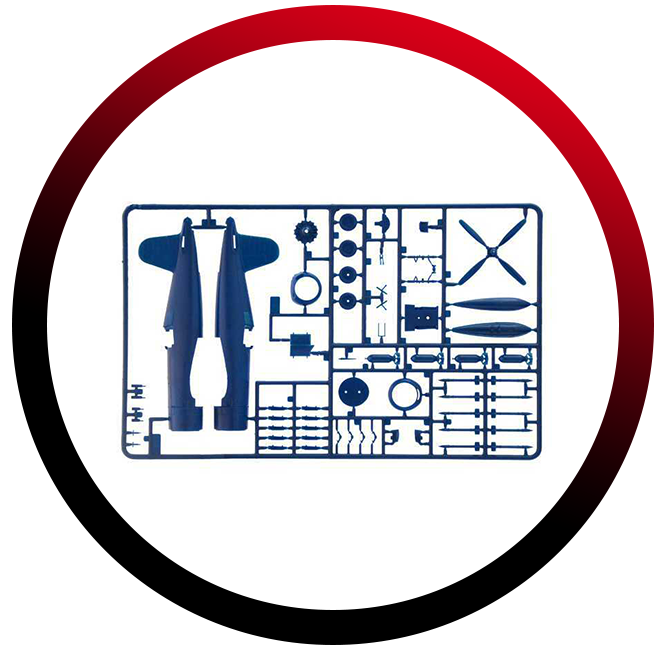
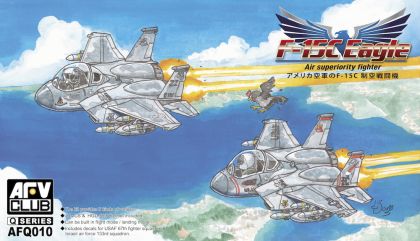
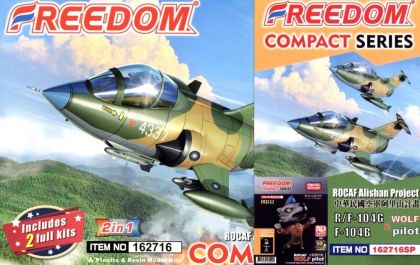
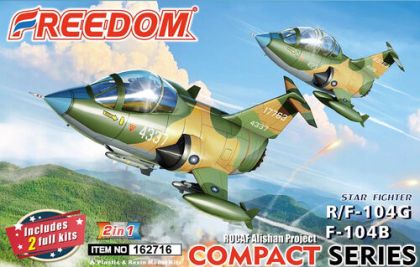
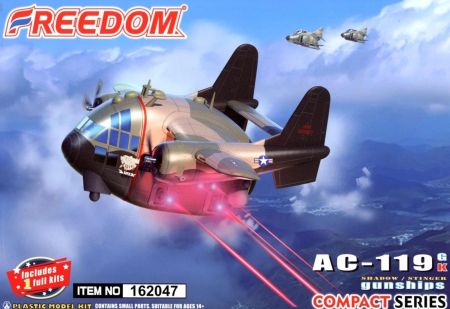
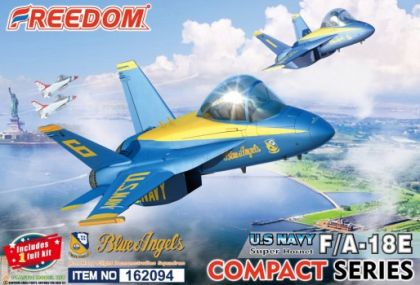
Caricature is the whole point here. An egg model takes a real machine, compresses its length, enlarges the cockpit and the features you would recognise it by, and lets the result look like a mascot of its own subject. A fighter ends up shaped like an egg, a tank like a toy from an animated film, and yet these are proper plastic kits with cockpits, undercarriage and armament that follow the original.
Builds are short and the finished models are only a few centimetres long, which is why they work equally well as a first kit for a child and as a rest between two serious projects.
 F-4E PHANTOM II USAF EARLY VIETNAM WAR
15.96 €
 World War Toons Soviet Medium Tank T-34/76
14.36 €
 F/A-18F SUPER HORNET US NAVY VFA-103 JOLLY ROGERS KIT COMPACT
15.96 €
 World War Toons German Medium Tank Panzer III
9.16 €
 World War Toons A12 Matilda II
14.36 €
 World War Toons King Tiger (Porsche Turret)
13.16 €
The style came out of Asia and its grammar is consistent: squash the length, exaggerate the canopy and the silhouette cues, keep the markings honest. Egg-shaped aeroplanes gave the genre its name, and shortened battleships, squat tanks and miniature crew figures now sit beside them. The level of detail stays surprisingly high for the size – it is the proportions that are funny, not the engineering. A whole collection fits on a single shelf.
Part counts are well below those of conventional kits, so a schoolchild can manage one with an adult nearby. For builders who want more to do, some boxings add a furnished cockpit or a set of figures and stretch the job across several evenings.
Three uses dominate: a relaxed build between large projects, a present for somebody who has just started, and the base of a small collection that will never outgrow its shelf. None of them demands an airbrush.
When real proportions start to tempt you, aircraft model kits are the obvious next step, and the skills transfer better than the shapes suggest.