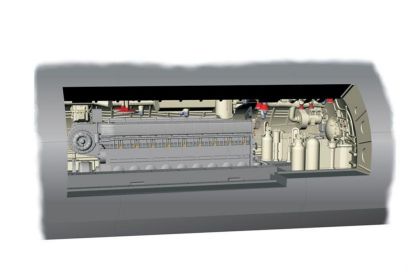
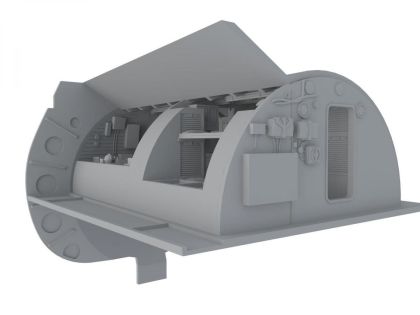
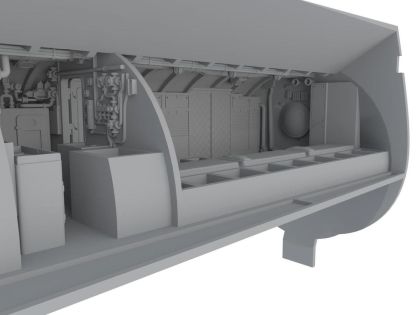
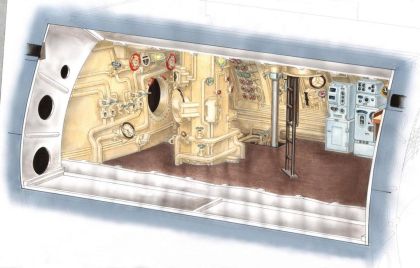
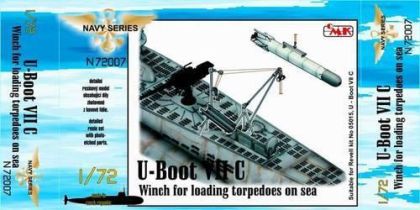
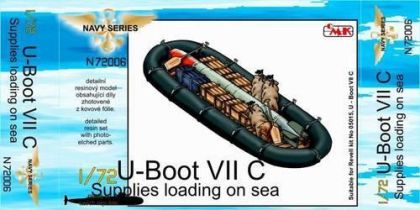
Upgrade sets for submarines cover a far wider span than on most subjects. At one end sit photo-etched railings and flag sets that take an evening; at the other, resin interior sections that reproduce the diesel room, the galley and the officers' quarters of a 1:72 U-boat well enough to justify cutting the hull open. Nothing else in the catalogue changes a finished model quite so completely.
Because a submarine hull is a closed tube, every one of these sets is cut for one specific kit and one specific boat type. The notes below explain how to check that match before you order, what each material is good for, and how to scope the project so it still gets finished.
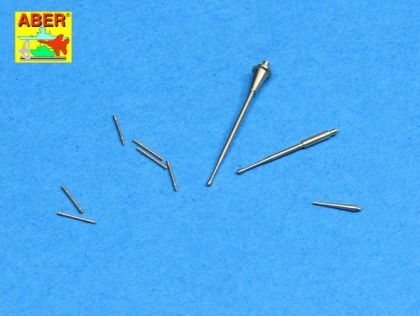 1:350 Set of barrels and periscopes for german U-Boot type VII
7.96 €
1:350 Set of barrels and periscopes for german U-Boot type VII
7.96 €
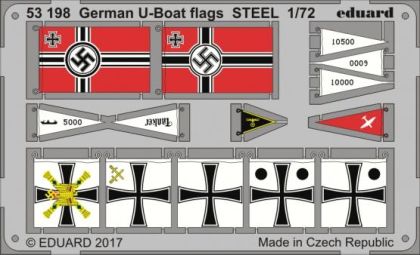 1:72 German U-boat flags STEEL
13.80 €
1:72 German U-boat flags STEEL
13.80 €
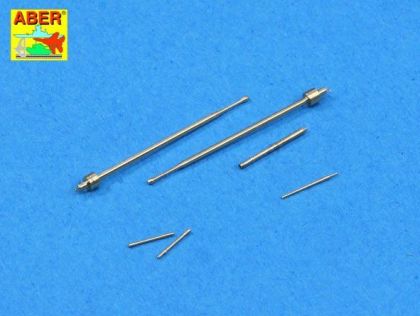 1:350 Set of barrels and periscopes for german U-Boot type IX
4.76 €
1:350 Set of barrels and periscopes for german U-Boot type IX
4.76 €
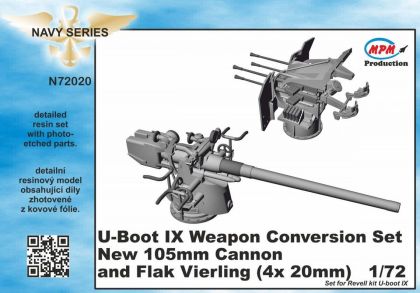
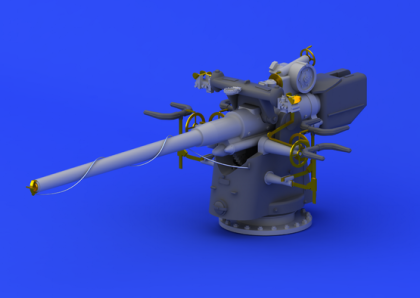 1:72 German Submarine 10,5cm gun
13.80 €
1:72 German Submarine 10,5cm gun
13.80 €
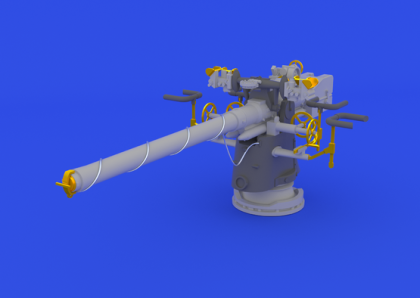 1:72 German Submarine 8,8cm gun
13.80 €
1:72 German Submarine 8,8cm gun
13.80 €
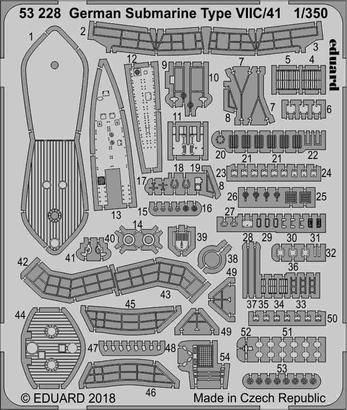 1:350 German Submarine Type VIIC/41
16.40 €
1:350 German Submarine Type VIIC/41
16.40 €
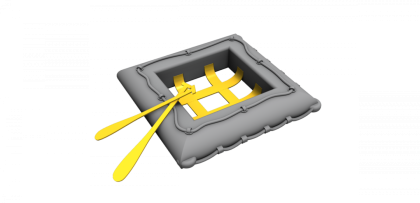
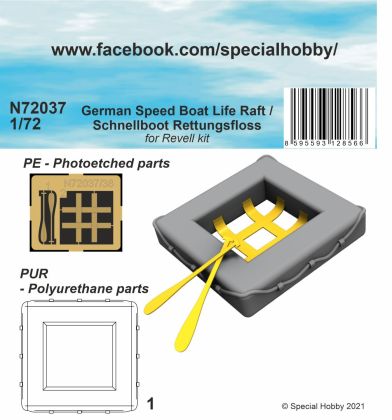
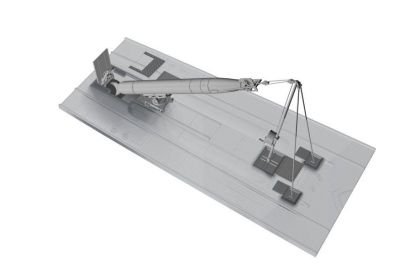
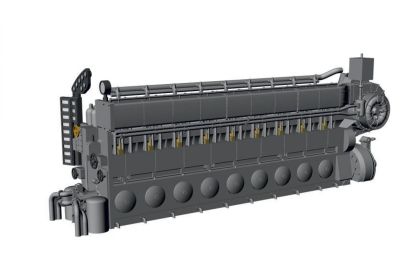
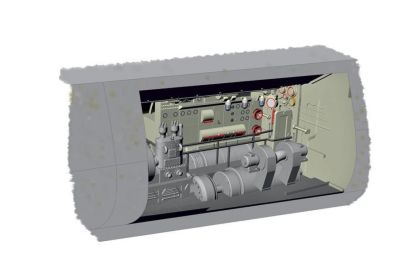
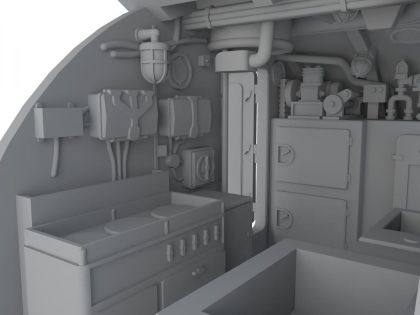
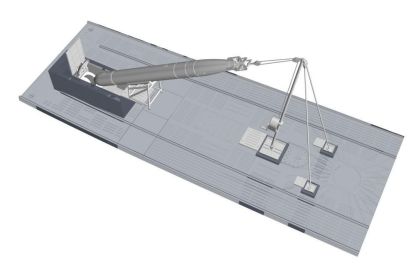
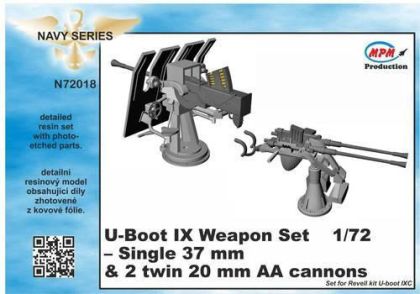
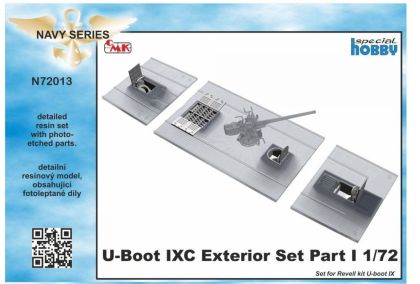
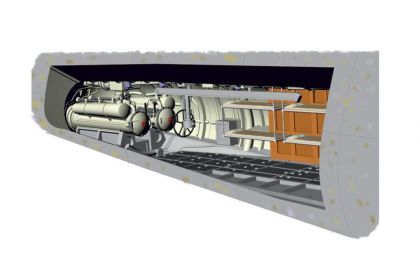
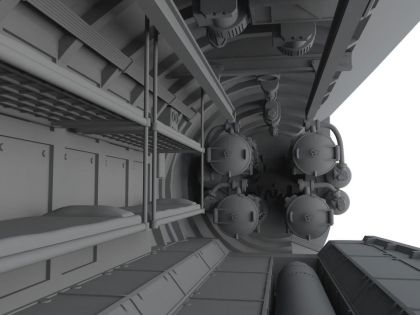
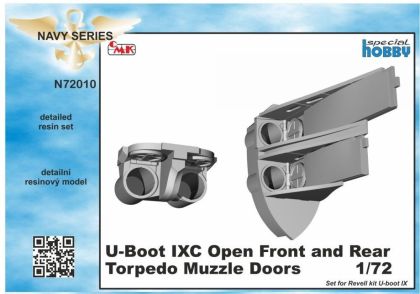
The heart of this category is interior and fitting-out sets for large 1:72 U-boats: diesel engines, the electric motor section, the galley, the officers' ward room, bow and stern torpedo rooms with loading winches and carts, and weapon conversions for the deck gun. Around them sit life rafts, open torpedo muzzle doors, exterior detail sets and deck fittings. The sections are designed to follow on from one another, so you can start with the engine room and add compartments as the build grows rather than committing to everything at once.
Interior sections are moulded to the inside contour of one particular hull, and the product description always names the kit it fits. Check the boat type, the mark number and the scale before ordering — a Type VIIC set will not drop into a Type IX hull even though both are 1:72. Most of the range targets kits in 1:72.
Resin carries volume: motors, bunks, bulkheads and cabin walls. Photo-etched parts give you thin railings, gratings and perforated casing panels that plastic cannot be moulded thin enough to match. Turned brass handles gun barrels, periscopes and torpedoes, where a perfectly round section is the whole point. The three are routinely combined on one boat, so plan the adhesives accordingly: cyanoacrylate or epoxy for resin and metal, not polystyrene cement.
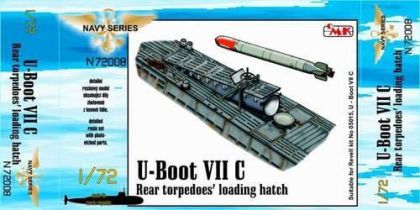
A full interior means an open hull, hundreds of hours and a model that can never be closed again. Smaller items such as rafts or a torpedo on its cart lift the deck over a weekend. A good middle path is to cut open one or two compartments only: the silhouette of the boat survives, the viewer still gets something to look into, and the work stays finishable.
The boats themselves, in every scale, are in submarine model kits.