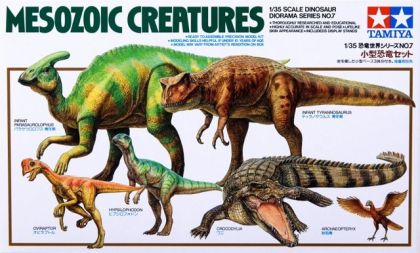
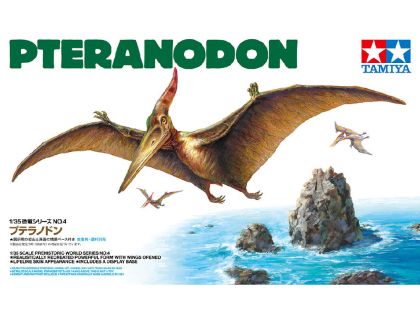
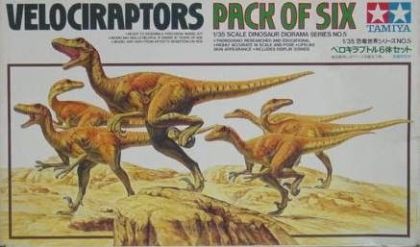
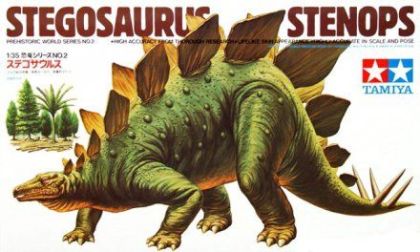
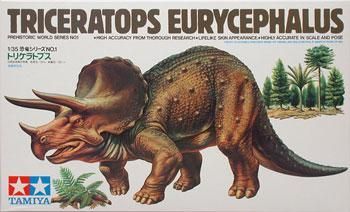
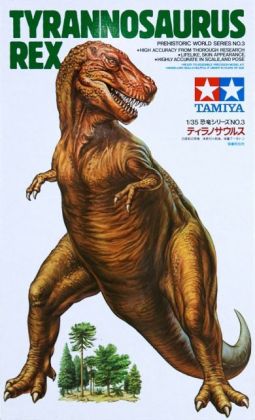
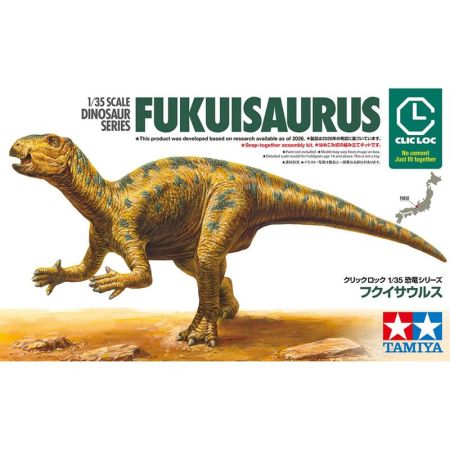
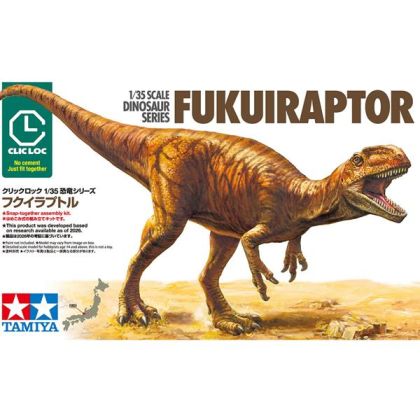
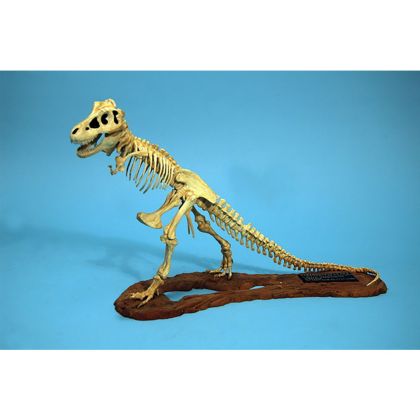
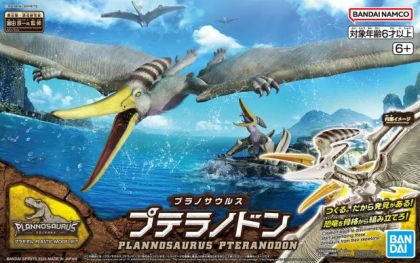
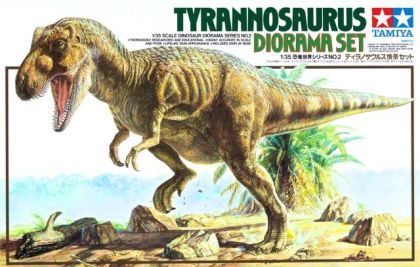
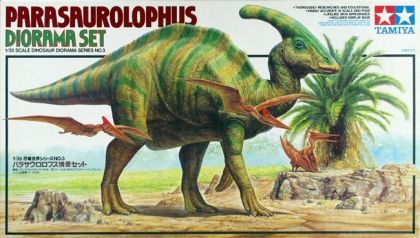
The Mesozoic translates surprisingly well to a display shelf. The backbone of this section is plastic kits in 1:35 – tyrannosaurus, triceratops, velociraptors, parasaurolophus – plus diorama sets that add vegetation and juveniles and give you a whole prehistoric scene out of one box. Pterosaurs share the listing too, flying reptiles of the Mesozoic rather than dinosaurs proper. Collectors also have the option of a tyrannosaurus skeleton, cast in the larger 1:24, which builds into a museum exhibit in miniature.
For somebody who normally builds machines a dinosaur is a genuine change of pace, and it is one of the few subjects a child can usefully help with.
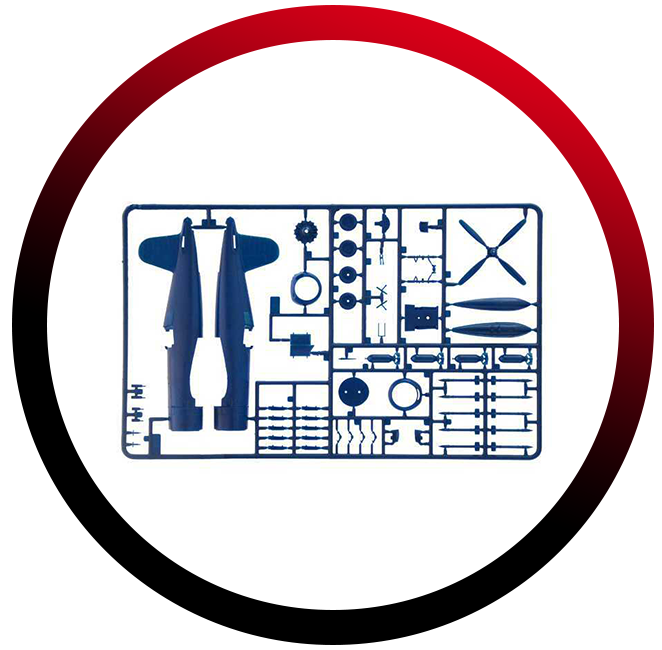
Mechanically it is the same job as any plastic kit: parts come off the sprue, seams get cleaned, the assembly gets painted. What changes is the surface. Instead of rivets and panel lines you are joining scaled skin and muscled limbs, and the seam runs along a flank where nothing is straight. In 1:35, the standard for prehistoric animals, a twelve-metre tyrannosaurus comes out thirty-four centimetres long, which is big enough to carry real paint work.
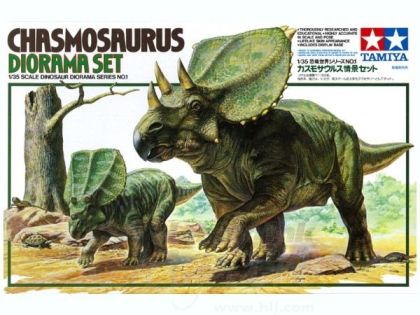
Diorama boxings hold several animals, plants and a base. The skeleton is a separate proposition in every sense: it is moulded in the larger 1:24, so it does not share a scene with the 1:35 animals, and once assembled it looks like a scaled-down mount from a natural history hall. One mercy compared with armour: nature does not produce two identical animals, so small inaccuracies read as variation rather than error. That makes dinosaurs an unusually forgiving place to learn shading and blending.
Predators such as tyrannosaurus and velociraptor sell themselves on posture and open jaws. Herbivores like triceratops win on detail instead – the frill, the horn bosses and the heavy skin folds give a brush plenty to do. For a first build take any single animal and leave the multi-animal diorama sets as the second step.
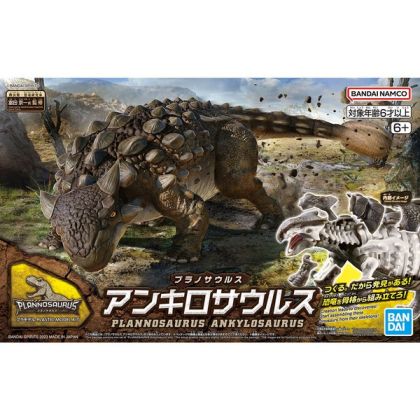
Conventional cemented kits assume you have basic equipment and will paint. For children and impatient builders there are simple push-together versions, and more of the same idea sits in snap-fit kits.
Because 1:35 is consistent across the animals, they combine from different boxes into one landscape with vegetation and groundwork you make yourself, while the 1:24 skeleton and the unscaled kits stay out of it. Plan the base before you start painting – a dinosaur glued to a bare slab looks unfinished in a way a tank does not.
Dinosaurs are one branch among many; the rest of the tree is in plastic model kits.