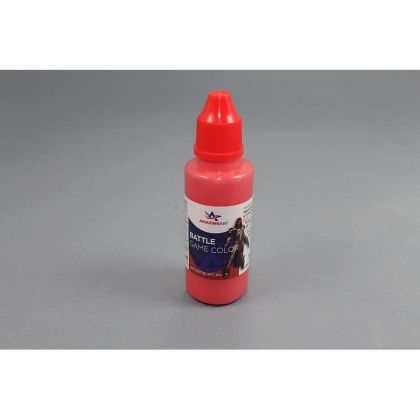
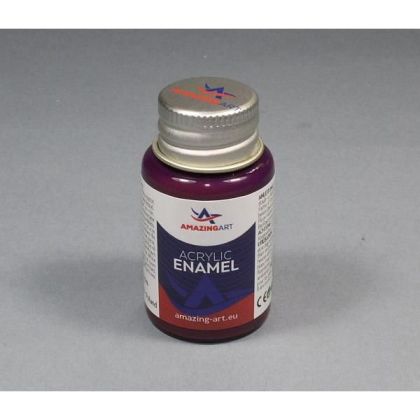
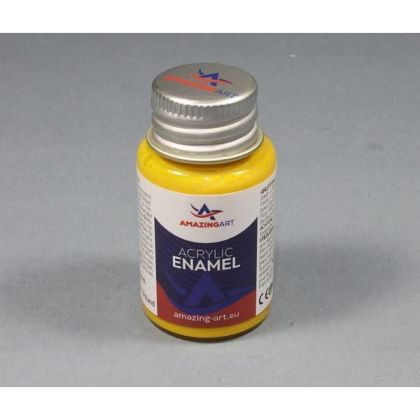
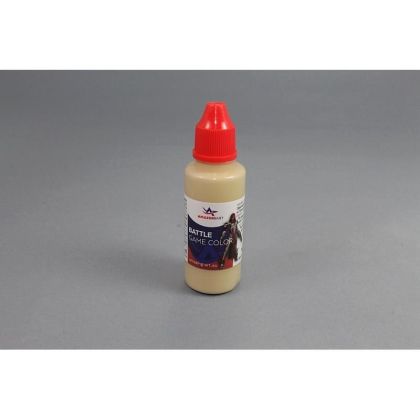
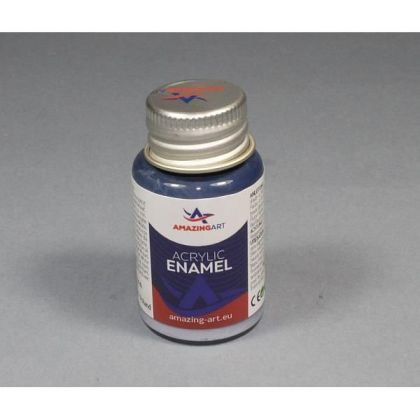
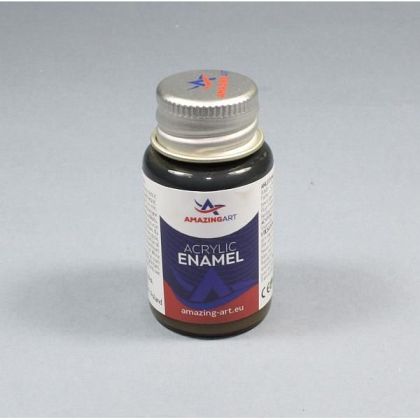
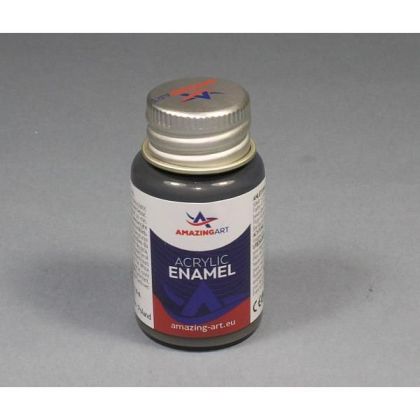
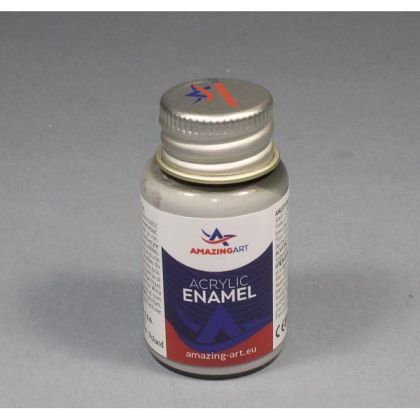
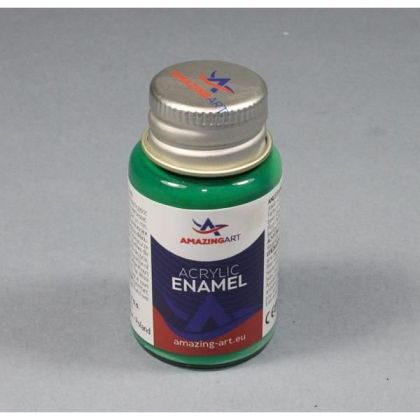
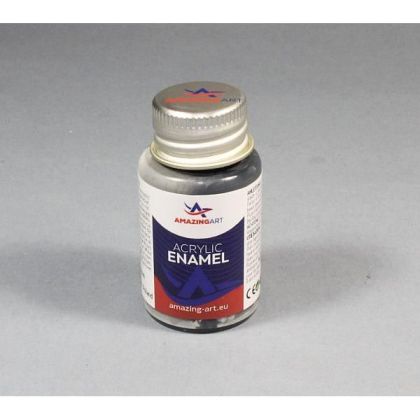
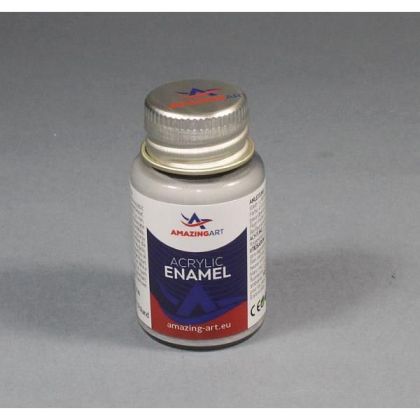
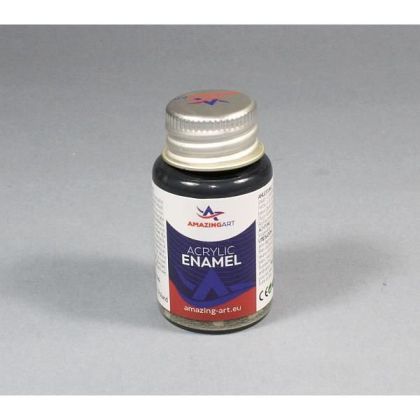
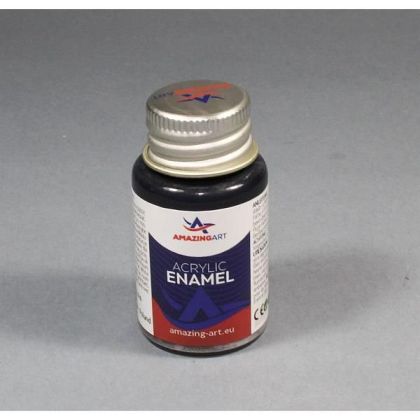
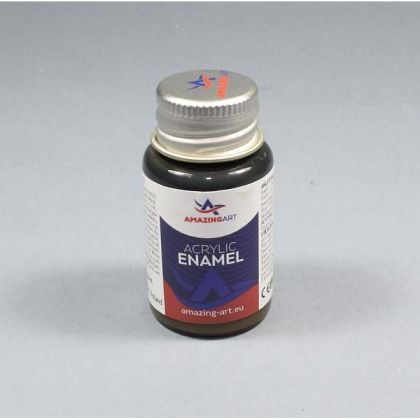
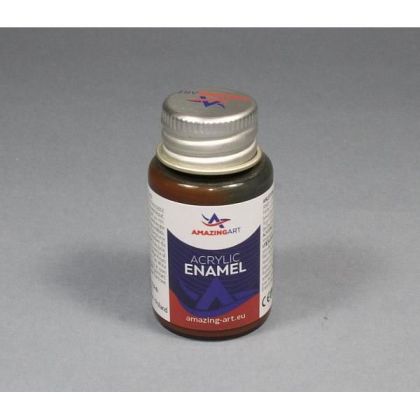
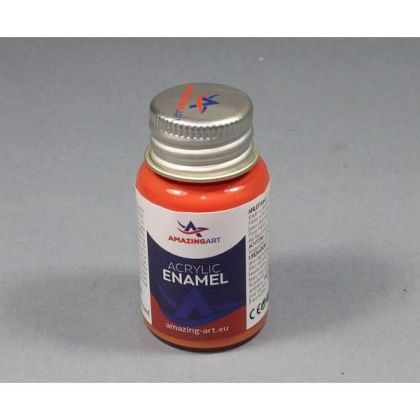
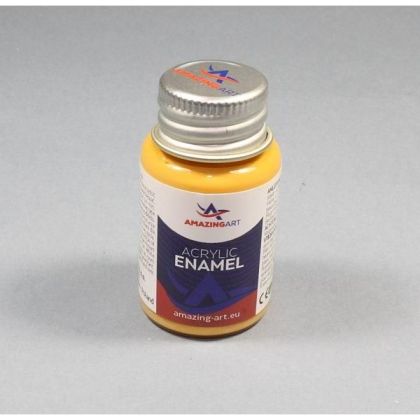
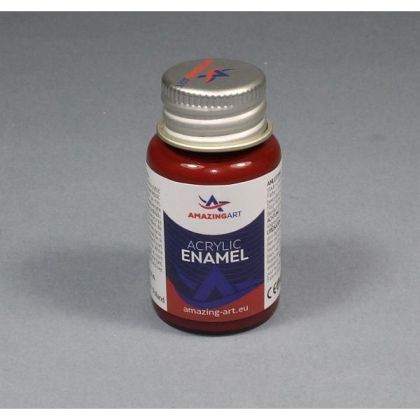
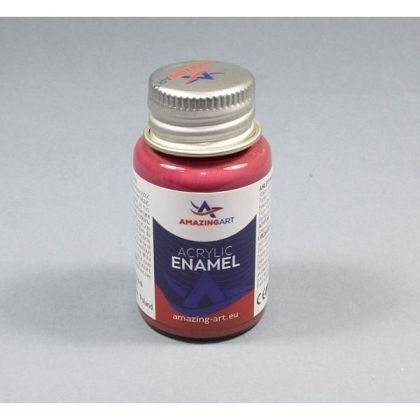
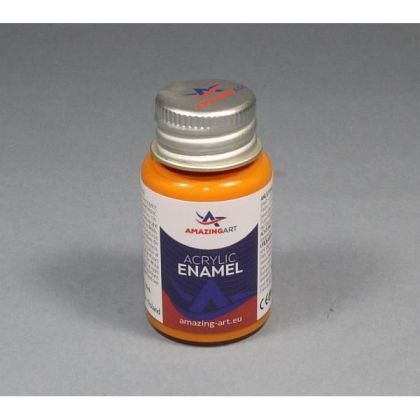
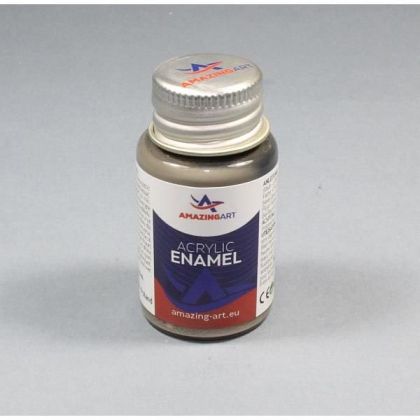
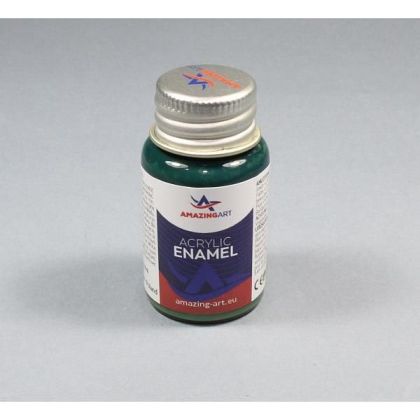
The Amazing Art palette heads in a different direction from the usual camouflage ranges. Its shades come from industrial and transport tones to RAL: traffic greys, telegrey, tarpaulin grey, signal green, sepia brown and saffron yellow.
The paints come in fifteen-millilitre jars in both matt and satin versions. For civilian machinery, a railway subject or a diorama with buildings, this is a palette that saves a great deal of mixing. The paragraphs below cover the difference between the matt and satin versions and where each one belongs.
Military ranges cover camouflage, but the civilian world has a colour language of its own: station buildings, goods wagons, containers, machinery, road markings. Those are precisely the tones that can be traced exactly through RAL and are awkward to mix by hand. Here they are the main subject rather than an afterthought.
Matt tones suit weathered and dusty surfaces, satin suits freshly painted equipment and vehicles in working order. Sheen can be adjusted later with a clear coat, but starting from the right version is simpler than overspraying.
The fifteen-millilitre jar works with both brush and nozzle. For the airbrush, bring the paint down with the matching thinner and spray in light passes; the equipment is in the airbrush section. For hand painting, the modelling brushes category covers hair types that lay these denser tones flat.
RAL codes in the names let you compare the paint with the real object. On older equipment allow for fading, so the base shade is usually worth lightening or dirtying a little.
If you need military camouflage tones instead, look through the acrylic model paints. The complete overview of binder types and their uses is in the model paints category.