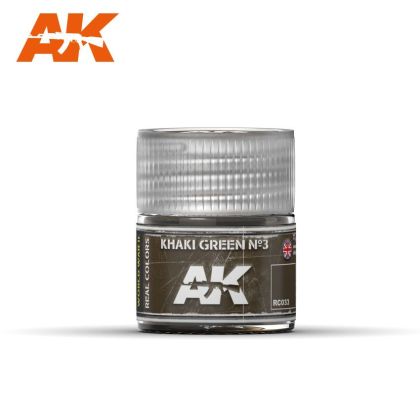
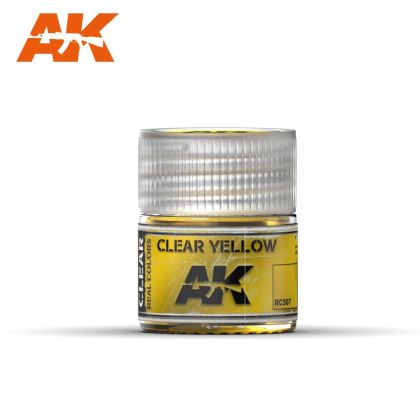
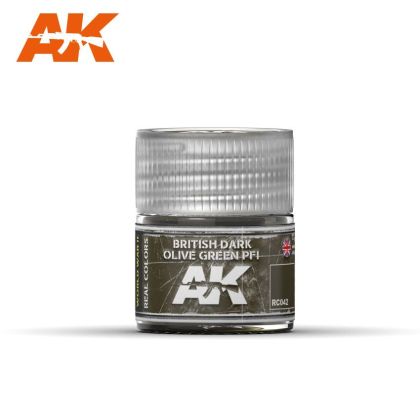
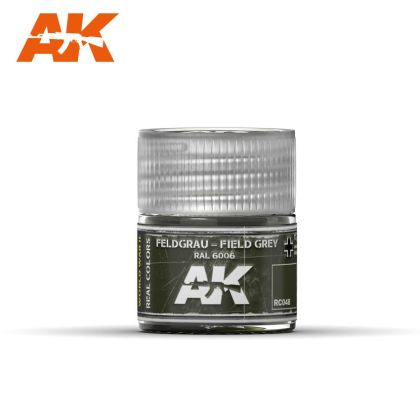
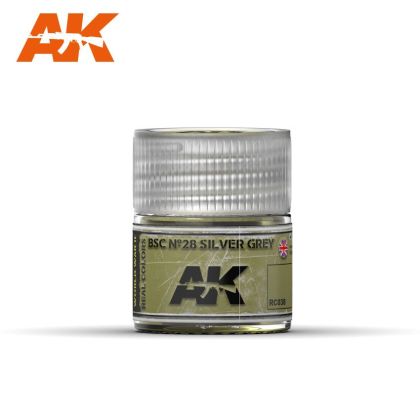
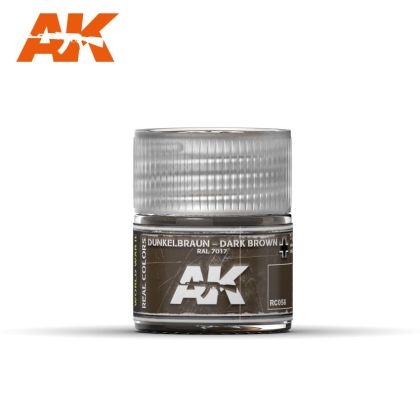
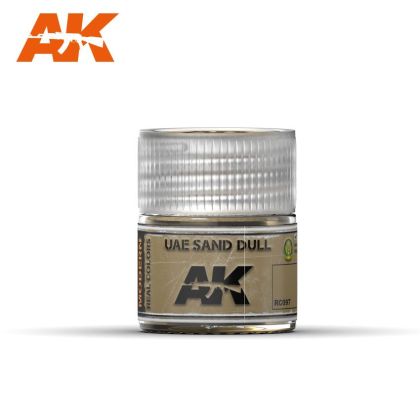
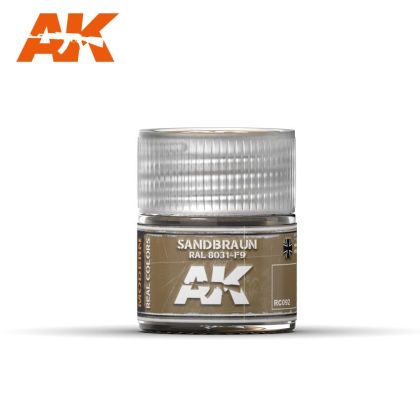
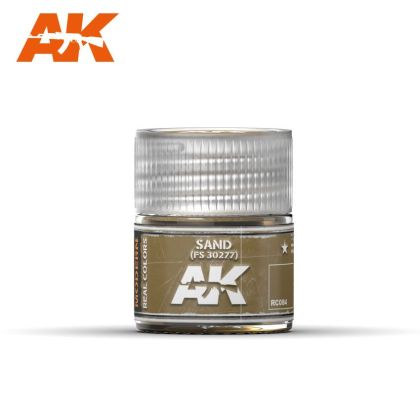
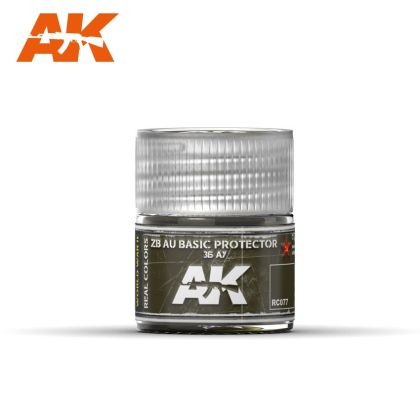
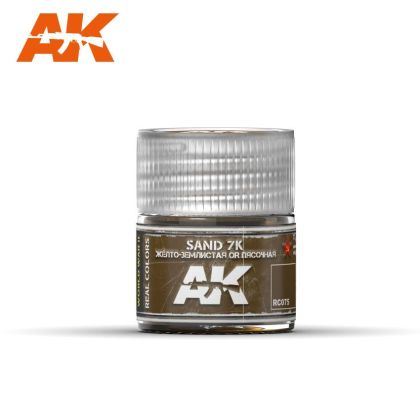
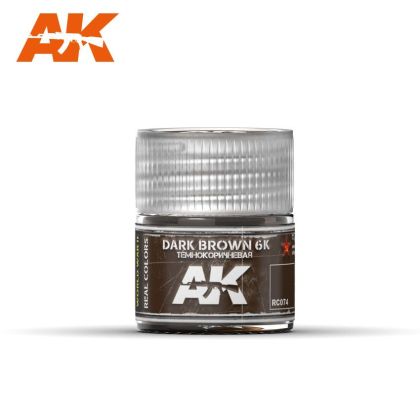
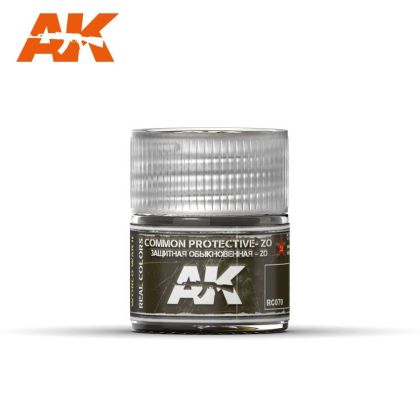
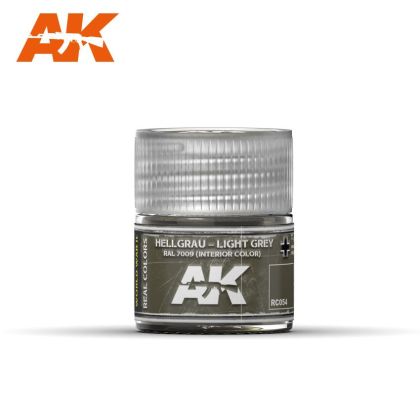
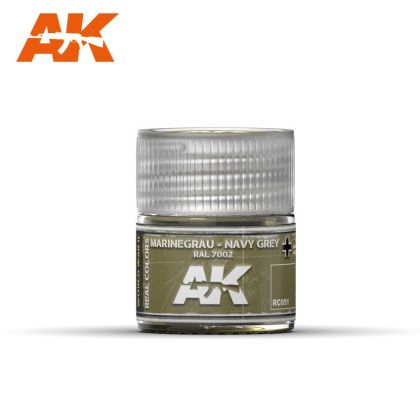
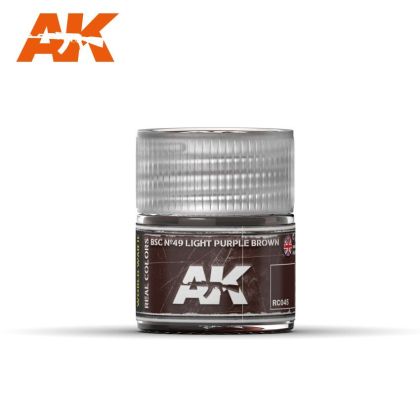
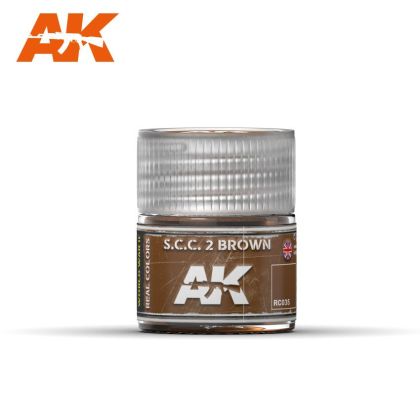
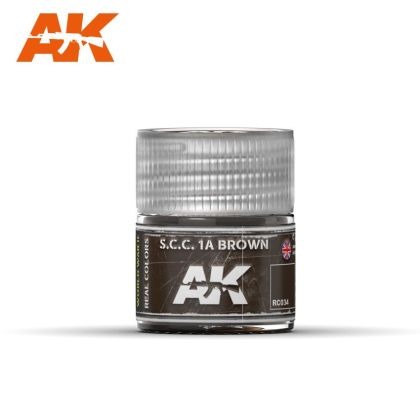
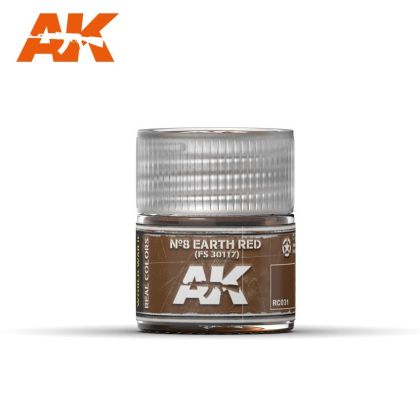
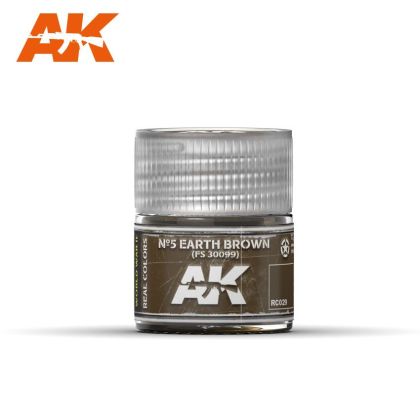
Real Colors by AK is built on traceable regulations: the shades carry RAL or FS codes or a national standard designation, and the focus falls on ground vehicles and their period camouflage. Desert sands, German greys and browns, Soviet protective tones and British camouflage shades are all represented.
If you build a vehicle from documentation and would rather follow a standard than estimate a tone from a faded photograph, this is a palette made for that way of working.
The value of this range is that the shade can be traced. The code on the jar corresponds to the specification the real machine was sprayed to, so you are not guessing how much a photograph has shifted. With historic finishes, remember that actual colours varied between manufacturers and batches, which makes the code a starting point rather than a verdict.
Begin with the darkest shade of the scheme as the base and lay lighter tones over it. Built that way, the camouflage keeps its depth even after weathering. Multi-colour schemes with hard edges need masking; soft-edged patterns can be sprayed freehand.
Bring the paint down with the matching thinner to roughly the consistency of milk and work in light passes. Equipment from the airbrush section earns its place here, because large camouflage areas save both paint and time when sprayed.
Military shades look flat on their own. Dust and grime are what give the vehicle character, which is where weathering pigments come in, applied once the finish has been sealed with a clear coat.
The commonest destination for these shades is military vehicle kits. To judge how the palette stands next to other systems, open the acrylic model paints overview.