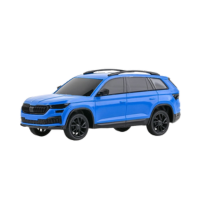
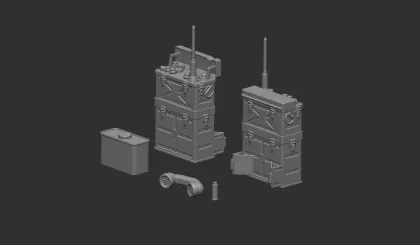
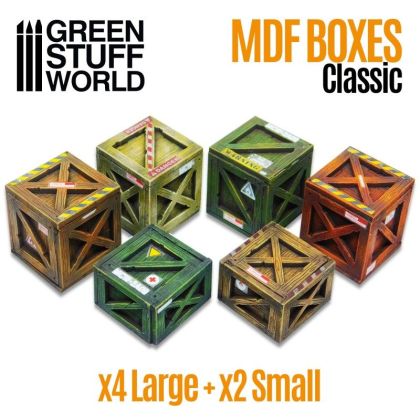
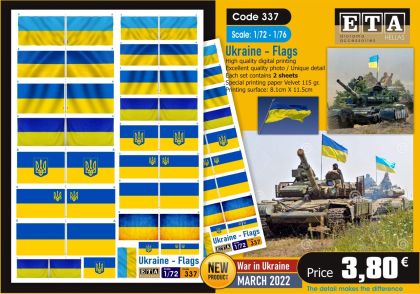
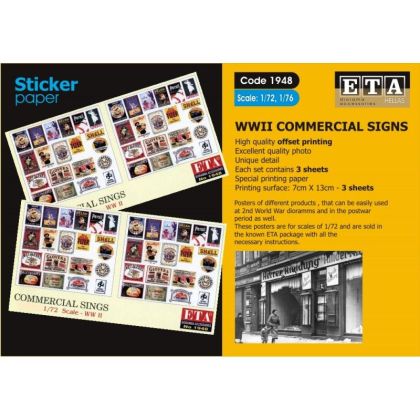
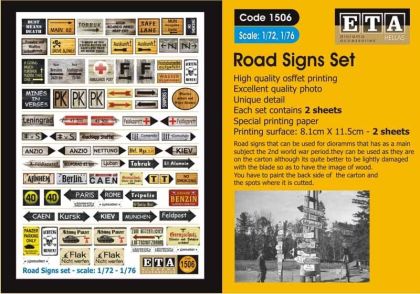
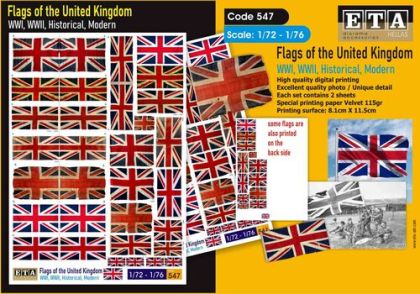
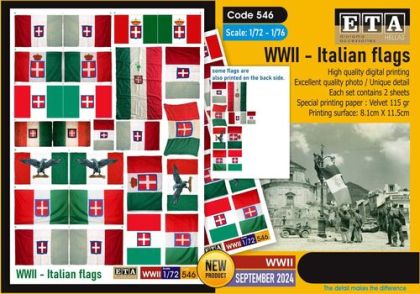
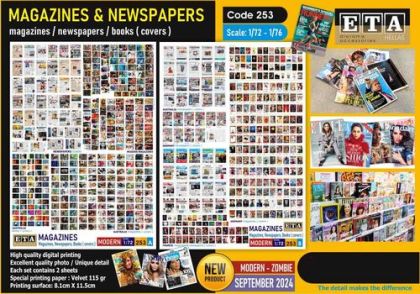
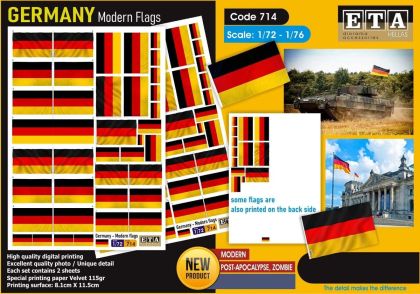
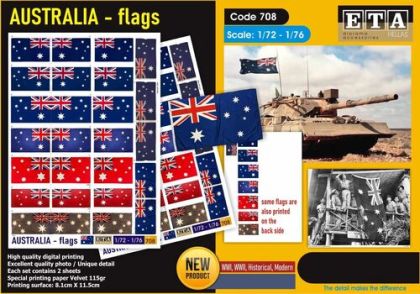
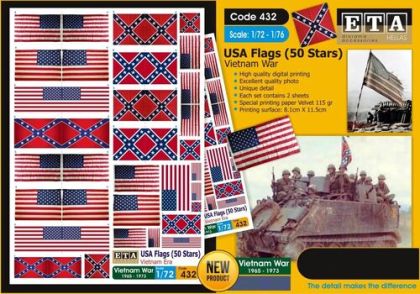
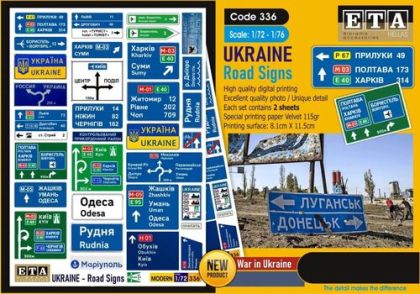
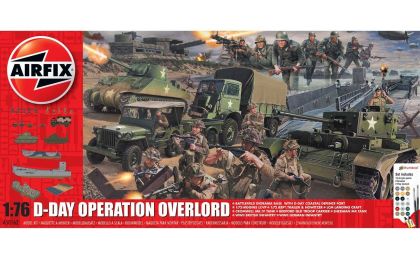
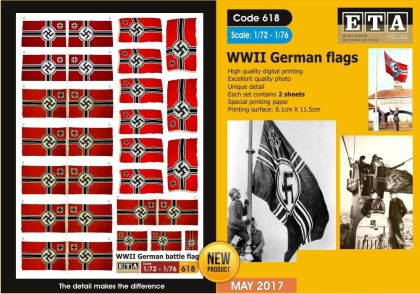
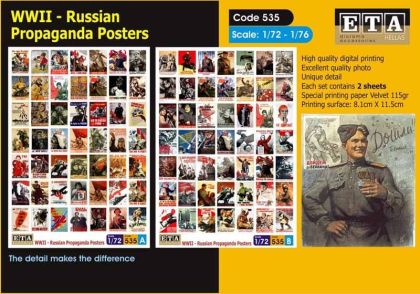
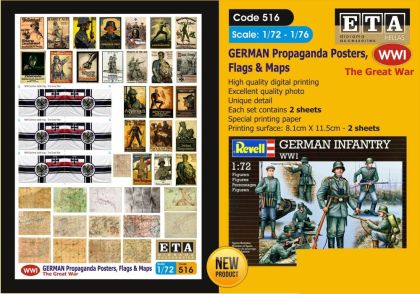
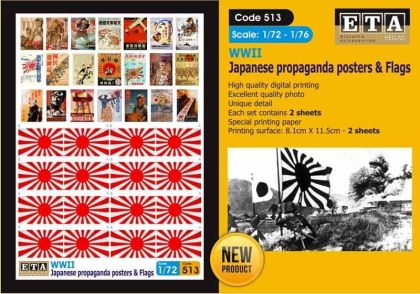
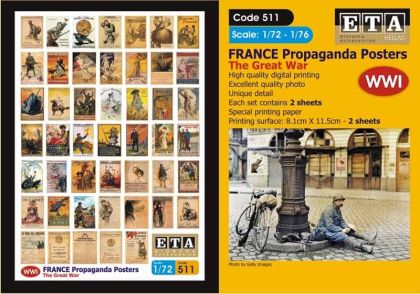
In 1:76 a large part of the diorama range arrives as printed sheets, and in this scale paper does work that no moulded part can manage: national and regimental flags from many periods, road and direction signs from several countries, propaganda posters, magazine covers and newspaper pages, shop boards and small labels. Alongside them sit wooden crates, poles, a portable radio set and a landing kit.
Why 1:76 leans on printed parts, and how to cut and shape them so they stop looking like paper, is explained below.
A figure in 1:76 stands roughly two and a quarter centimetres tall. A signboard, a flag or a poster cannot be modelled at that size, yet it can be printed perfectly. Most of what is stocked here is therefore sheets carrying dozens of motifs: national and regimental flags, road signs from different countries, wall posters, magazine covers, company boards. One sheet yields the fittings for several scenes, and often for several periods as well.
A board two millimetres wide has to be cut true, because any wobble reads as a mistake. Use a fresh blade, a steel rule and a hard surface. Paint the white cut edges a dark shade; in a small scale a pale edge is the single most distracting thing a scene can carry.
A paper flag glued down flat looks like a sticker. Coat it on both sides with thin PVA, let it relax, and ripple it around the staff with a cocktail stick. It holds that shape on its own once dry. A tarpaulin or a vehicle cover behaves the same way.
The difference between the two is around five per cent, and on equipment, signs and boards it never shows. Makers accept that and often mark parts for both scales at once. The one thing to watch is figures standing shoulder to shoulder, where a small difference in height does become visible.
If a vehicle is on the bench and you cannot decide what to put around it, start with two signs and one flag. The ground and greenery that follow come from scenic accessories.