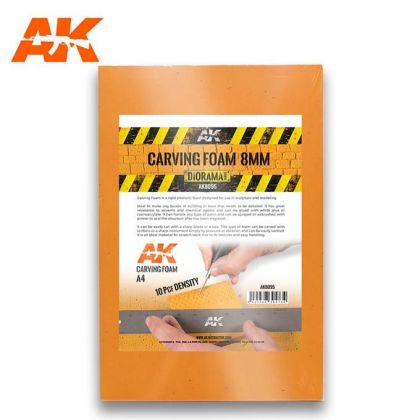
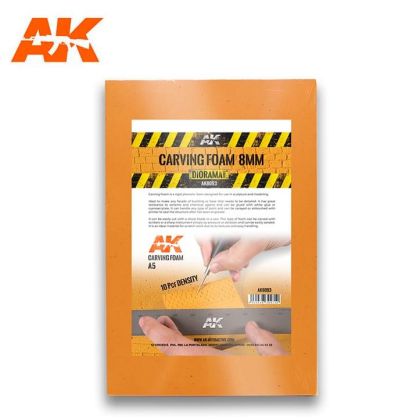
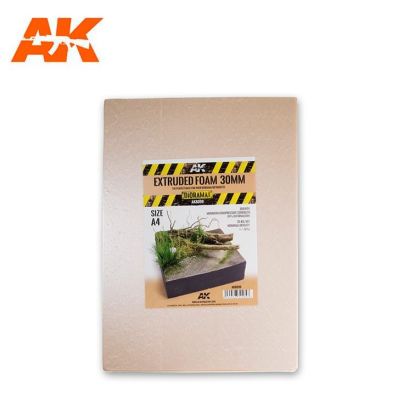
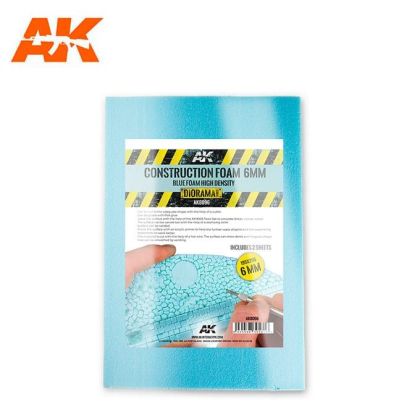
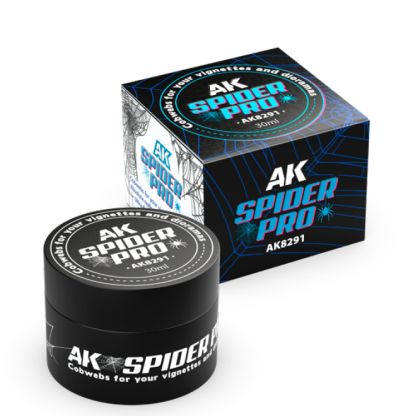
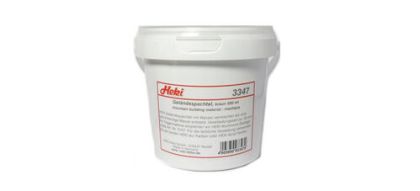
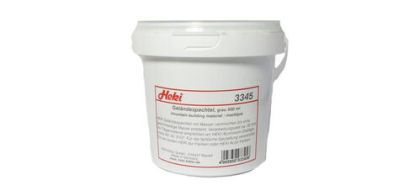
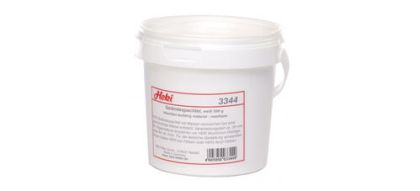
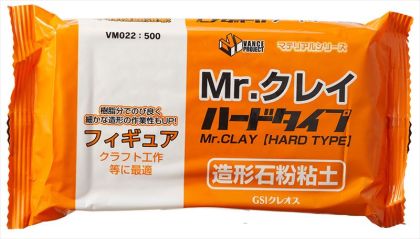
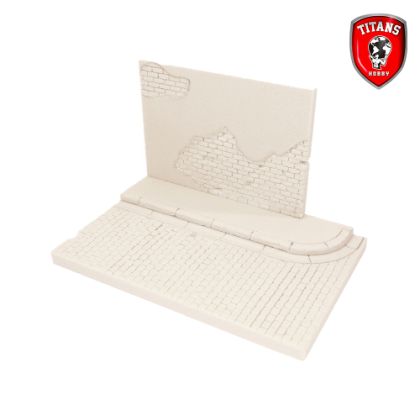
Foams and modelling compounds are the materials a diorama's shape is actually made from, long before the first grass fibre goes on it. The group covers extruded foam board in thicknesses from three to thirty millimetres, modelling clays in several earth shades, polymer compounds cured with heat, compounds for making moulds, and powdered fillers for moss and lichen.
Read on for what suits which job, and for the cutting and bonding that each of these materials will tolerate.
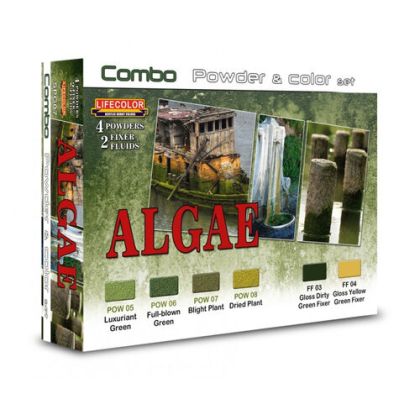
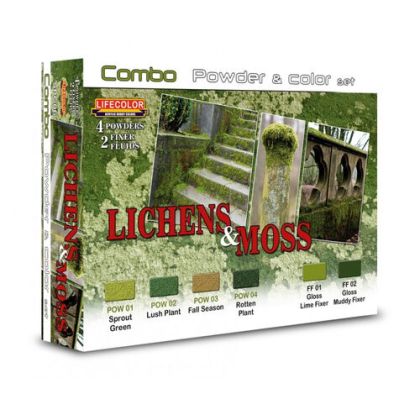
Terrain is not carved from a solid block; it is built up in layers. Foam board is cut, stacked and sanded into a slope or a stream bed - it weighs almost nothing, so a finished diorama can be carried in one hand. Compounds go on top of it: rock structure, a worn rut, the lip of a ditch or a plough furrow are pressed into them. Powder fillers with a binder deal with the details that no compound would ever produce, which is moss, lichen and algae on damp stone.
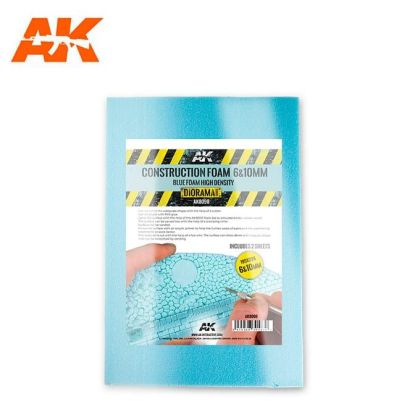
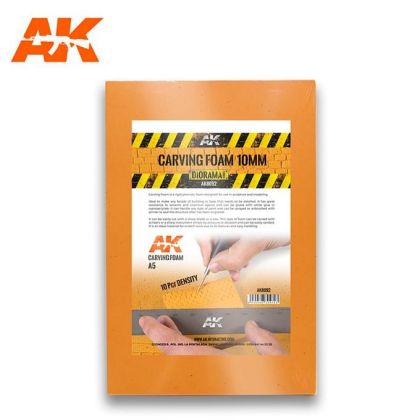
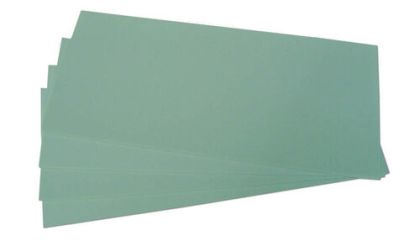
Extruded foam with a dense structure cuts with a scalpel or a hot wire and does not shed grains once sanded. Thin board from three millimetres suits steps, terraces and contour layers; ten millimetres and up is for hills and embankments. Bond it with PVA or hot melt, because aggressive thinners eat into foam.
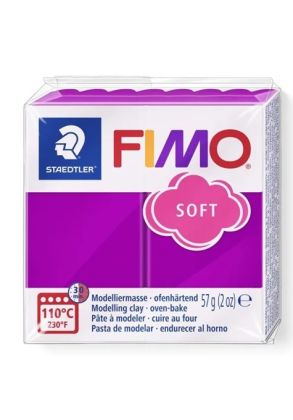
Modelling clays in grey, brown and ochre stay pliable and take an impression from moulds and rollers. Heat-cured compounds keep their shape for good and tolerate sanding. Always make a test piece first - every compound dries differently and some shrink slightly as they go off.
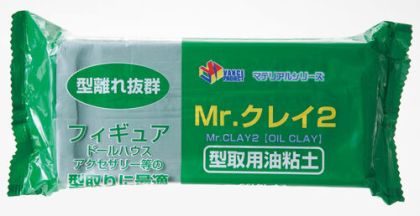
Mould compounds turn one good stone or one good wall into any number of copies. The sequence is straightforward: wrap the original, let the compound set, release it and pour plaster or resin into the negative. The tools for that sit among the diorama making tools.
Let the scene rest at the end of each stage. Compound dries from the outside, and a damp core can still move the surface several days later. Only mount finished pieces such as military vehicle kits on groundwork that is genuinely dry, where a later crack would really hurt.