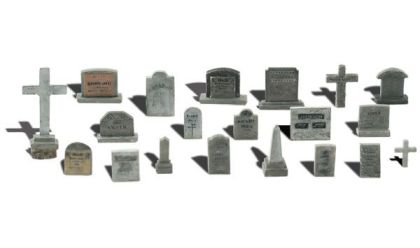
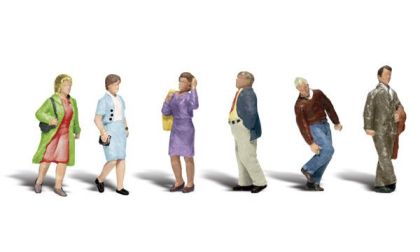
A model railway is not really about locomotives and track; the scene only starts working once there is something standing beside them. This part of the range covers figures in H0, roughly 1:87, in working and everyday poses, structural elements such as culverts and level crossings, small props including crates, benches and gravestones, and miniature LEDs in several colours that bring a layout to life after dark.
These are the details that decide whether a scene reads as a place or as an empty stage set. The guide below suggests the order to buy them in, which is not the order most people use.
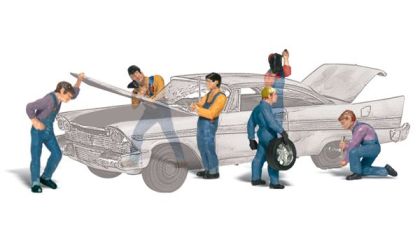
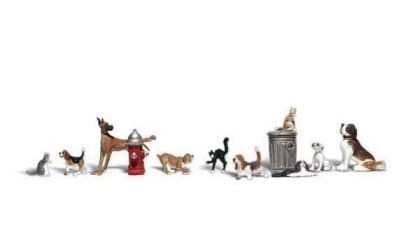
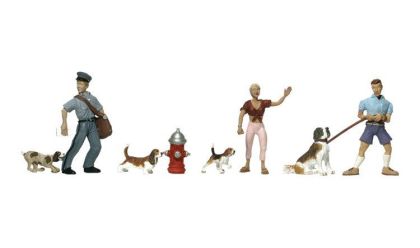
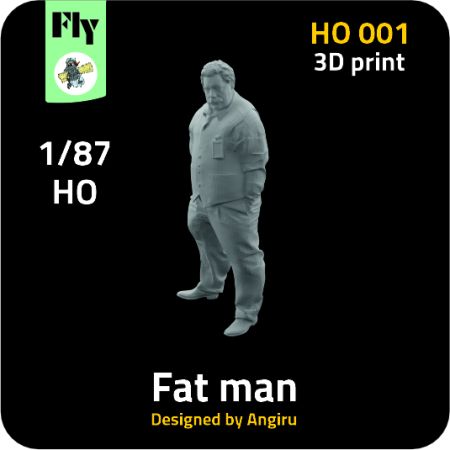
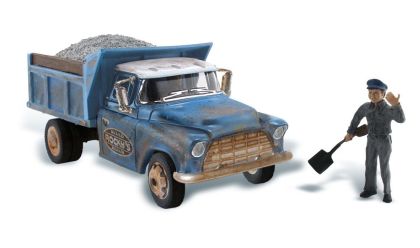
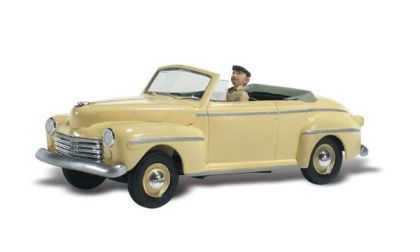
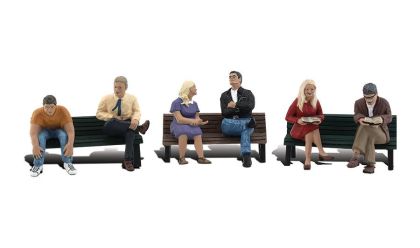
H0 corresponds to approximately 1:87, so a human figure stands about 20 mm tall. At that size the pose and the activity read clearly while the face does not, and that is enough. Sets are therefore built around themes: a road gang, mechanics round a car, people on benches, farm animals. Alongside figures come the structural pieces that tie a line into its surroundings: culverts for draining an embankment in several material finishes, level crossings in timber and steel, and the small inventory of goods yards and back gardens.
The usual mistake is to buy a set of figures and then look for somewhere to stand them. Working the other way round is more productive: settle what is going on at that spot — loading, a road repair, waiting for a train — and only then find the figures that fit it.
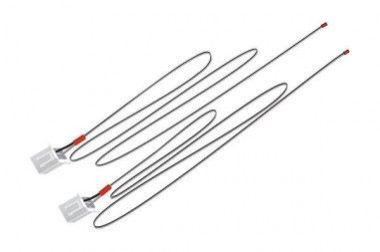
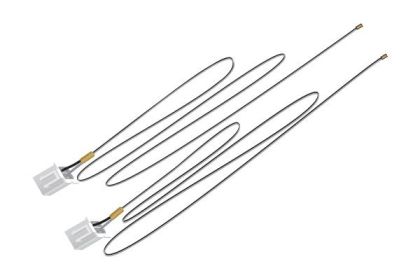
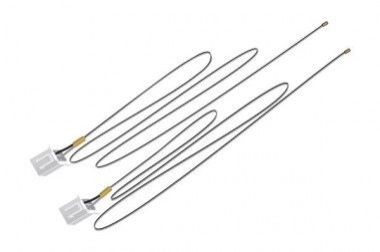
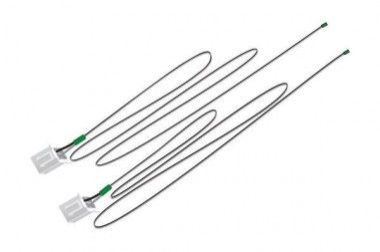
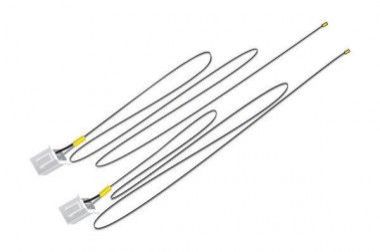
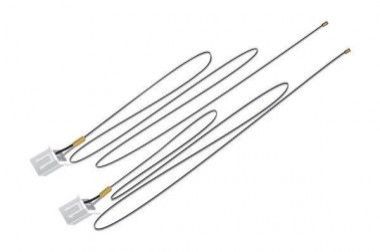
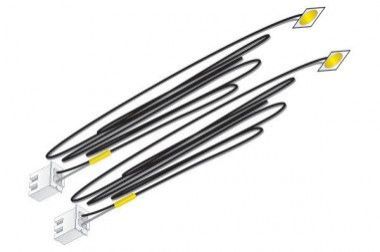
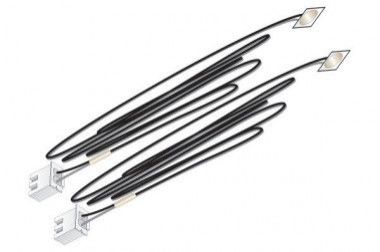
Miniature LEDs are made in warm and cool white and in coloured versions, including flashing types that suit warning lights and crossing signals. The wires have to pass through the baseboard, though, which means the hole has to be drilled before the structure sits in its final place. Retrofitting it is the single most common regret on a layout.
A crate or a bench a couple of millimetres oversized is visible immediately, because the brain knows how big the real thing is. With figures that goes double, since people are the one subject everyone can judge by eye.
Rolling stock and railway subjects as kits are in railway model kits; the wider branch with the other disciplines is other models.