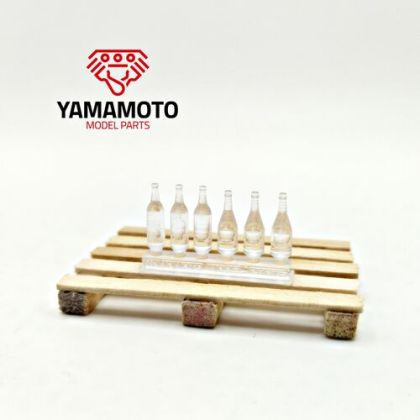
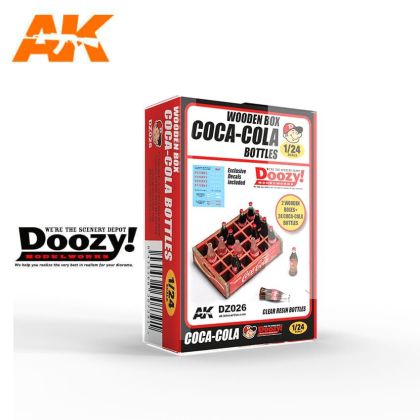
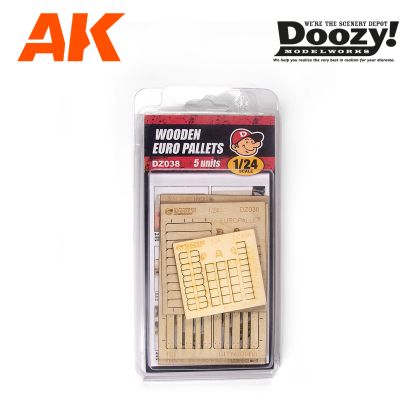
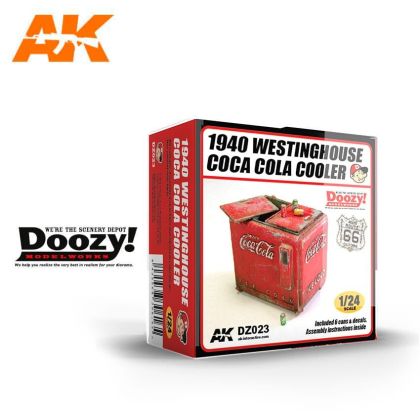
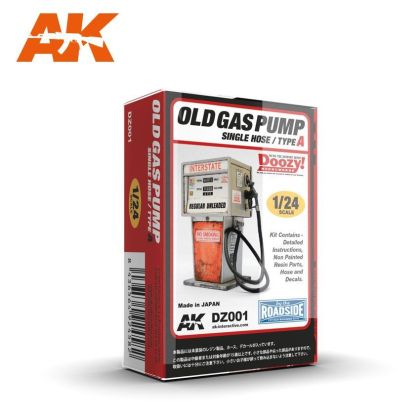
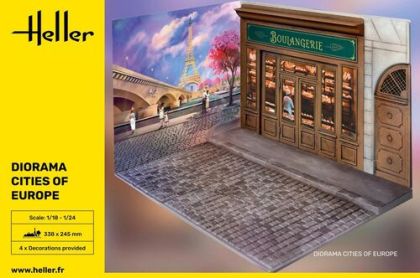
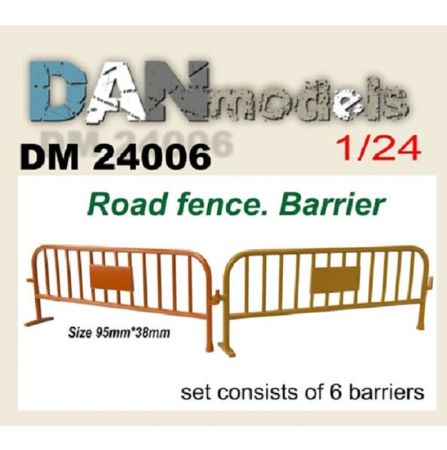
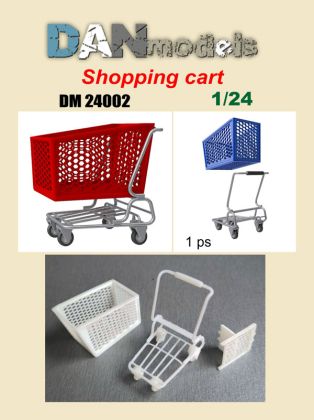
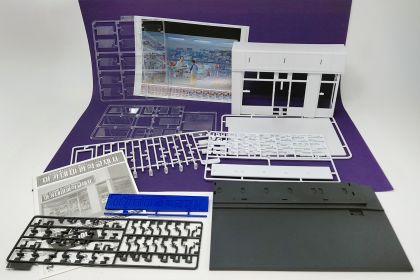
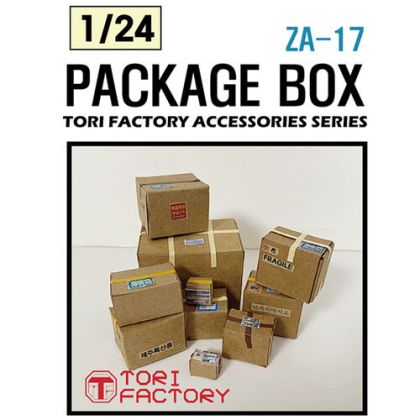
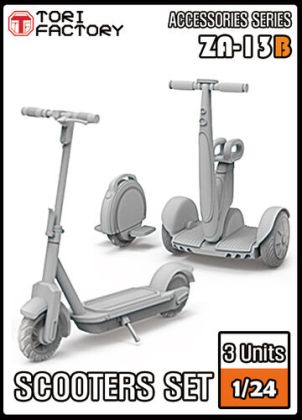
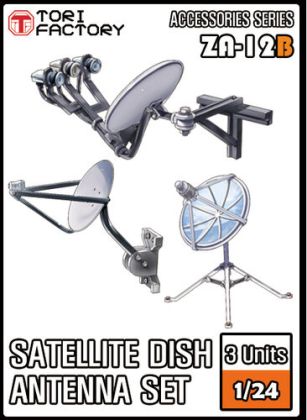
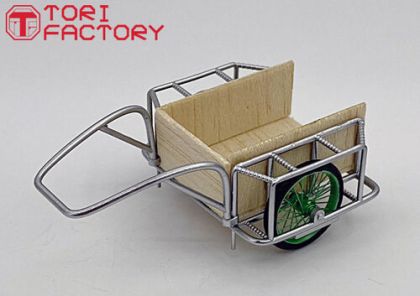
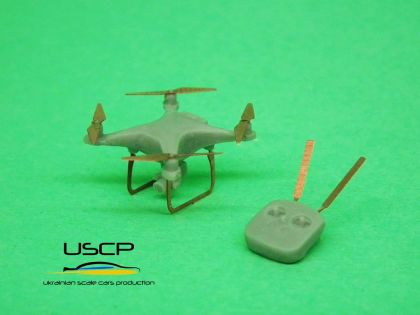
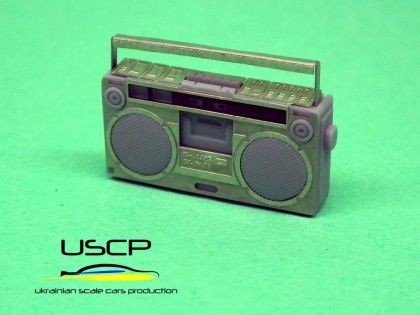
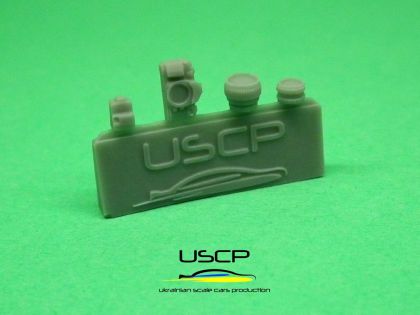
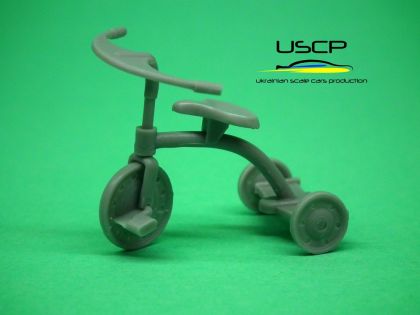
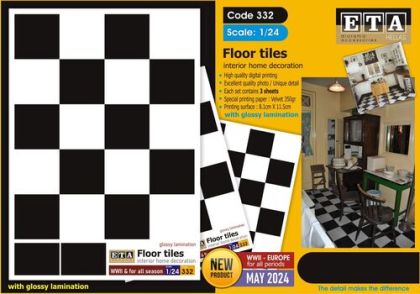
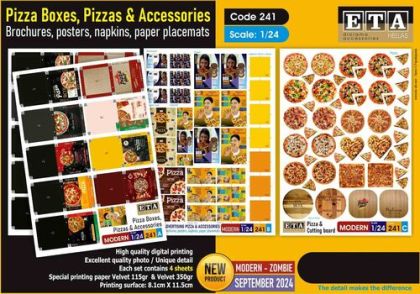
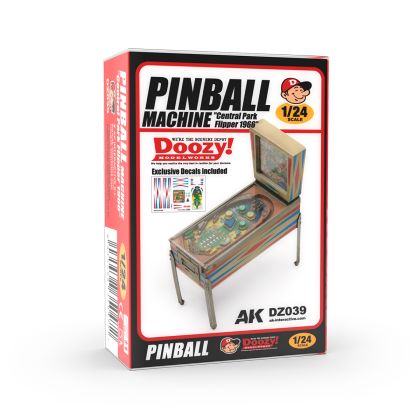
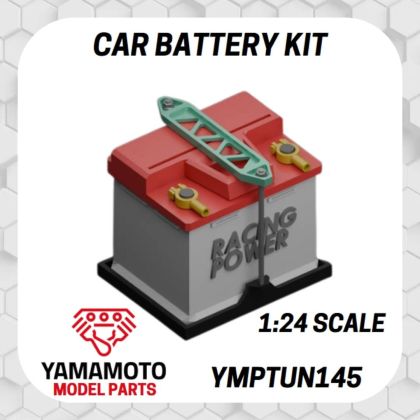
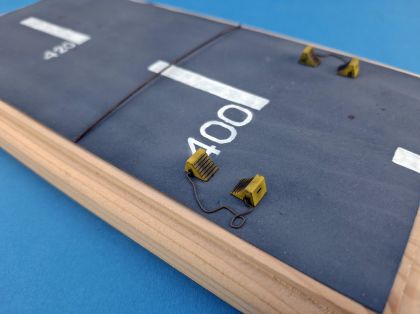
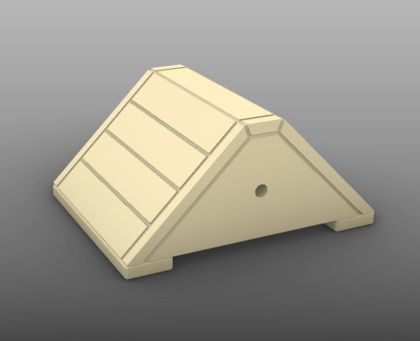
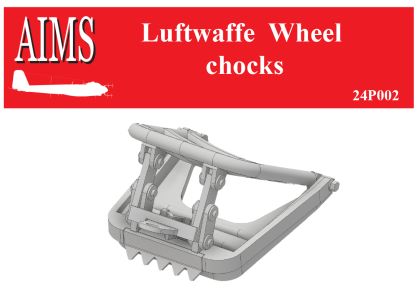
Two settings are served in 1:24 at once: the street and garage that belong with car kits, and the apron equipment that large aircraft in this scale need. The shelf holds a model shop kit, a shopping trolley, roadside railing, scooters, a satellite dish, a car battery, a period radio cassette player, a camera, pizza boxes with printed detail, floor tiles, an arcade machine and chocks for the wheels.
Composition advice, including how little street you actually have to build, follows further down the page.
This is first of all a car scale, so what belongs here is everything that makes the surroundings of a vehicle: kerb and railing, a pump, a parking bay, a corner of a garage, a shop window. A second, smaller group serves large 1:24 aircraft - chocks, pads and tie-down loops. The third strand is the small stuff that fixes a period: a portable cassette player, a camera, an arcade machine, a fast-food box. Those date a scene far more precisely than any signboard.
The car sets the era and the props have to respect it. A period cassette player beside a modern car, or a satellite dish on a scene from the early eighties, is the kind of slip an attentive viewer reads immediately. Pick a year, then buy to it.
Two or three metres of kerb, a stretch of wall and whatever lies on the ground will do. A full street in 1:24 swallows half a table and the car disappears into it. The composition that usually works is a corner: the vehicle at an angle, a wall behind it, open ground in front.
Tiles, posters, packaging and small printed matter come on sheets. Cut them with a fresh blade against a steel rule, paint the white cut edge a darker shade, and lay them with diluted PVA. Knock the surface back with a matt coat afterwards, or the area will catch light like a photograph.
One twenty-fourth is a forgiving scale for a first scene, because the car is usually already built and only its surroundings are missing. When you later want finer figure work, look at 1:16 diorama supplies.