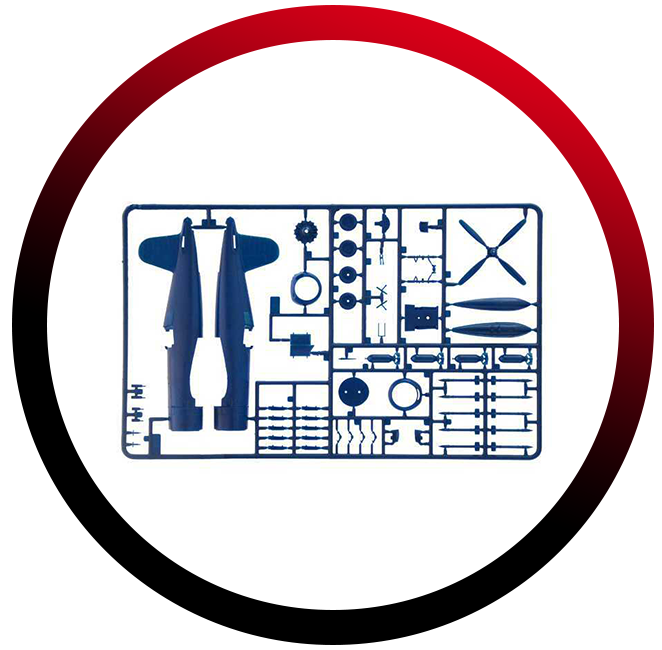
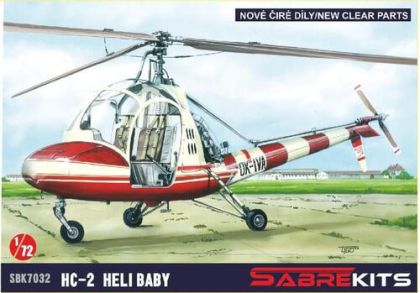
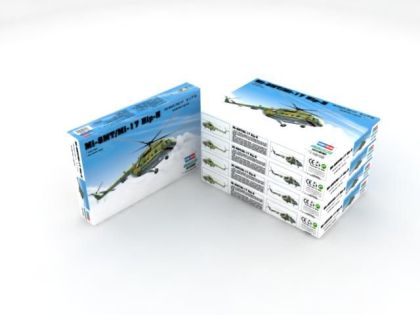
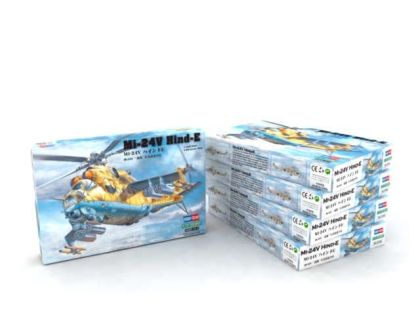
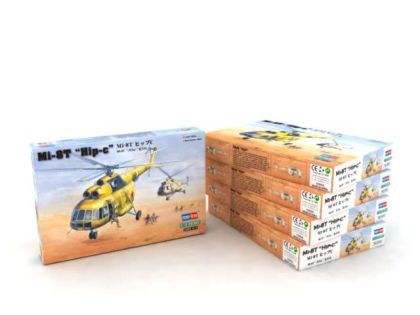
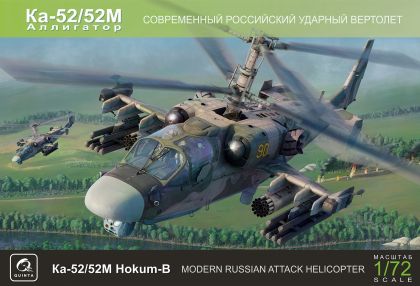
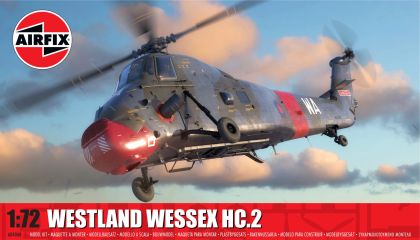
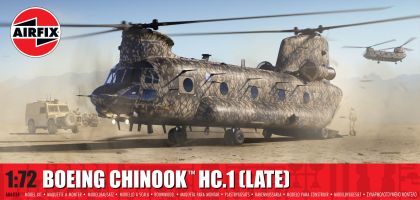
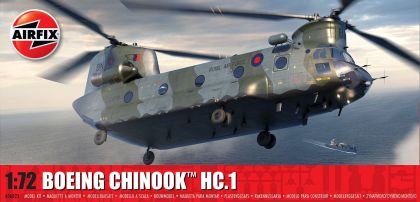
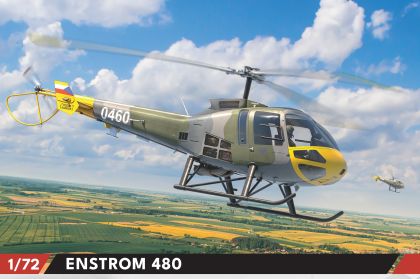
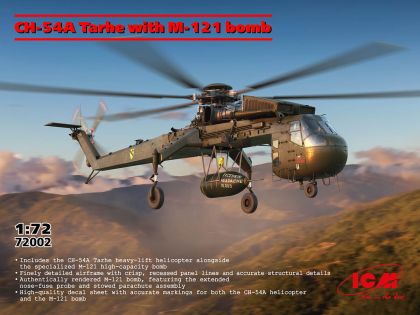
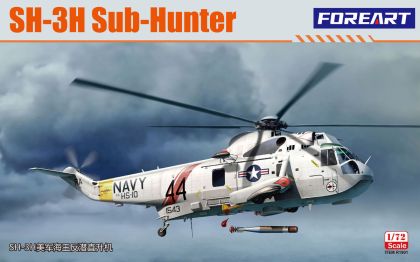
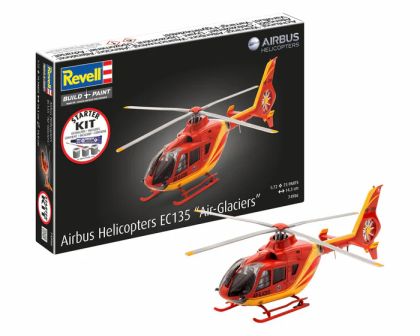
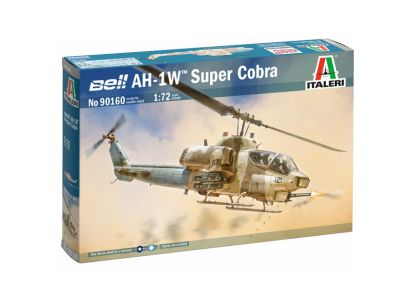
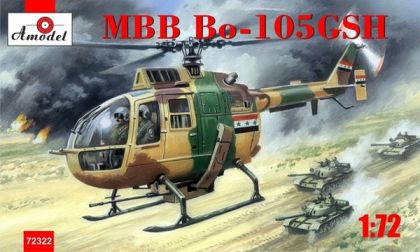
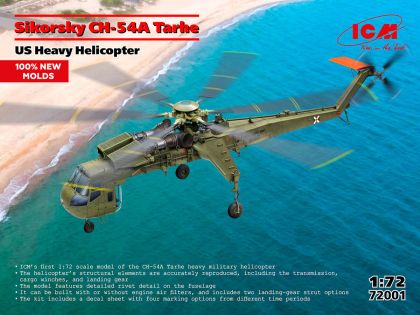
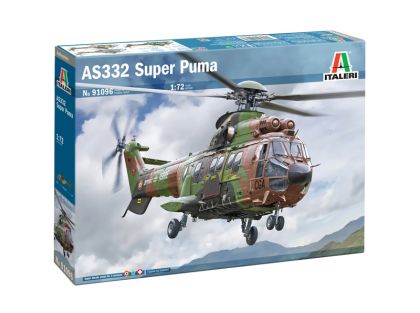
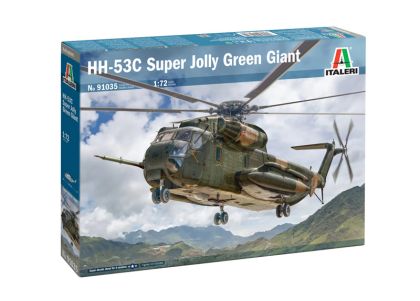
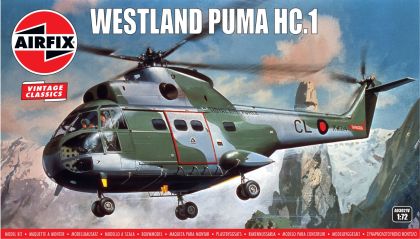
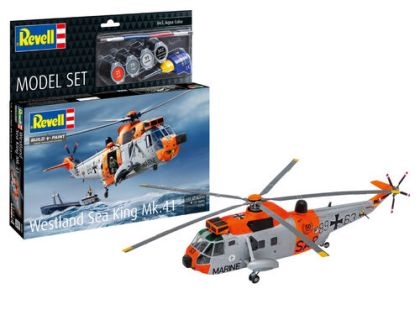
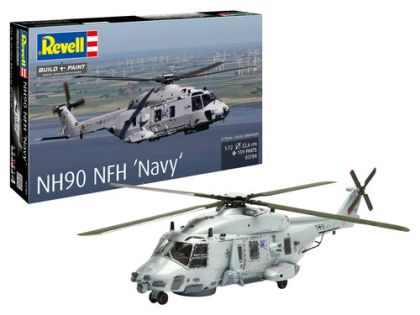
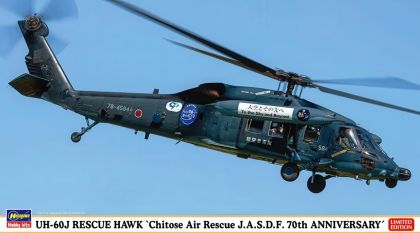
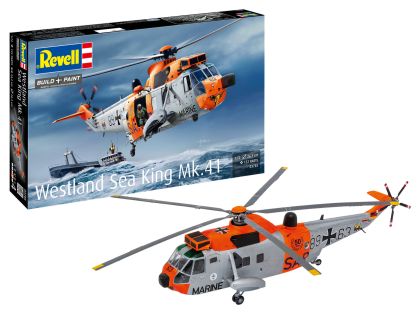
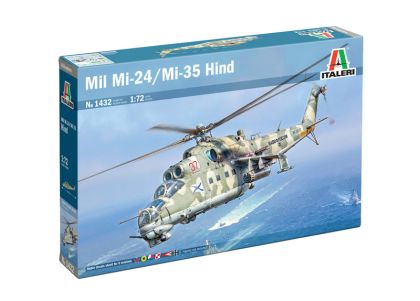
Helicopter model kits in 1:72 carry the largest subject choice of any rotary-wing scale, and for good reason. Seventy-second is compact, kind to a budget and lets a whole squadron share one shelf: heavy Chinooks, naval Sea Kings, the Mi-24 Hind, a rescue EC135, the German NH-90. There are kits here for a first attempt and subjects that will keep an experienced builder honest for weeks on end. How to choose from the line-up is set out under the products.
This is the most widely tooled aviation scale there is, and rotorcraft follow the rule. Kits take little space, use less paint, and new subjects appear here most often. Helicopters also benefit from their real-world bulk: a 1:72 machine is frequently larger than a fighter in the same scale, and a twin-rotor Chinook is still a substantial piece of plastic by any measure.
Boxings sold as starter or model sets include glue, a brush and basic paints, so nothing stands between you and the first seam. Rescue and civil machines usually wear simpler schemes than multi-colour military camouflage.
Heavy transports with detailed rotor heads, naval types with folding blades, or a Hind with full armament will absorb dozens of hours. Photo-etched fretwork and relief 3D interior decals take them further still.
Keep a whole collection in 1:72 and the true size relationships show: next to a Chinook a light Enstrom looks like a toy, which is exactly the point. A collection also grows quickly without a large outlay on any single box, and a shelf of machines in one scale reads as a set rather than an assortment.
Two things reward care at this size. Rotor blades are thin and flex, so handle them by the hub and fit them last; and the tail boom often meets the fuselage on a butt joint that wants reinforcing from inside before the halves close. Get those right and the rest of the build is straightforward.
When you want more detail, the same subjects appear in 1:48 helicopter kits; every size together sits in helicopter model kits.