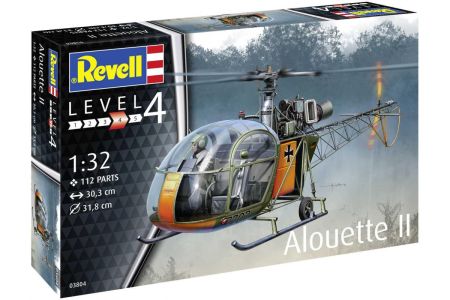
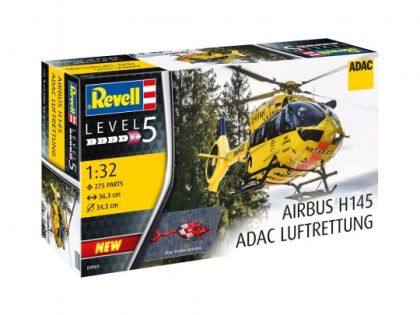
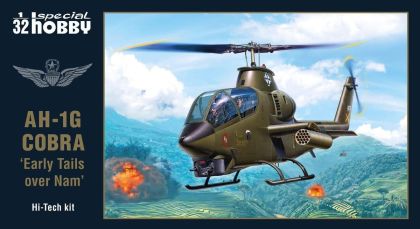
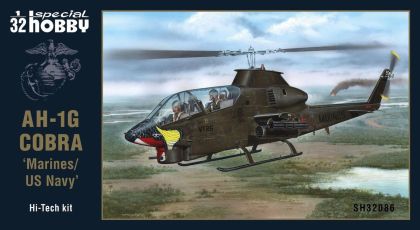
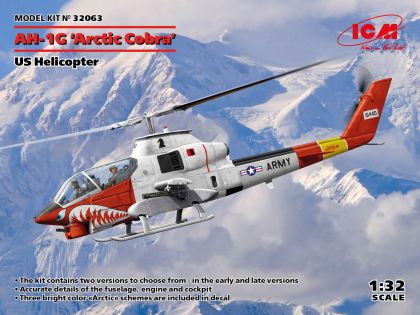
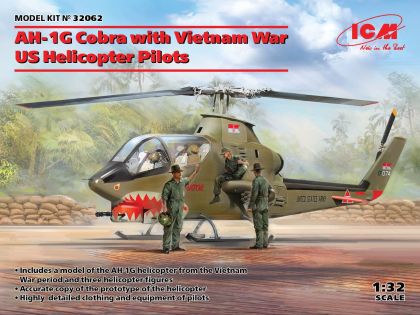
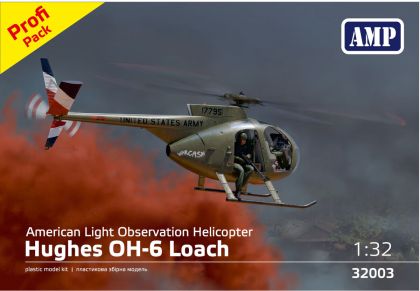
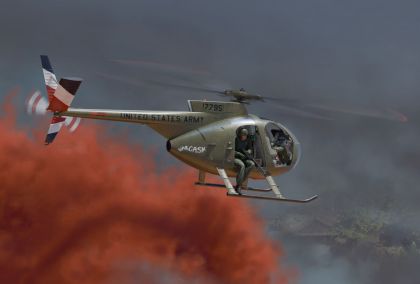
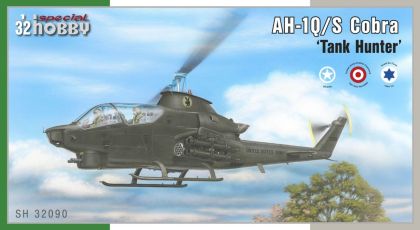
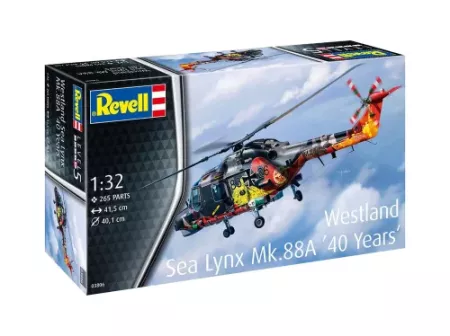
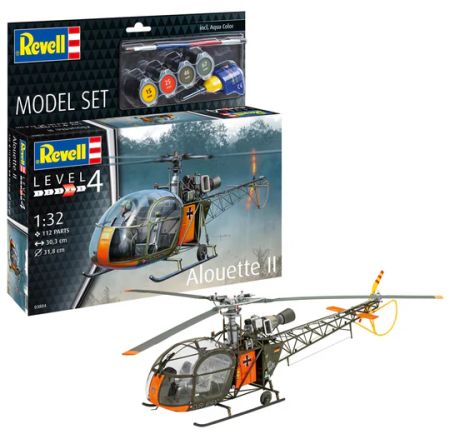
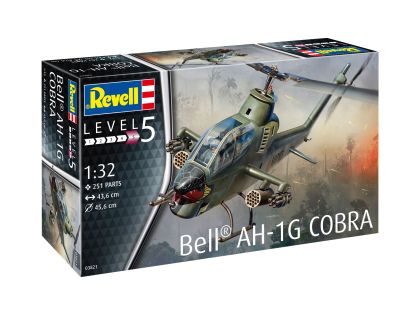
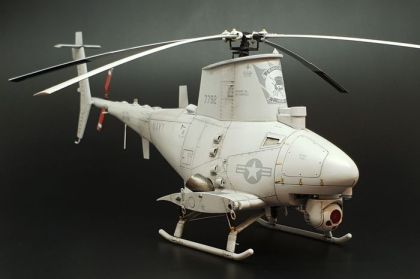
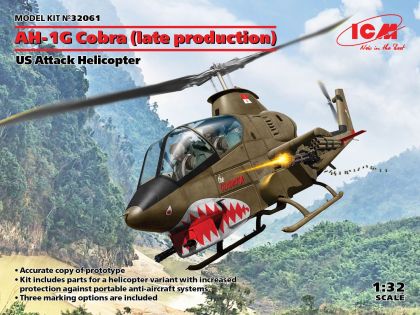
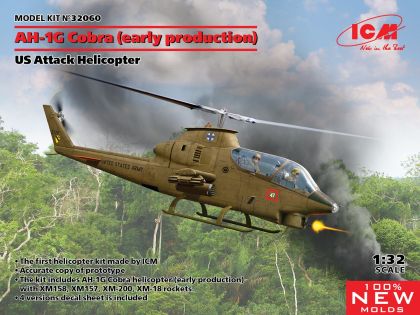
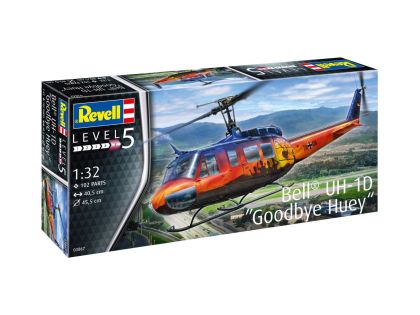
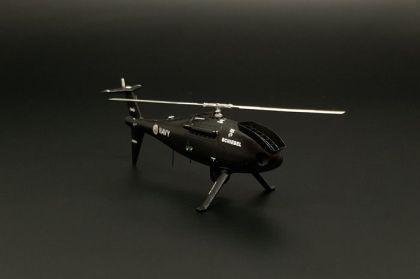
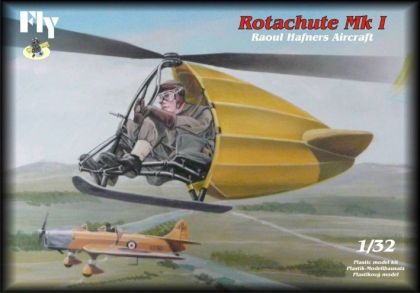
Helicopter model kits in 1:32 trade on sheer size: an AH-1 Cobra here shows every rivet, and the canopy looks straight onto a complete instrument panel. Alongside the Vietnam-era gunships are light types such as the OH-6 Cayuse and the Alouette II, the H145 in rescue markings and unmanned rotorcraft. This is the scale for modellers who want one display piece rather than a filled shelf — the notes below help you pick the right one and plan the painting.
For rotary-wing subjects, thirty-second is the largest size in regular production. Tooling at this size allows open service hatches, engines moulded in the round and interiors that smaller scales fake with printed film. A finished Cobra runs past 40 cm, so budget shelf space before you budget paint. What you get in return is a model a visitor mistakes for a museum exhibit: seat harnesses, legible dials and the texture of non-slip walkways all read with the naked eye.
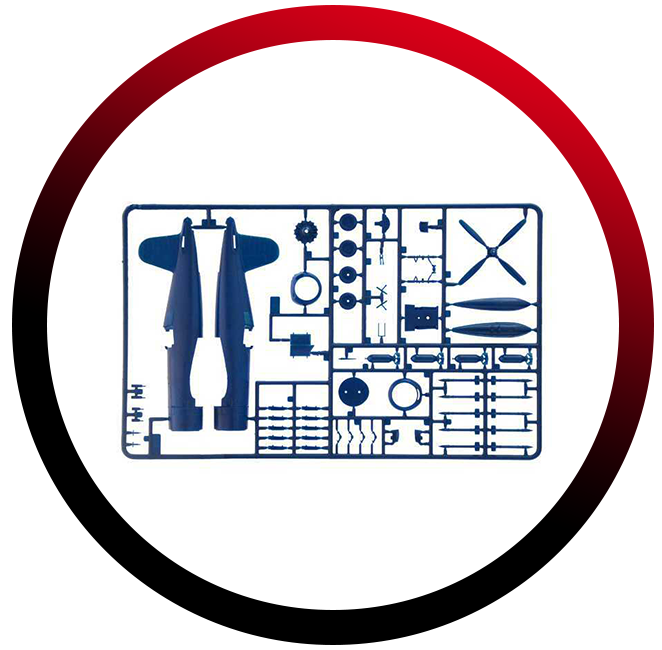
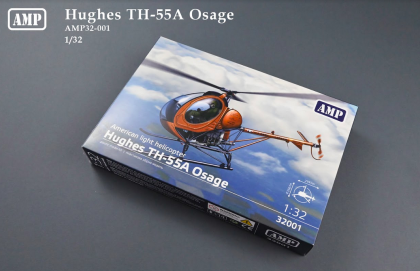
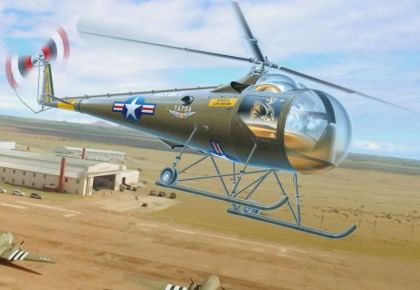
Light types such as the Alouette II or the TH-55 Osage have fewer parts and forgive early mistakes. Gunships with full armament, and boxings that include photo-etched parts — thin brass fretwork for fine detail — assume you have glued small metal components before.
The Vietnam era offers several Cobra variants, including boxings with pilot figures; the modern end runs to rescue machines and unmanned types. A cabinet built round one period looks tighter than a mixture of eras.
Fuselage sides at this size are broad, flat and unforgiving — a hand brush leaves strokes you will see from across the room, and a single heavy coat will bury the panel detail the tooling worked hard to give you. Build in sub-assemblies, spray each one separately and leave the final joining until the paint has hardened.
For comparable detail in a smaller footprint look at 1:48 helicopter kits, or compare every size in helicopter model kits.