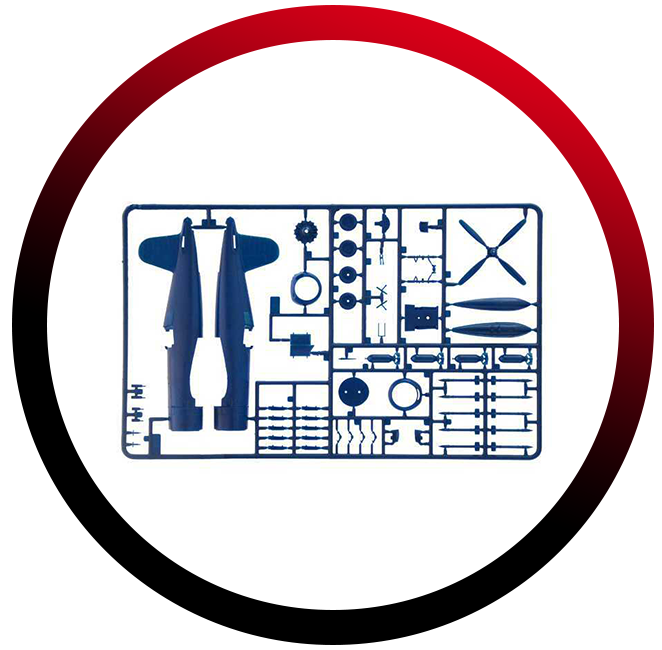
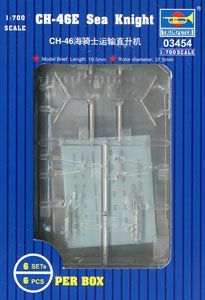
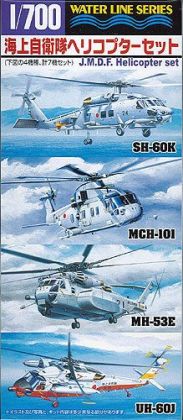
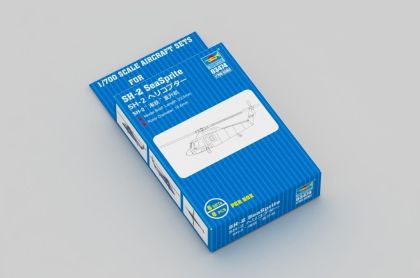
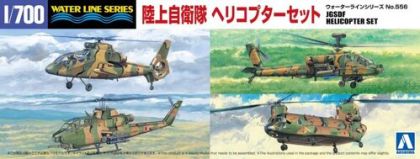
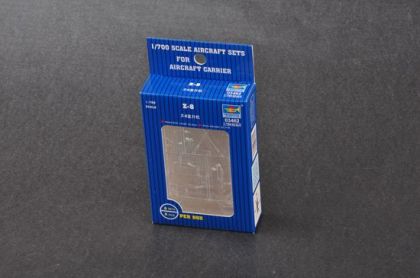
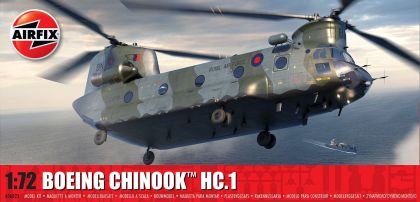
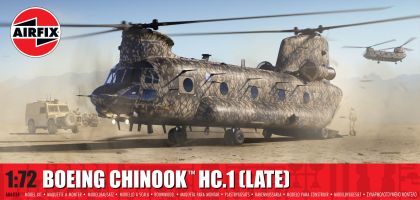
Helicopter model kits in 1:700 complete a fleet in the second common ship scale. Boxings here tend to hold whole flight groups — six Sea Knights, anti-submarine sets, mixed Japanese naval line-ups — so one kit can populate the pads of several vessels at once. Read on for how to match a set to the ships you build, and what equipment makes work at this size bearable. The parts are smaller than a fingernail, and that changes the technique rather more than the subject does.
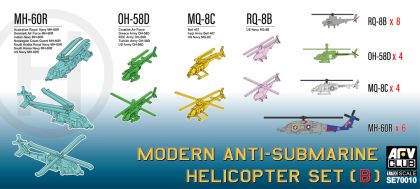
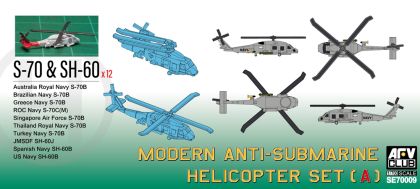
Seven-hundredth is the scale of fleets: hulls are half the length of their 1:350 equivalents and a whole squadron fits one shelf, which is precisely where these sets are aimed. One box usually holds several airframes — sometimes a single type, sometimes a mix, as in modern anti-submarine sets that pair crewed helicopters with unmanned rotorcraft. A machine on the pad is the detail that tells a finished ship model apart from a straight out-of-box build, and the same kits suit harbour and airfield mini-dioramas.
Pick by nationality and period: Japanese naval forces have their own sets, American carrier groups theirs. Mixed boxings help if you are fitting out several classes at once, or want one deck to show ordinary traffic with a few different machines on it.
Airframes in 1:700 are smaller than a fingernail. Expect to work under a magnifier, with tweezers and a brush of size 0 or finer; the reward is a deck that looks like an aerial photograph rather than a row of bumps.
Rotor discs and canopies are the only places where a brush really has to be accurate. Everything else is a single naval grey, so a flight group of six goes through the paint stage almost as quickly as one machine. Leave the airframes on the sprue while you spray the base coat, and touch in the attachment points once they are parted off.
If seven-hundredth turns out too fine for comfort, 1:350 helicopter kits double the detail on the same subjects.