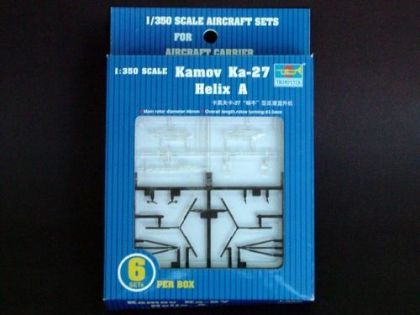
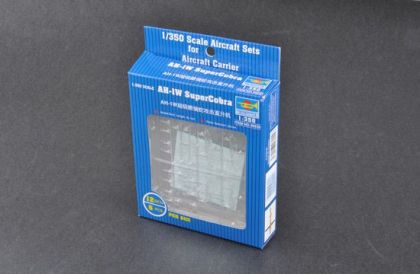
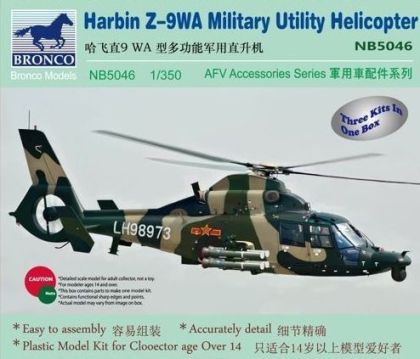
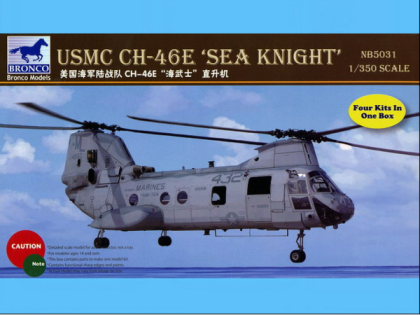
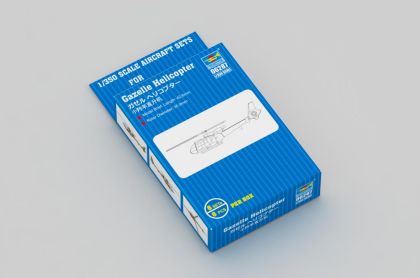
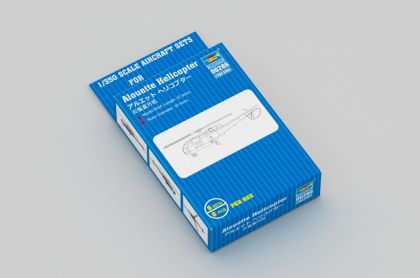
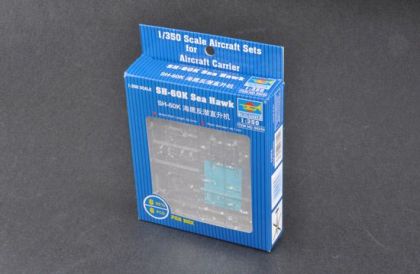
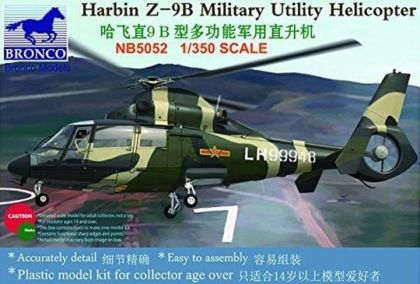
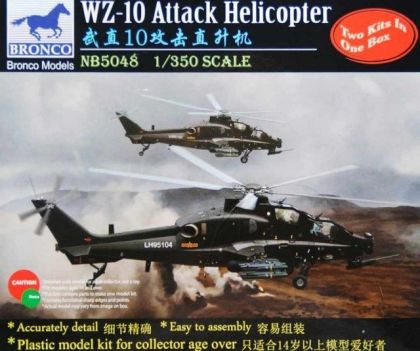
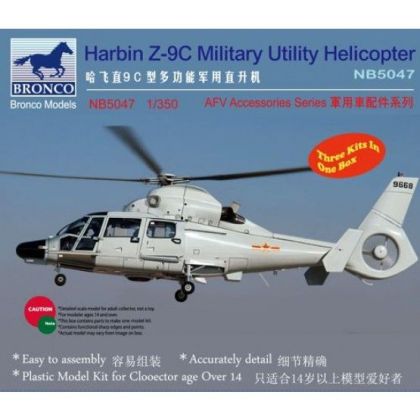
Helicopter model kits in 1:350 exist for one reason: flight decks. This is the scale of large warship models, and a Sea King or an SH-60 parked on the pad is what stops a destroyer looking like an empty hull. Subjects cover American, Japanese and Chinese naval types, and many boxings hold two, three or more airframes, so a single kit can fit out an entire deck party. Below: how to pick a set, and how to handle parts a couple of millimetres across.
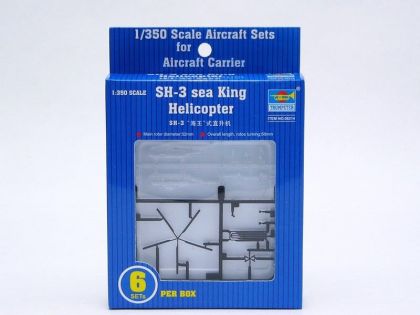
Three-fifty is the world standard for big warship models, and separately sold rotary-wing kits let you park exactly the machines a ship actually carried — anti-submarine Sea Kings, SH-60s, Chinese Z-9 and WZ-10 types. They double as scale reference in harbour dioramas: a figure, a crane and a helicopter in one scale give a scene believable proportions, and they settle the question of what belongs on a pad that would otherwise stay bare.
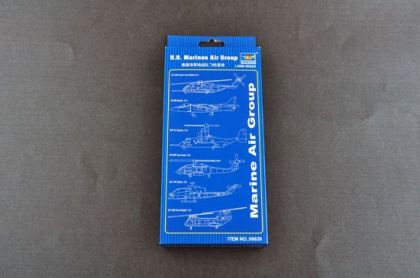
Boxings differ: some hold a single machine, others three or six of the same type. Count the pads you need to fill before you order. Watch nationality and period too — an eighties airframe on a current destroyer is the sort of thing an experienced eye picks up at once.
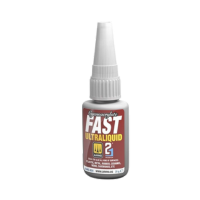
A rotor at this size spans a few millimetres. Use tweezers, part the components with a fresh blade on a hard surface, and glue with the least cyano you can carry on a pin point. Painting is far easier while everything is still on the sprue, with only the attachment points touched in afterwards.
Keep the scheme restrained: at this size one crisp fuselage code does more than three soft ones. A gloss base under the markings and a matt coat over them keeps a tiny airframe looking solid rather than toy-like.
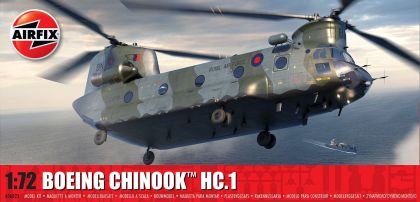
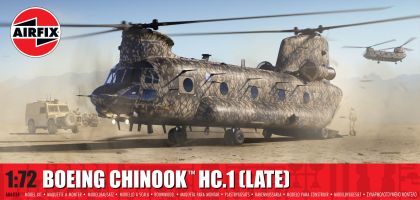
Larger versions of the same naval machines live in 1:72 helicopter kits, handy as a colour-scheme reference while you paint the deck miniatures.