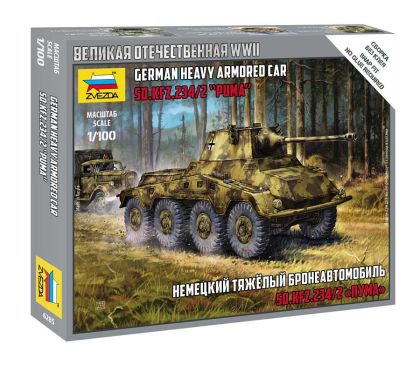
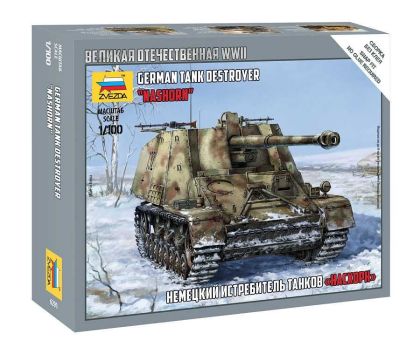
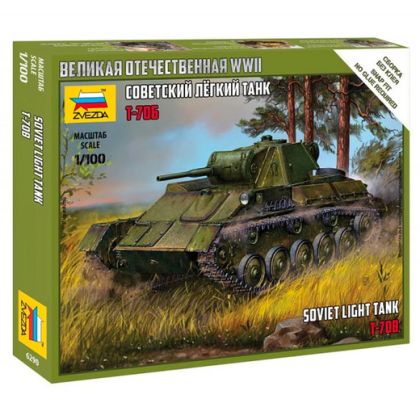
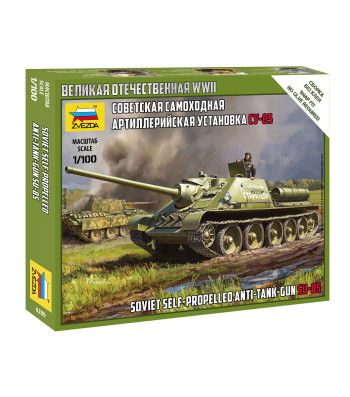
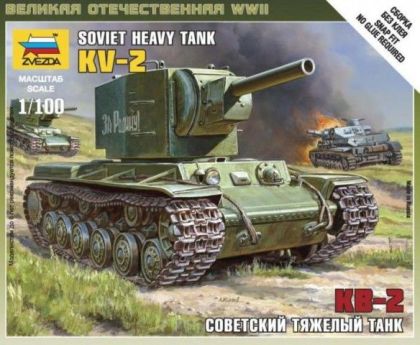
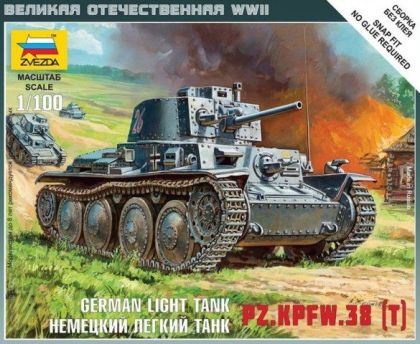
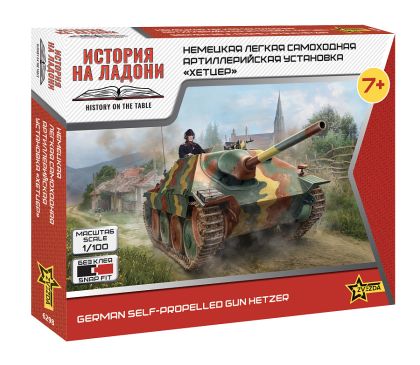
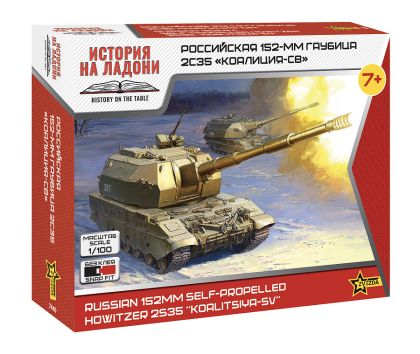
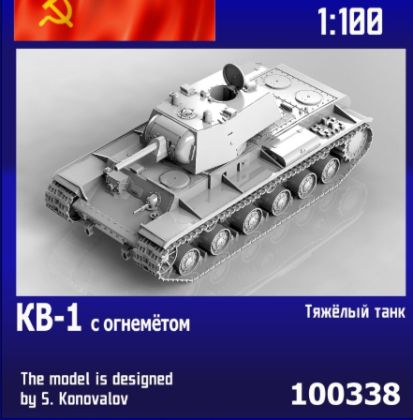
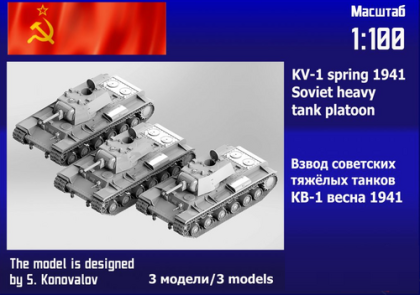
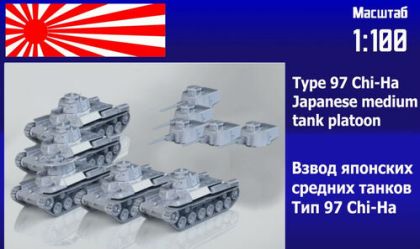
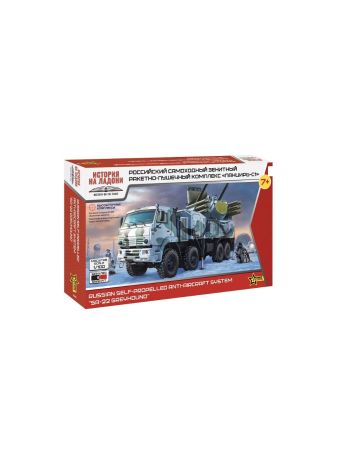
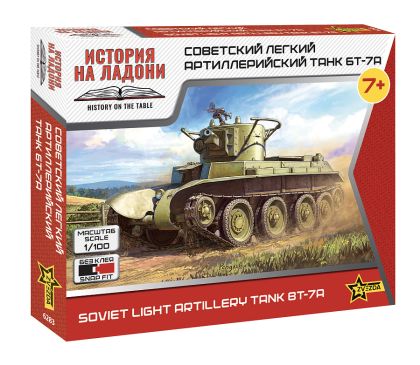
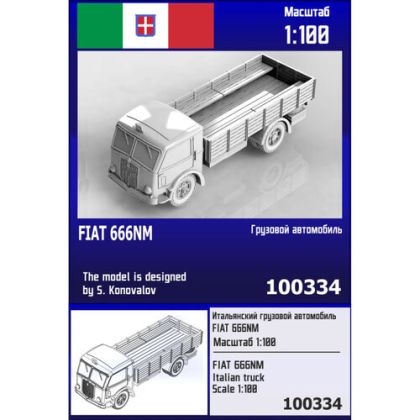
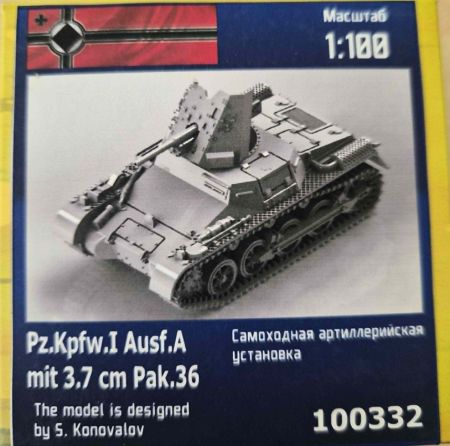
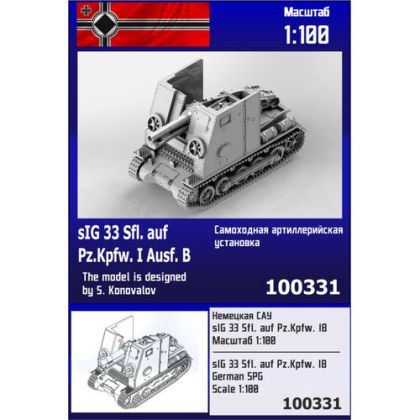
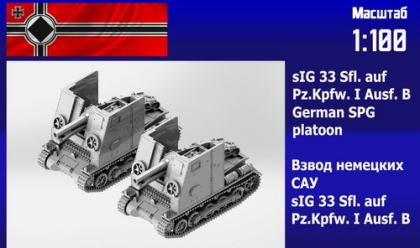
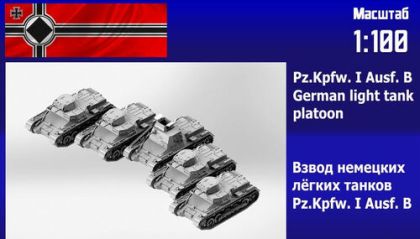
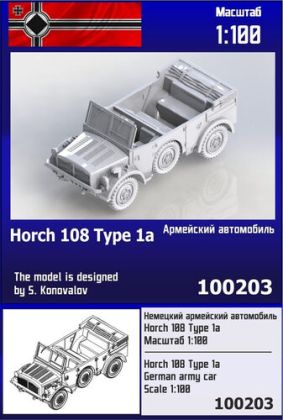
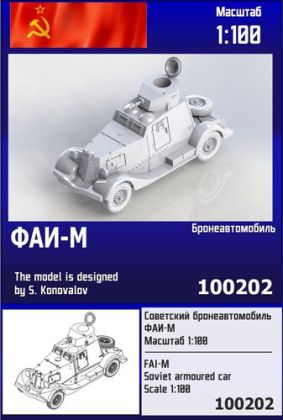
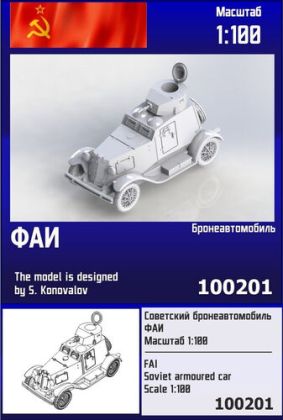
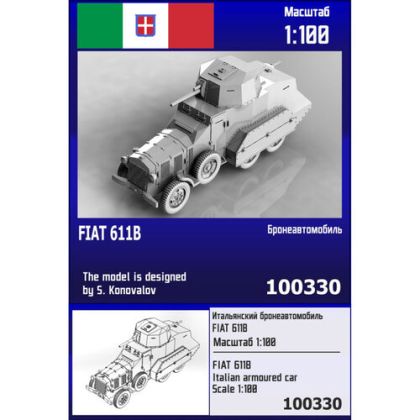
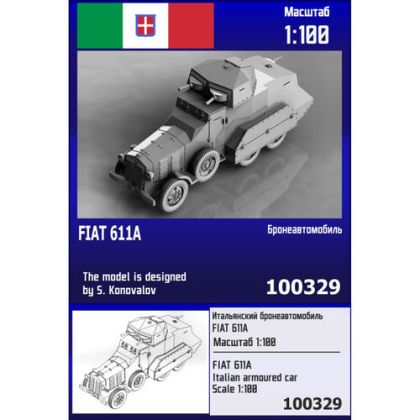
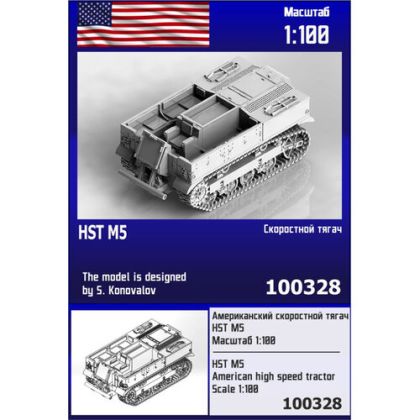
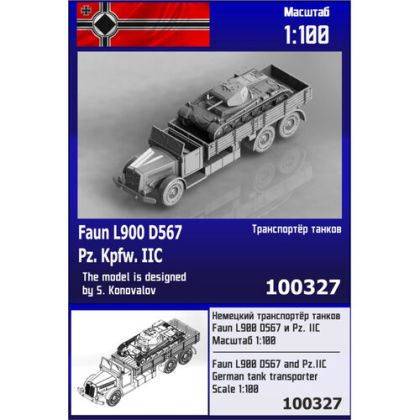
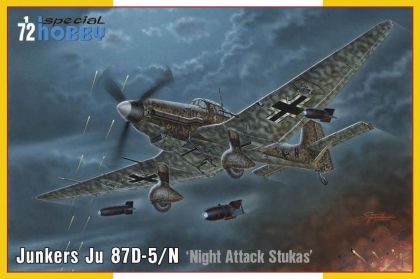
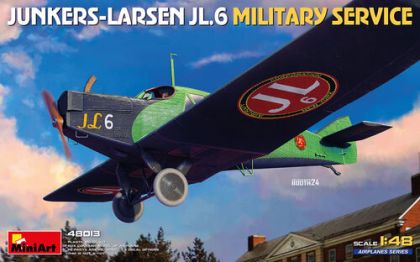
The smaller the tank, the bigger the battle. 1:100 military model kits are the home size of tabletop wargaming with vehicles: a box often holds a platoon of two or three machines, construction is simplified for speed, and the result survives being pushed around a table all evening. Collectors of small oddities hunt here too, from light tanks of the 1930s to current air-defence systems. Below: how to choose, and how to paint a whole army without losing a month to it.
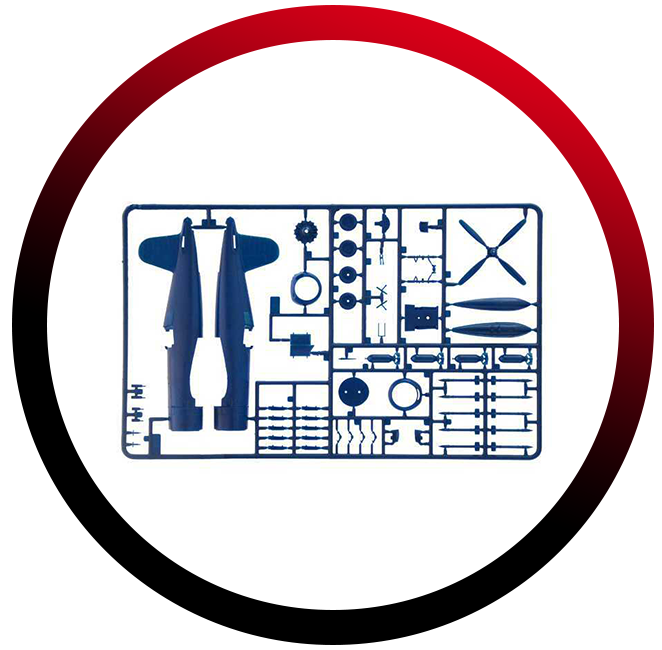
1:100 corresponds to figures around 15 mm, the size wargamers use for battles from the Second World War through to the Cold War. A tank measures five to seven centimetres, kits run to a few dozen parts and some hold together without glue at all. Multi-vehicle packaging means a platoon goes together in a single evening, and because parts are broken down identically, each further machine is faster than the last.
For the table, pick sets with fewer parts and no fragile aerials or mirrors. Kits with optional parts are practical, since one box can be built as several versions of a machine to suit an army list.
1:100 also carries subjects you will not find elsewhere, such as interwar light tanks or current missile systems. Collectors should finish a machine with markings; the options sit in military decals for other scales including 1:100.
Paint an army in batches: base coat from a rattle can or airbrush, details with a brush, then a dark wash to pick out the recesses. Three steps and the unit is on the table. Seal finished machines with matt varnish so constant handling does the paintwork no harm.
Want something smaller still for a cabinet? See 1:144 military model kits, and the full catalogue through the military model kits overview.