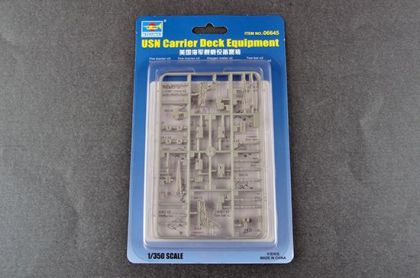
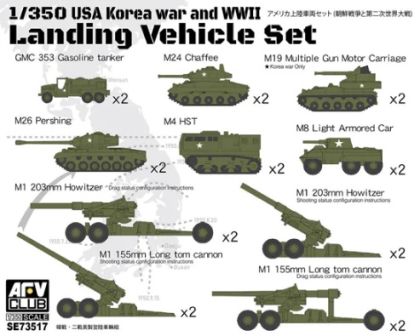
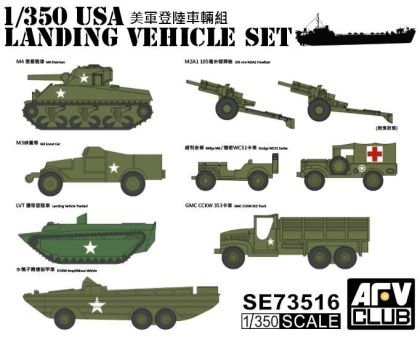
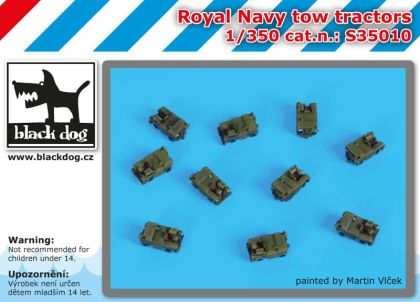
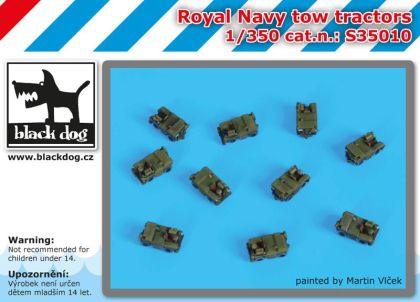
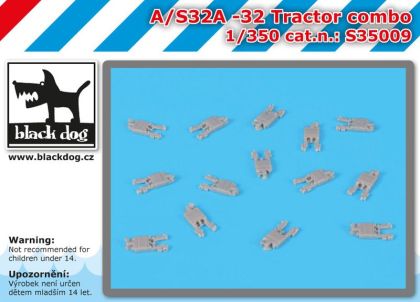
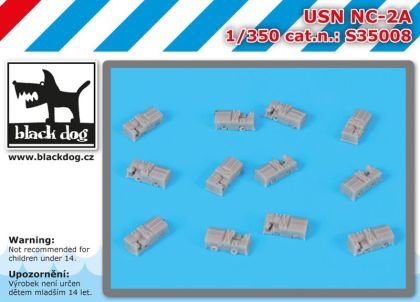
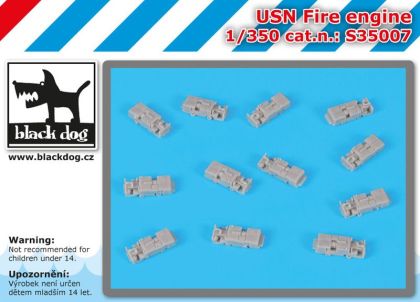
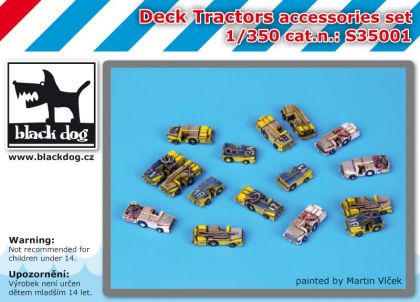
Flight decks are busy places, and 1:350 military vehicle sets are what fills them: deck tractors and tow tugs, crash tenders, starting carts, amphibious landing vehicles and coastal anti-aircraft turrets. These are small multi-part sets, usually etched brass or finely printed resin, made above all as company for warships built in the same size. A tug here measures barely 15 mm, so sets normally come several vehicles to a pack. Below: how to handle parts that small, and what turns a bare deck into a scene from a ship at work.
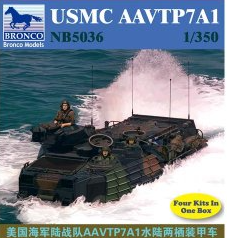
1:350 belongs to warships, so the vehicles offered in it serve ships first. Deck tractor and service vehicle sets bring a flight deck to life, amphibious tracked carriers populate a landing scene, and coastal anti-aircraft turrets work as a standalone shore-battery vignette. Because a tug is about a centimetre and a half long, makers reach for etched brass and high-resolution printing rather than injection moulding, and pack several vehicles together.
Which vessel are you building? An American carrier operated a different park of deck equipment from a British one, and a modern deck looks nothing like a wartime one. Pick sets by navy and period to suit the 1:350 ship model kits on your bench.
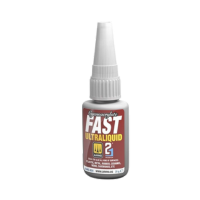
Fold etched brass against a steel rule using smooth-jawed tweezers, and apply cyanoacrylate with a pin rather than straight from the bottle. Wash printed and resin parts in warm soapy water before painting; release agent is the usual reason paint refuses to key.
Vehicles only read as vehicles in context. A handful of 1:350 figures around a tug turns a static hull into a snapshot of a ship on duty, and it costs you a single evening.
Paint these vehicles while they are still on the fret, or stuck to a strip of double-sided tape; holding a 15 mm tug between finger and thumb is how parts end up in the carpet. Ground machines in sizes you can comfortably build sit in the military model kits overview, which runs from 1:144 up to 1:6.