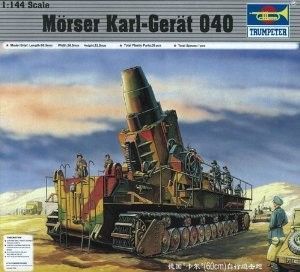
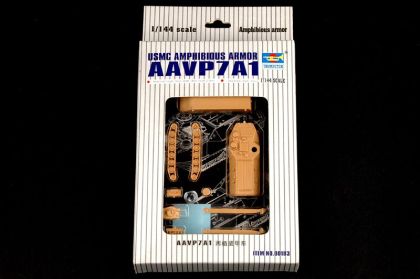
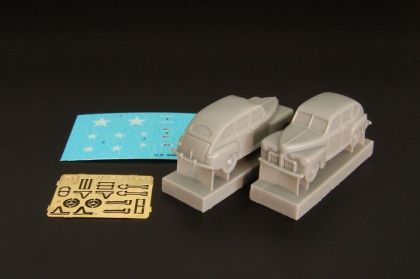
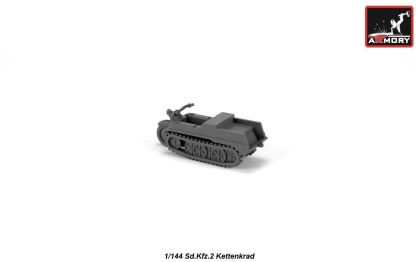
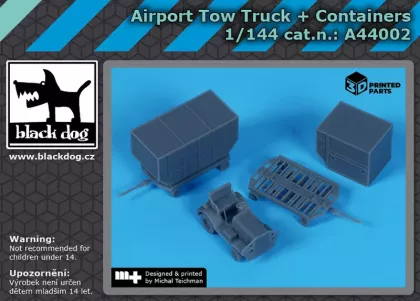
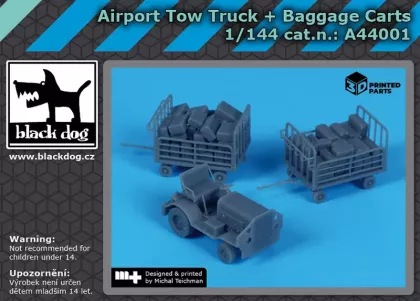
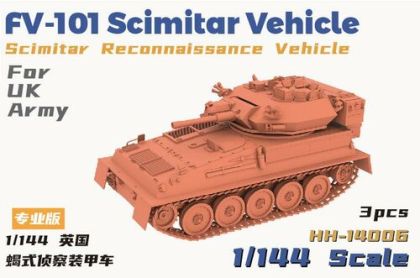
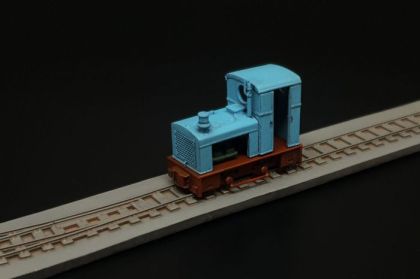
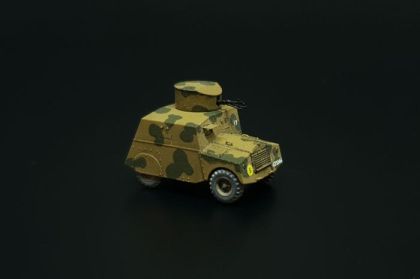
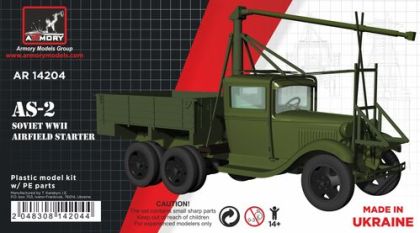
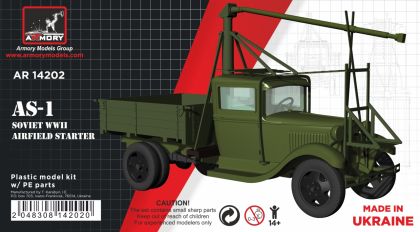
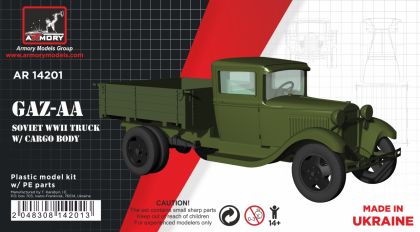
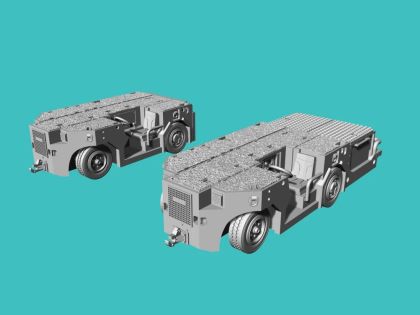
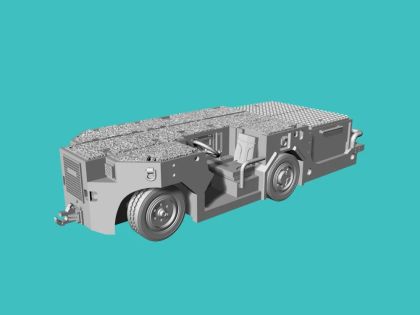
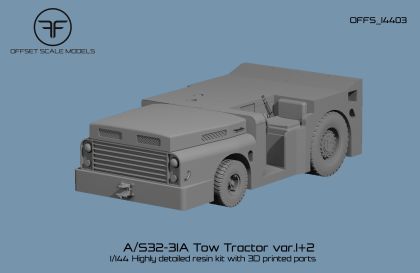
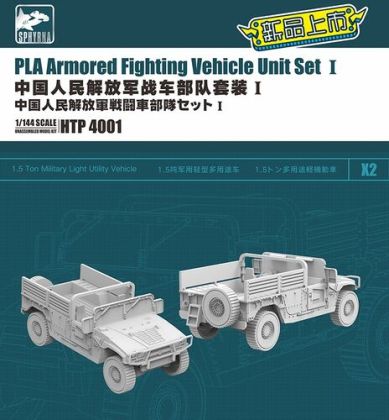
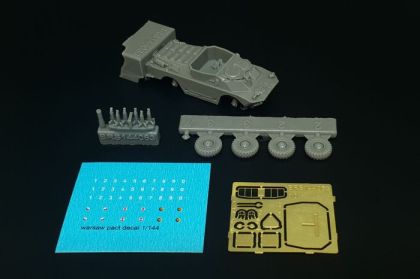
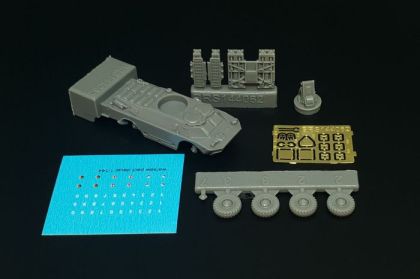
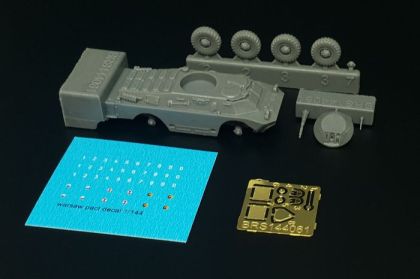
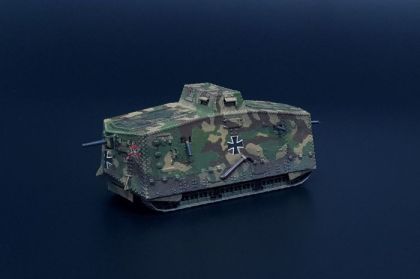
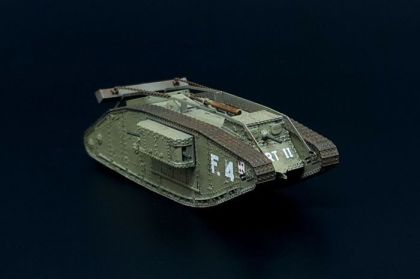
The smallest machines, with a surprising amount of detail, are what 1:144 military vehicle kits deliver. A tank here is about four centimetres long and you can still identify the suspension type and the armament, while airfield tugs and starting vehicles in this size finish off a 1:144 aircraft collection properly. Subjects range from Soviet lorries through reconnaissance vehicles to modern missile complexes. Below: how to choose these miniatures, how to build them and how to show them.
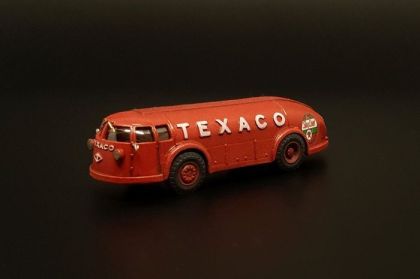
1:144 was made famous by collectors' aircraft ranges, and ground equipment joined them as the logical companion: fuel tankers, starting units on lorry chassis, carrier deck tugs. Standalone armoured vehicles appear too, from reconnaissance cars to air-defence systems, often in short-run resin or 3D print that no other size covers. Anyone who falls for miniatures finds years of subjects here, with space requirements a flat can actually accommodate.
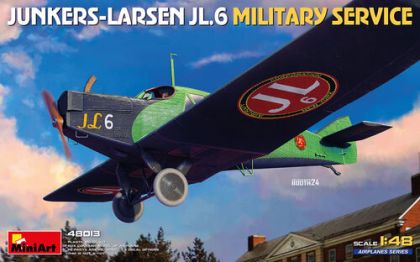
If you build 1:144 aircraft model kits, reach for service vehicles in the same size: a starting vehicle at the hardstand, or a tug with an aeroplane on a deck, turns a row of aeroplanes into a working airfield.
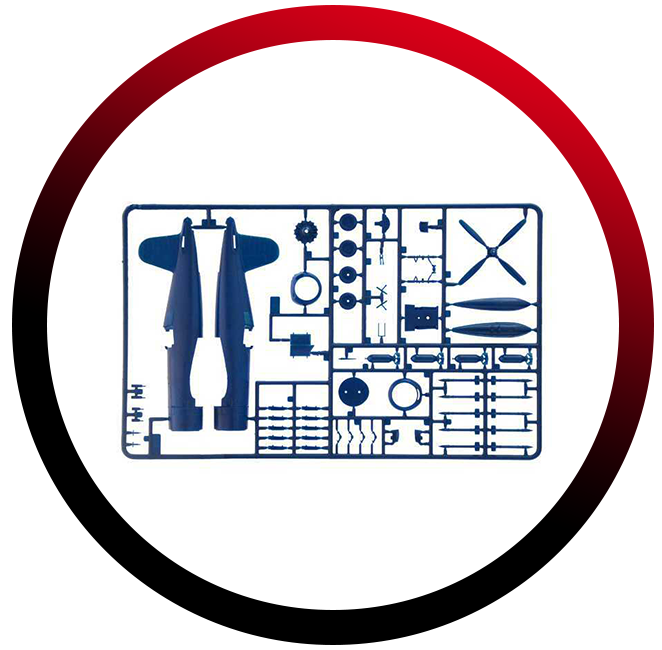
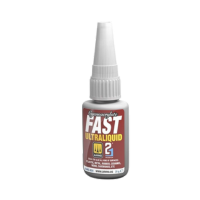
Glue resin and printed parts with cyanoacrylate, and wash them free of release agent first. Tweezers and a magnifier are equipment, not weakness; aerials and mirrors here are a fraction of a millimetre across.
Miniatures work best in groups. A line of vehicles on a shared base with a caption reads like a museum case and takes up no more room than a single box. A closed display case keeps the dust off, because nobody enjoys dusting a four-centimetre tank.
Larger sizes and hundreds of further machines are listed under military model kits.