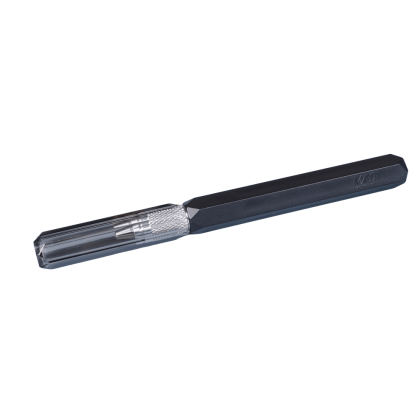
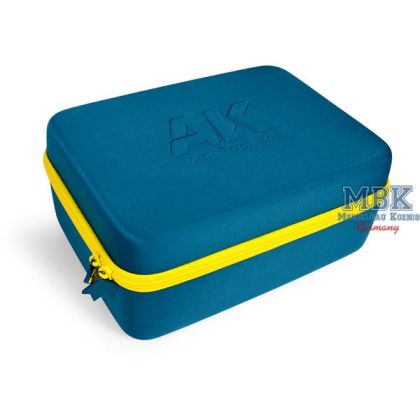
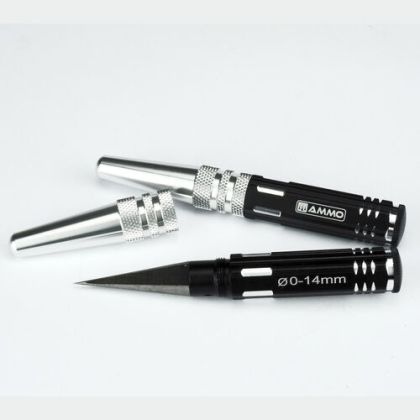
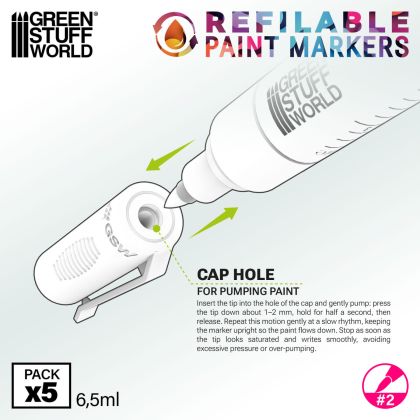
Some aids fit no main group and yet get used almost constantly. This is where they live: separators for parting cemented assemblies and broken pins, sanding sliders with an adjustable angle, test cards and discs for spraying a shade before it touches a model, interchangeable handles that take several tips, tools for marking out and erasing panel lines, punches for clean holes, holders, and cases that keep a bench kit together. Nothing here is glamorous, and yet a separator or a panel line eraser usually gets used more often than the tool you were proud of buying.
It is a collection of specialists, each solving a situation you would otherwise improvise around — and improvisation is behind most damaged parts.
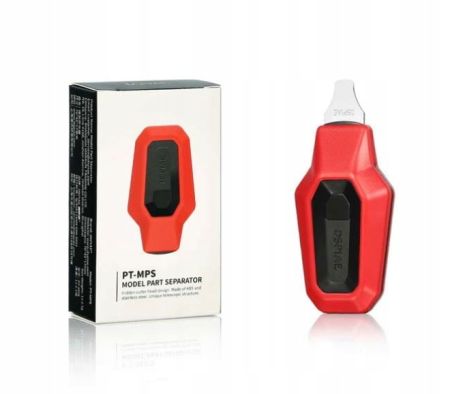
A wedge-shaped tool that opens an already cemented joint or parts fuselage halves without levering a screwdriver into them. Irreplaceable on repairs and on taking apart a model you built sooner than you should have.
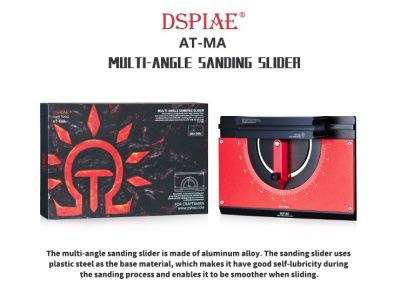
Jigs with an adjustable angle that take a sheet of paper or a sponge pad. They hold a true plane, so an edge is not rounded off — precisely what the hand cannot do. The consumables for them are in abrasive papers.
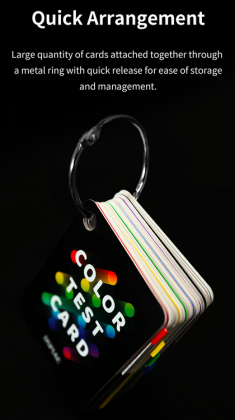
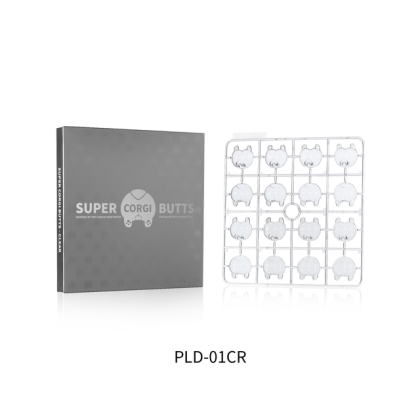
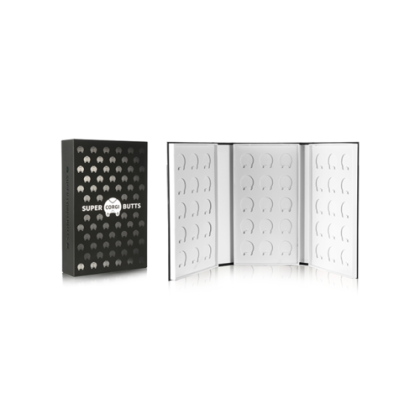
A small thing that saves a lot of disappointment. Spray the shade onto a card first, check its density and sheen, and only then aim at the model. Cards can be filed and become a personal reference for the bottles in model paints.
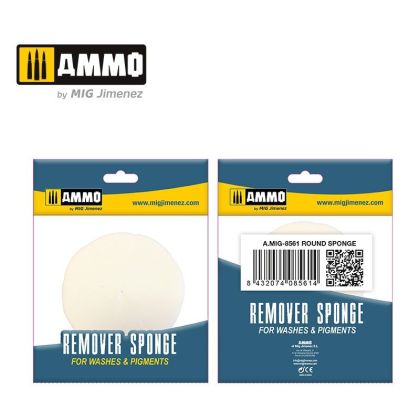
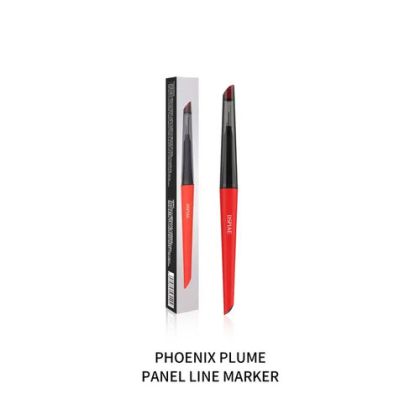
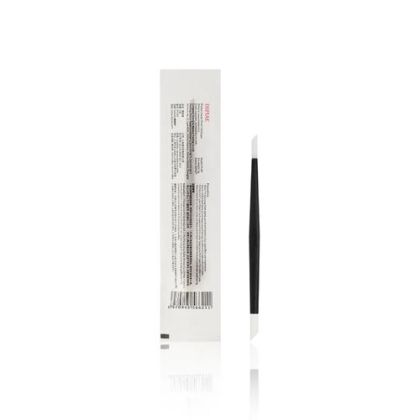
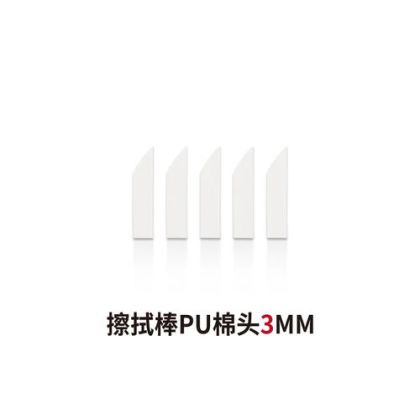
Tools for marking a line out and, above all, shaped erasers that lift surplus wash exactly along a groove without smearing the area beside it. Standard equipment for anyone who takes panel lines seriously, and a direct follow-on from scribing and panel lines.
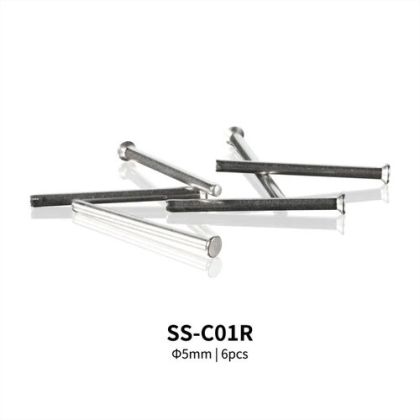
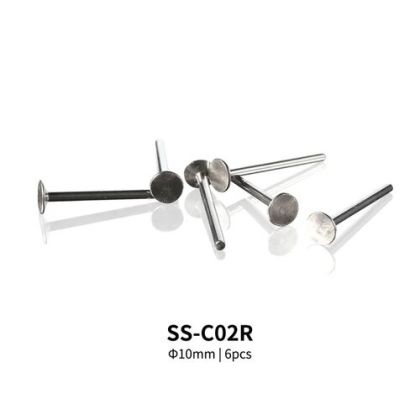
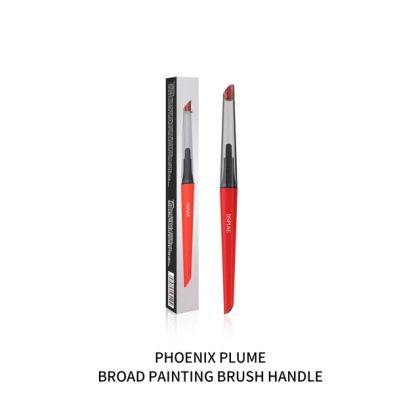
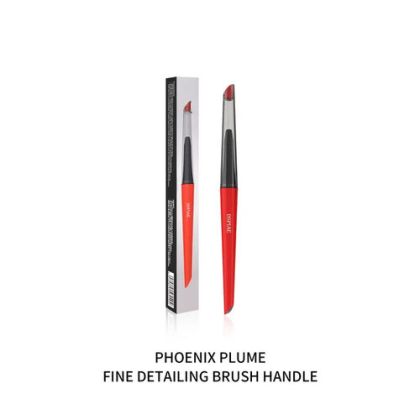
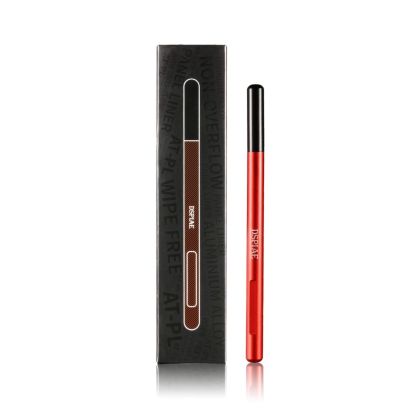
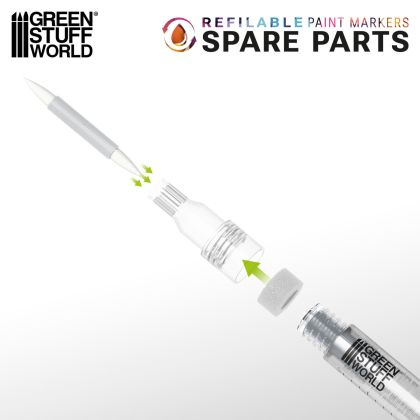
A punch produces a circular hole or a shape with no ragged edge. Interchangeable handles let one comfortable grip serve several tips and brush heads. And a case or an organiser keeps a kit together, so you are not hunting for a file under the bench.
If you are after a complete starting kit rather than individual specialists, look at tool sets.