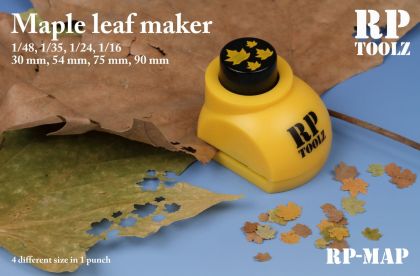
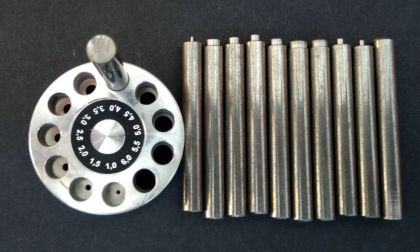
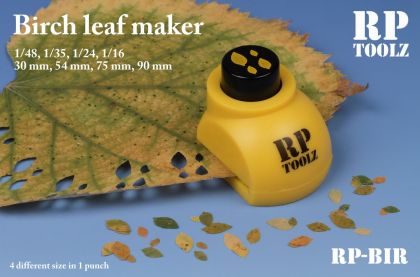
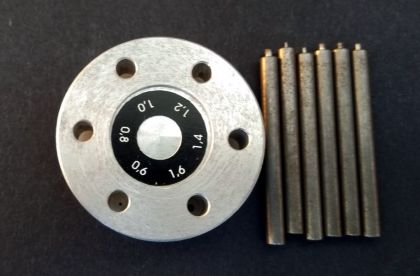
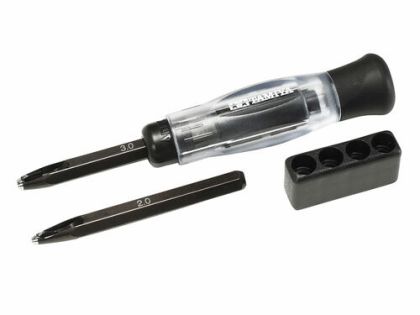
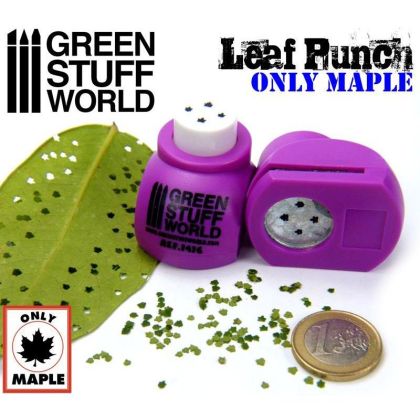
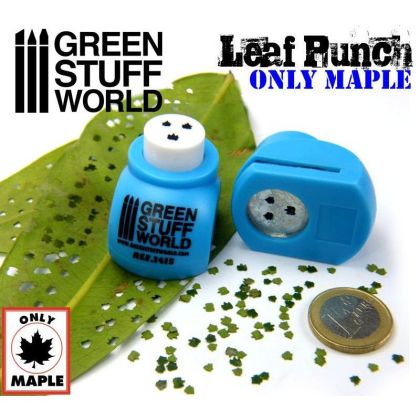
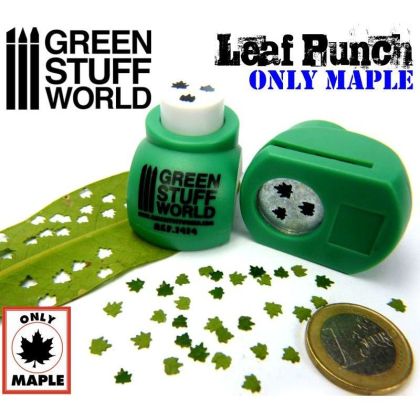
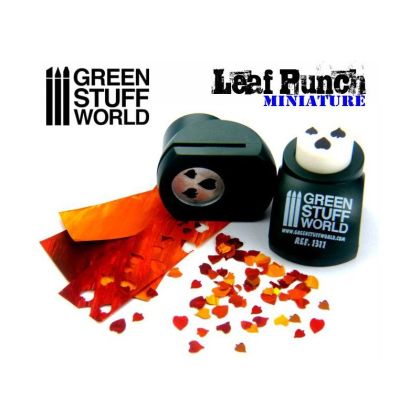
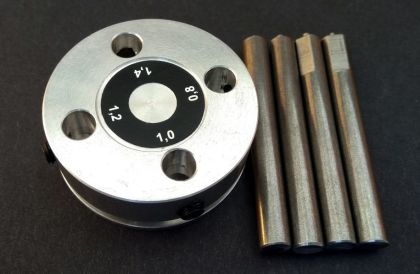
Punch and die sets stamp an exact shape out of thin material in a single press. Most of them are circular punches in graduated diameters that produce a clean hole or disc with no ragged edge. Beyond those are hex punches for imitating nuts and bolt heads, and shaped cutters that stamp leaves and foliage out of thin material for diorama vegetation. The appeal is not the first piece but the twentieth, which comes out identical to it. Which set you want is decided by the diameters and shapes you keep needing twice, not by the number of punches in the case.
Because the result is always the same. A disc cut freehand has an irregular edge and no two are alike, whereas a punch produces an exact copy every time. As soon as you need several identical parts — hatches, washers, rivets, nuts, leaves — it is the only sensible way to reach a result that looks manufactured rather than hand-made.
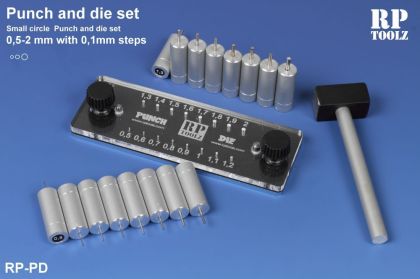
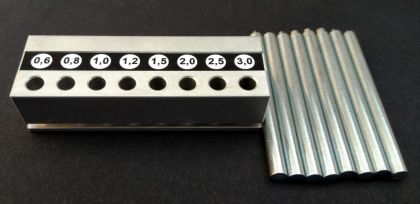
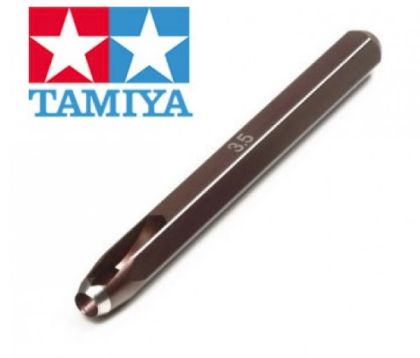
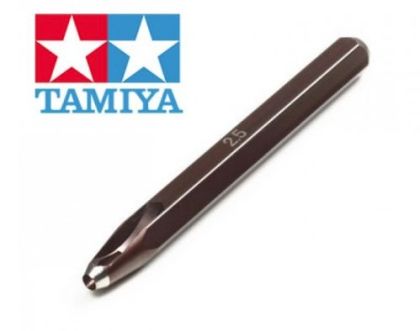
A set of graduated punches with a matching die plate. They are used to make discs from styrene sheet and film, to stamp an accurate hole in thin material and to produce washers. Combined with masking tape they give you circles for masking round areas.
These produce a regular hexagon that becomes a bolt head or a nut. It is a cheap way to add a run of fasteners in one consistent size, and the result reads far better than a drop of glue or a painted dot.
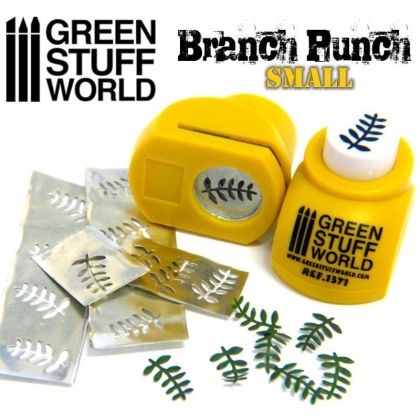
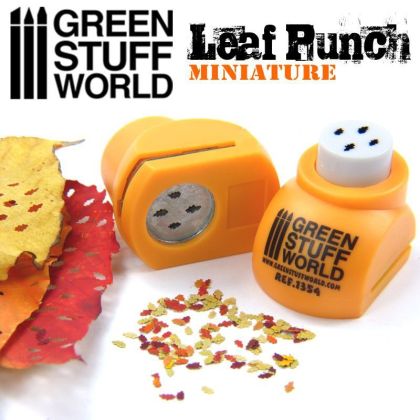
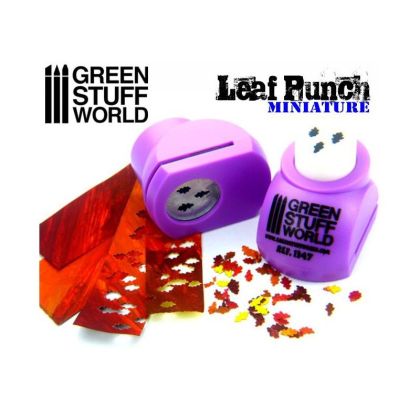
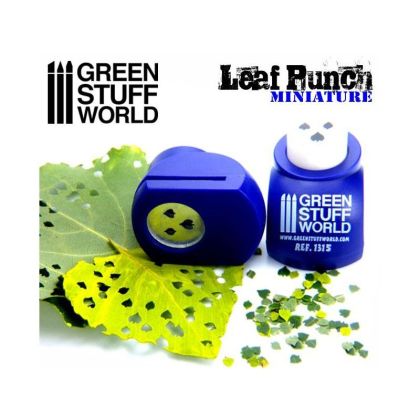
These stamp leaf shapes, needles and small foliage out of coloured paper or film. Their territory is the diorama, where one press produces material that would take hours to cut by hand. They follow on from diorama accessories.
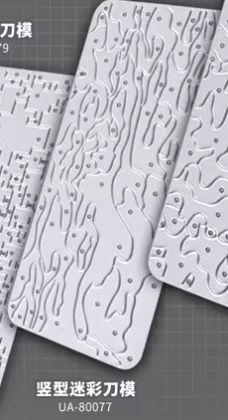
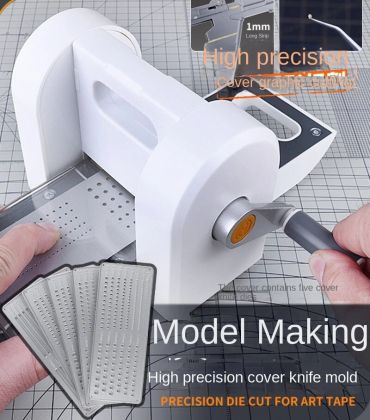
A jig with interchangeable dies that stamps an exact shape out of masking tape or film. It is used when masking repeated elements, where hand cutting would never give the same result twice.
The material has to lie on a flat, sufficiently hard surface. Apply the pressure vertically and smoothly rather than as a sideways blow — a tilted punch makes an oval hole and blunts itself doing it. On harder materials it helps to back the work with a solid plate and repeat the pressure. Check the edge afterwards and refine it if needed with a tool from sanding.
If the hole belongs inside a part rather than in thin sheet, drilling and milling will be quicker.