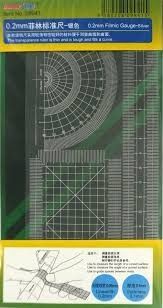
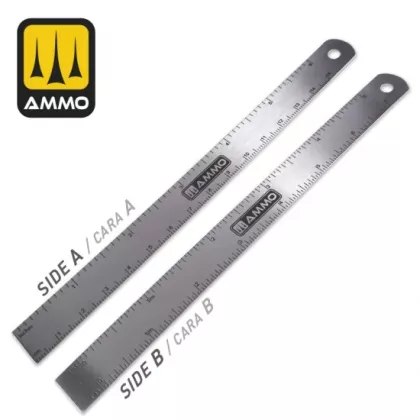
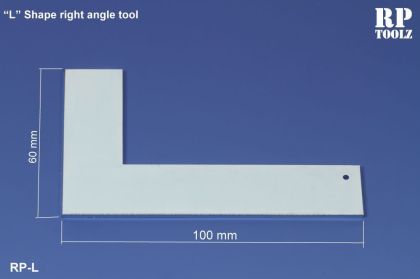
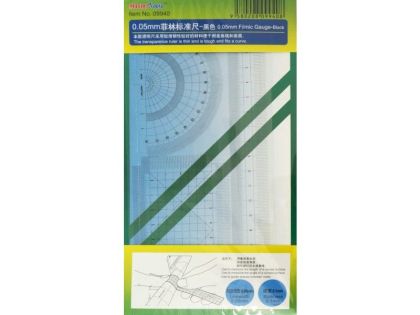
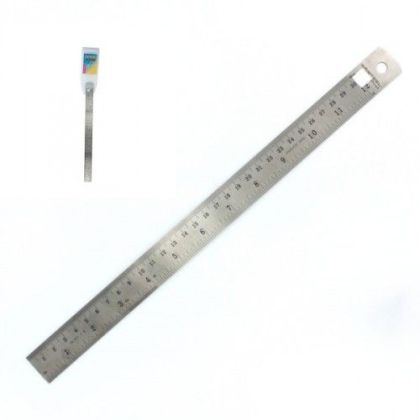
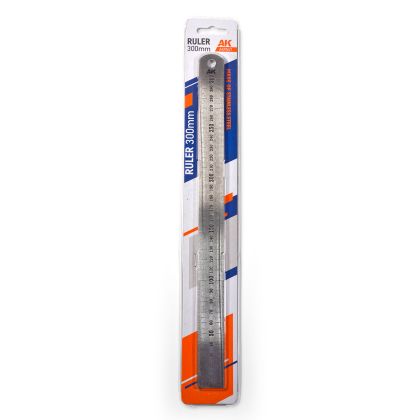
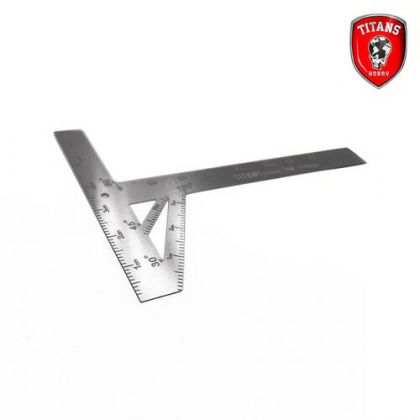
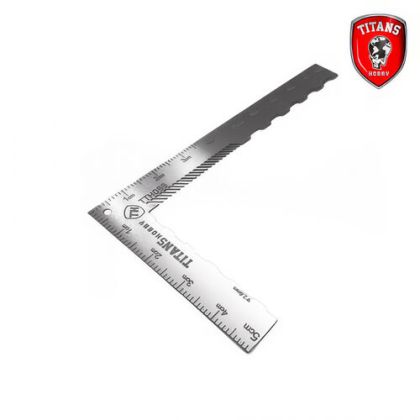
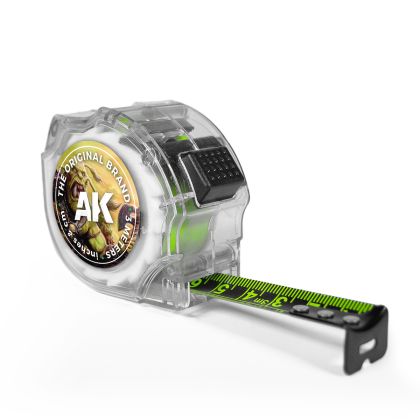
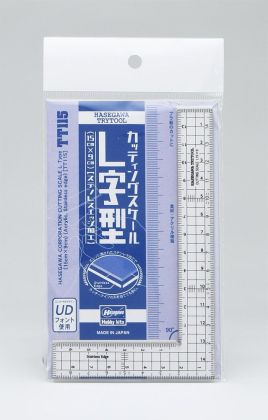
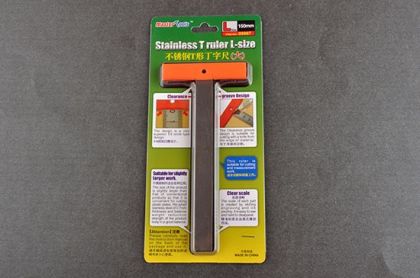
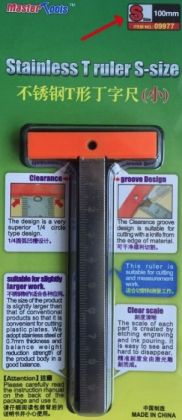
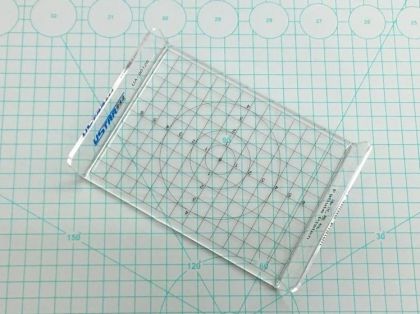
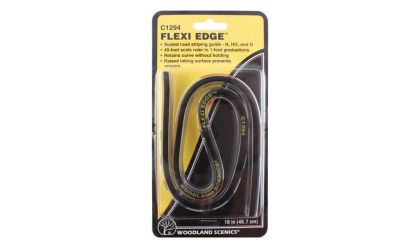
Measuring turns out to be a surprisingly frequent job on a model, and modelling rulers are built for it differently from stationery. A steel rule guides a blade and will not be cut into, a T or L square holds a right angle for you, scale rules convert a real dimension straight into 1:72 or 1:35, and calipers with a vernier or dial read the tenths of a millimetre the eye cannot judge. Calipers also settle the arguments a tape measure cannot: whether two parts that should match really do, and whether a drilled hole takes the tube you intended.
Far more than you would expect. The length of a styrene profile before it is cut, the depth of a hole, the diameter of a tube, rivet pitch, the height of a figure against a doorway, the width of a masking strip. And above all, whether two parts that are meant to be symmetrical really are the same.
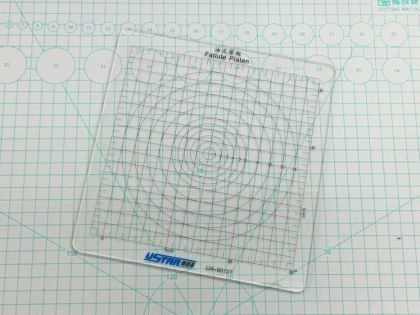
Hard metal resists a blade, so the rule doubles as a guide edge for cutting. T and L shapes add a reference against the edge of a part, so a right angle comes for free with no marking out. They pair well with cutting mats, which carry a grid of their own.
These carry scales for individual modelling ratios, so a real dimension in metres is read directly in model millimetres. They are used in scratch building, in checking proportion, and in placing figures and accessories on a diorama.
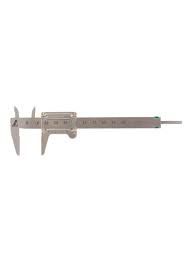
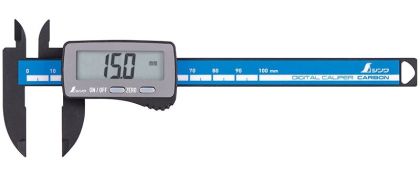
Accuracy to tenths and hundredths of a millimetre. Irreplaceable when drilling to fit, when choosing the diameter of a tube or a wire, and when checking that a brass fret really is the thickness you are counting on. They belong with scratch-building materials, where diameters decide everything.
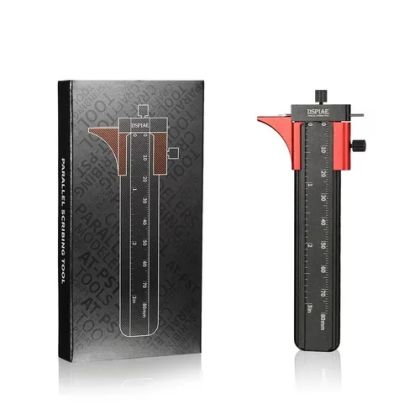
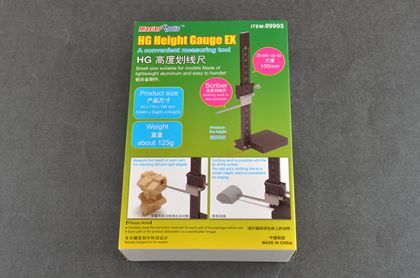
These hold a scribe at a constant height above the bench, so a continuous line runs right around a part. That is exactly what is needed when marking a cut line around a fuselage or setting out a plane for a conversion.
Once measuring turns into dividing material, circle cutters follow on and carry that accuracy into a shape.