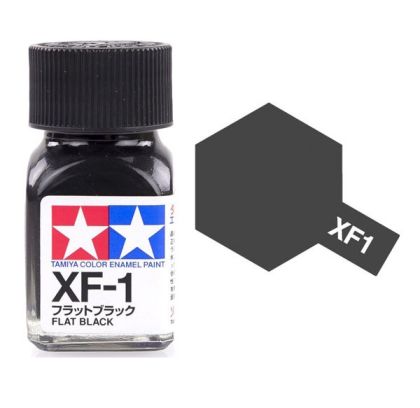
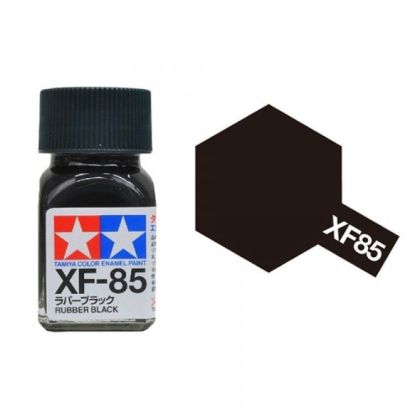
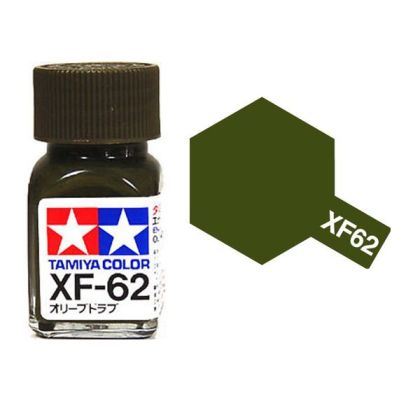
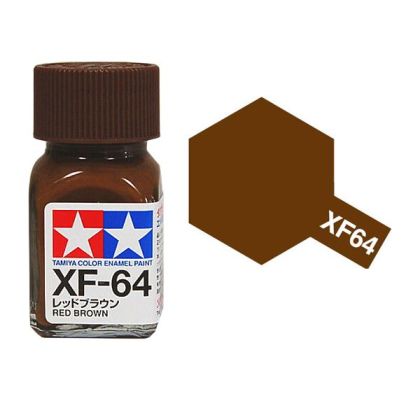
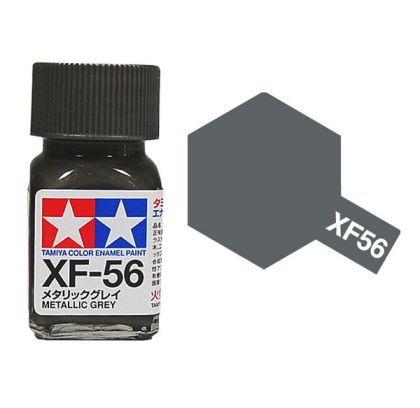
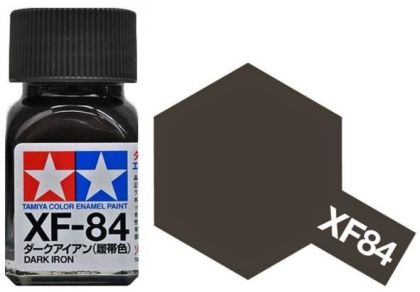
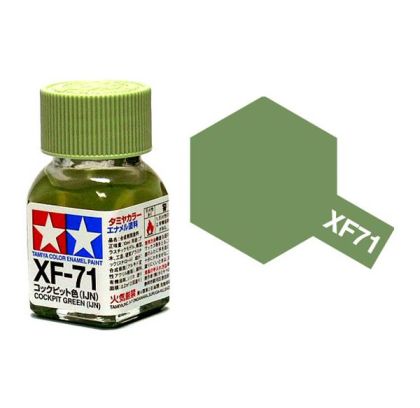
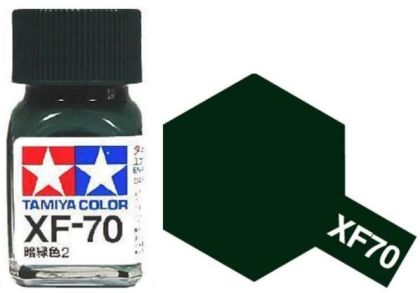
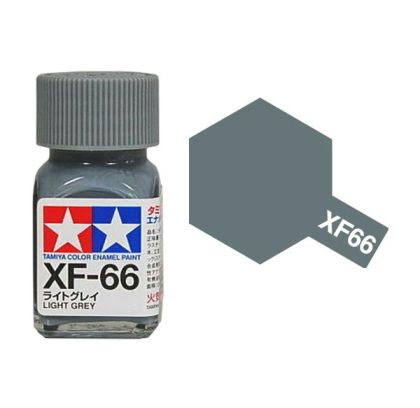
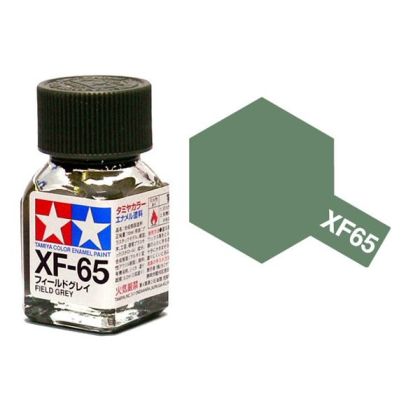
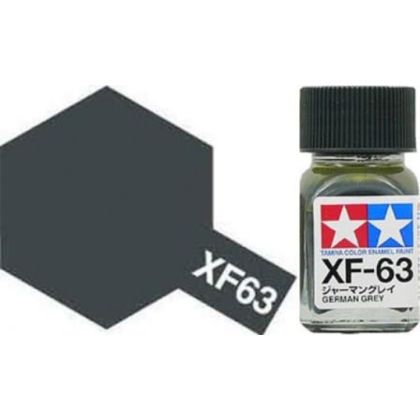
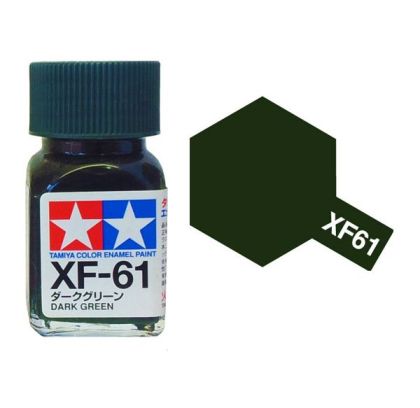
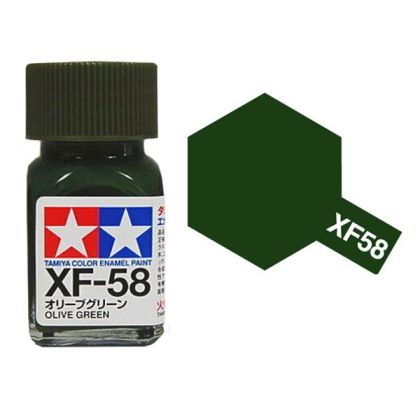
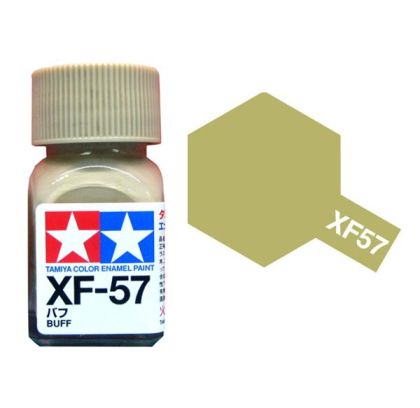
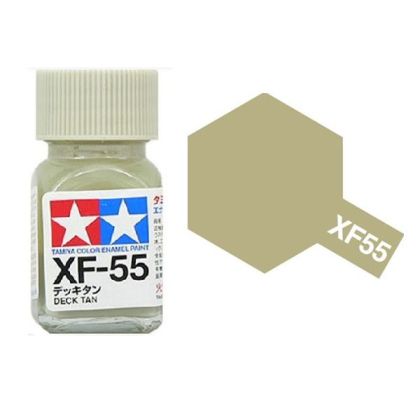
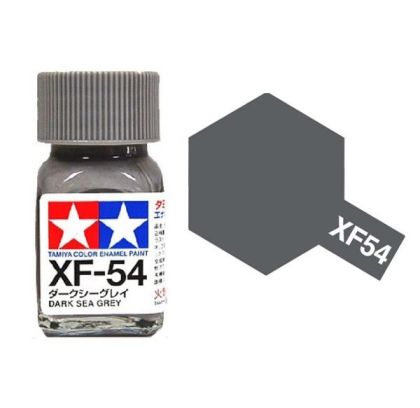
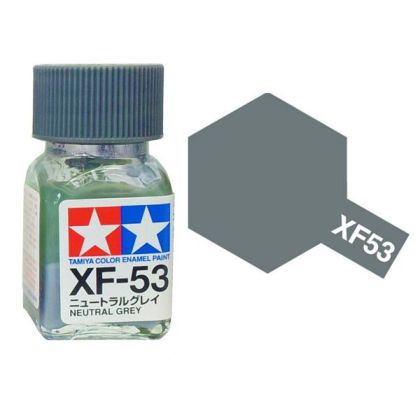
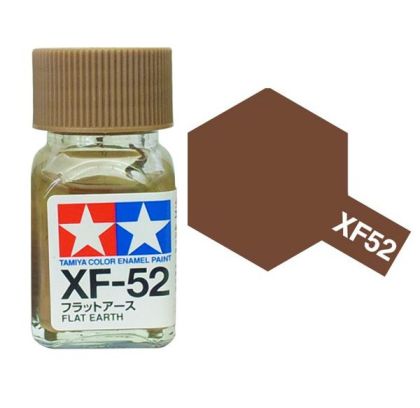
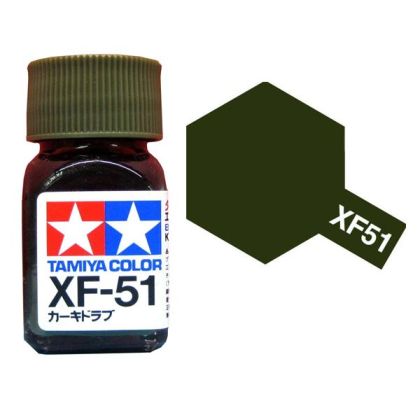
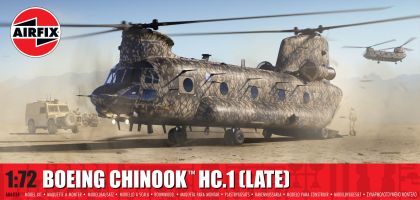
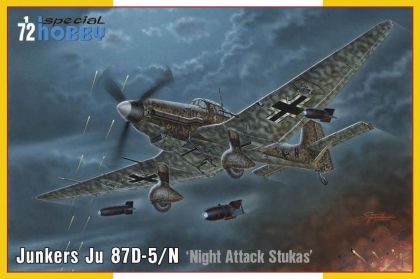
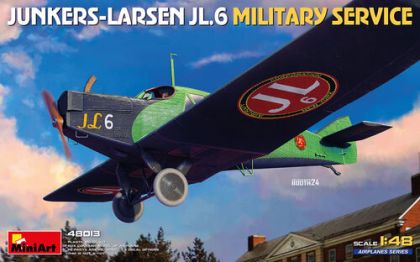
Matt shades make up the larger half of any enamel series, and the reason is simple enough: camouflage, cockpit interiors, webbing, tyres, wood and figure skin were never shiny in the first place. A matt film scatters light, so the eye reads shape rather than reflections, and minor sanding marks disappear instead of being picked out. The 10 ml XF bottles here cover camouflage tones, interior colours and the basic shades used on small detail, which is where most of a matt bottle is actually spent.
On a 1:72 airframe or a 1:35 hull, gloss camouflage reads as a toy and matt camouflage reads as a scaled-down machine. The practical side matters just as much: a matt surface swallows the fine abrasive marks that gloss would drag into the light. What you accept in return is a more fragile surface and a film that wants sealing before any heavy weathering goes on top.
Large panels want airbrush equipment; a brush leaves streaks that a matt surface will not disguise. Between camouflage fields, either mask the edge or spray a soft transition at low pressure.
Small matt work is a job for model paint brushes with a fine point. Build it in two thin coats, because matt paint is heavily pigmented and one thick coat will flood engraved detail.
Matt is close to mandatory on model figures, since highlights and shadows are built on top by dry-brushing and glazing, and any sheen underneath kills the effect.
One habit saves a lot of repainting: before any wash or pigment goes on, seal the matt coat. Matt paint is porous and absorbs a wash unevenly, so what should have been a shaded recess becomes a stain that cannot be wiped back out of the surface.
The numbering key and shared handling notes are with the parent category Tamiya Enamel 10 ml, and other solvent-borne ranges are in enamel model paints. Most of the matt paint on a bench ends up on military model kits.