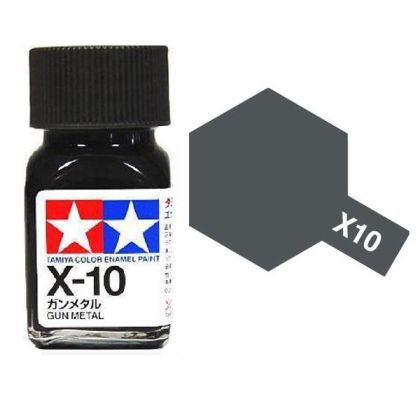
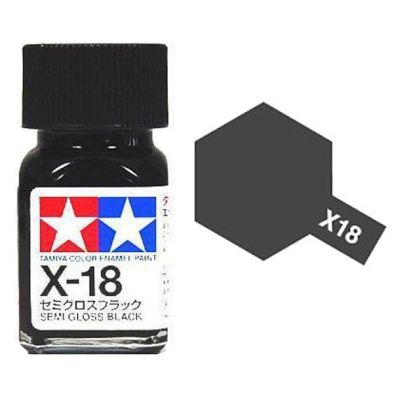
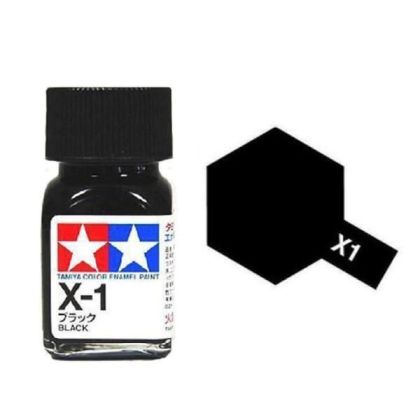
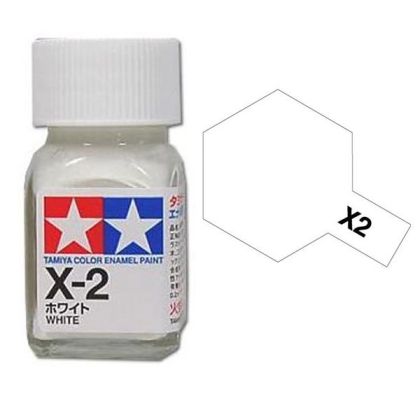
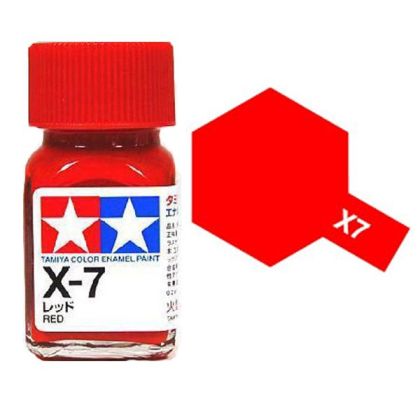
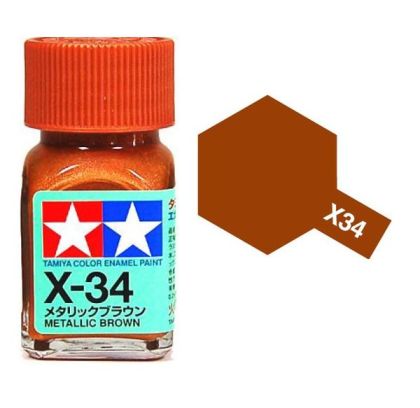
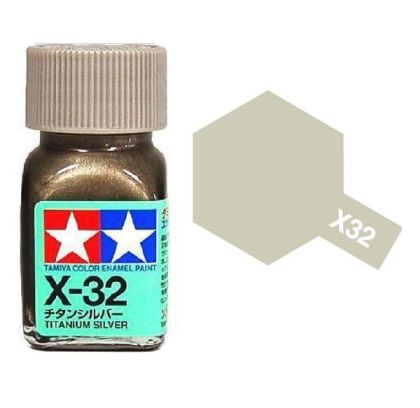
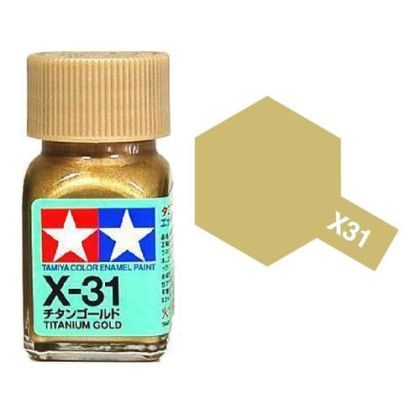
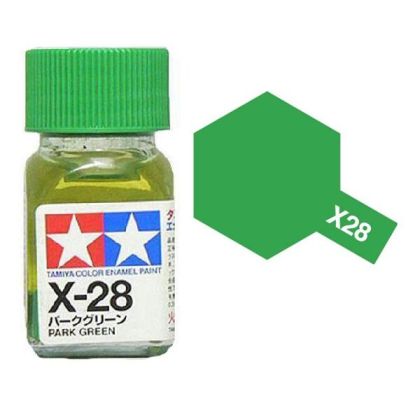
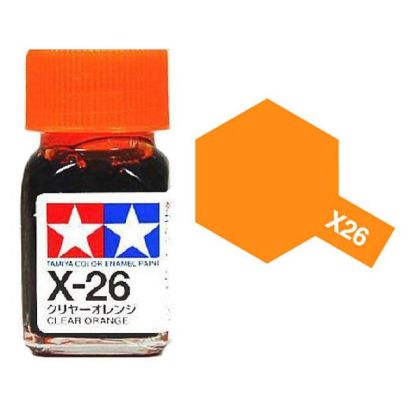
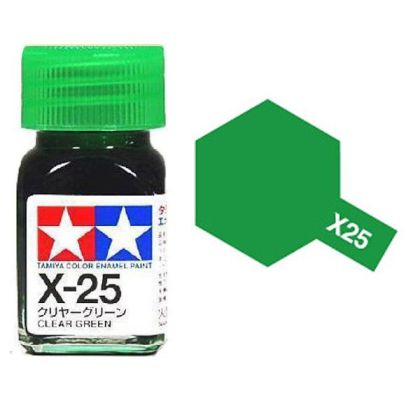
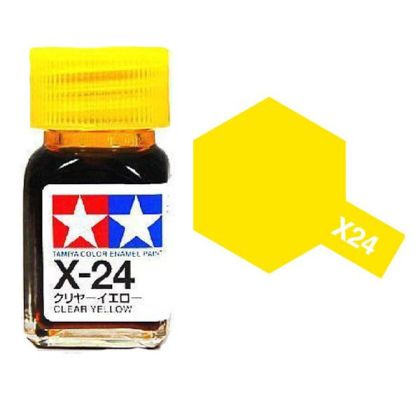
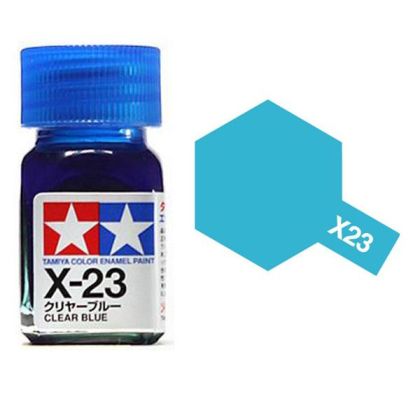
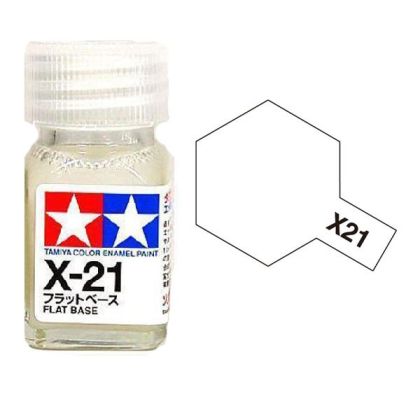
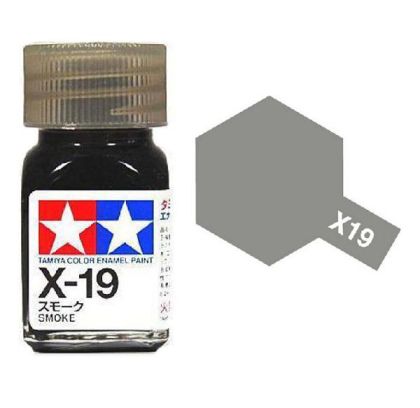
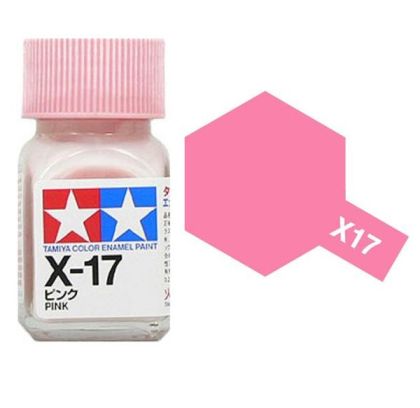
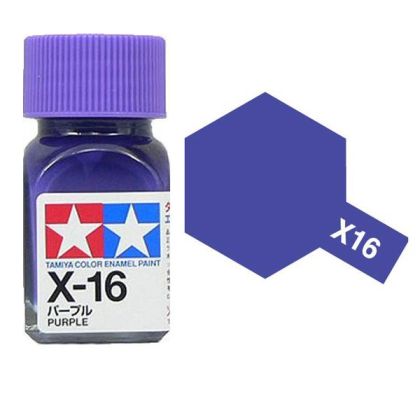
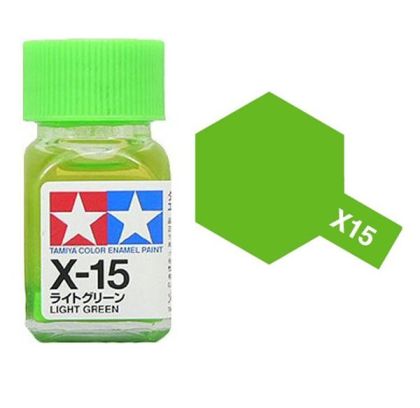
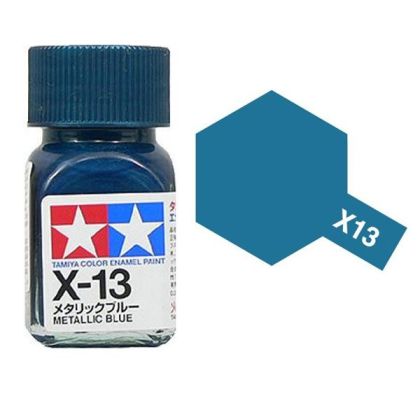
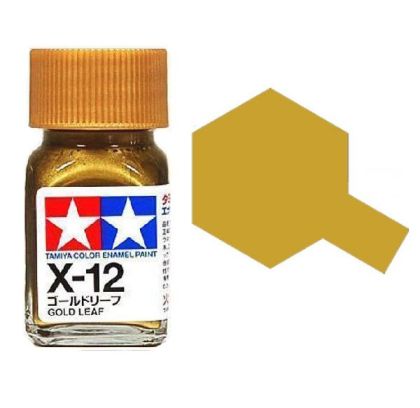
Gloss shades in this 10 ml enamel series cover the jobs a matt paint cannot do. Clear tints turn a colourless lens into a red or amber navigation light without losing transparency, bright metal tones suit exhausts and worked surfaces, and the saturated colours are made for bodywork and racing schemes. Gloss also has a procedural role on a model that will end up matt: a decal laid on a glossy film beds down over its whole area instead of trapping air and showing a silver edge around the carrier.
A gloss film has fewer pigment particles standing proud of the surface, which is precisely why a decal grips it. The second role is genuine shine: painted bodywork, glazing, freshly machined or oil-wet metal. Clear colours add a third use, tinting a transparent part rather than covering it, so one bottle turns a kit lens into a working light.
One thin coat on the inside or the outside of the lens is enough. A second darkens the tint towards opaque very quickly. Polish the clear part first, because gloss paint magnifies scratches instead of hiding them.
On a matt camouflage, gloss goes on only as an interlayer and the model is knocked back at the end. Ready interlayers and final coats are in model varnishes.
Depth of gloss comes from spraying, not brushing. Lay several thin coats with full drying between them using airbrush equipment, and pick up edges and small fittings with a fine point from model paint brushes.
One practical warning: gloss enamel takes longer to harden than the same shade in matt, because there is more binder and less pigment in the film. Give it days rather than hours before masking over it, and test the tape on an offcut if the schedule is tight.
The numbering key and the general handling notes for the whole series are with the parent category Tamiya Enamel 10 ml, and other solvent ranges sit in enamel model paints. Gloss tones earn their keep fastest on car model kits.