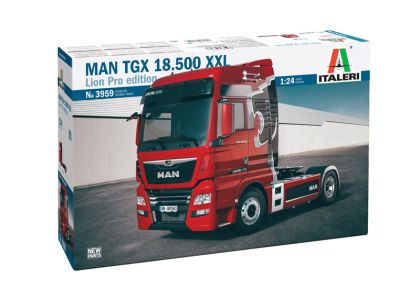
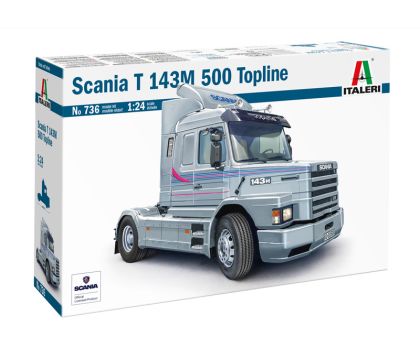
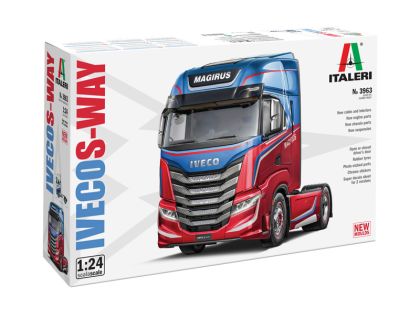
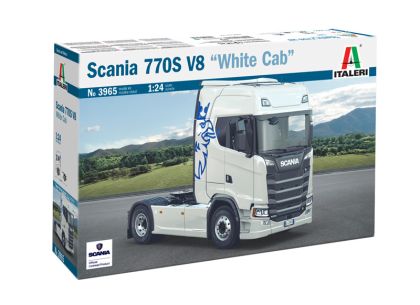
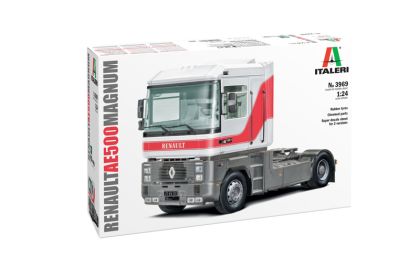
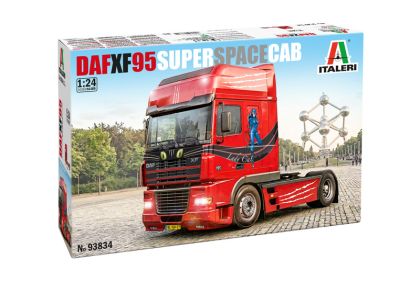
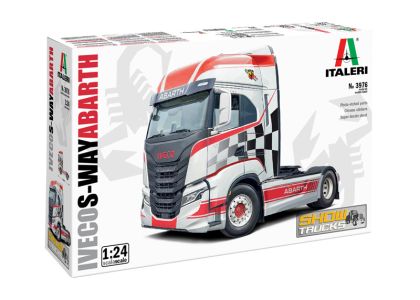
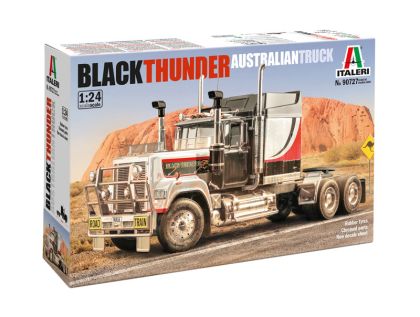
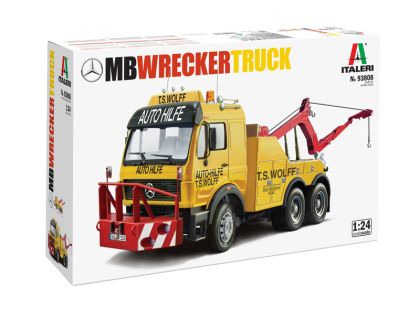
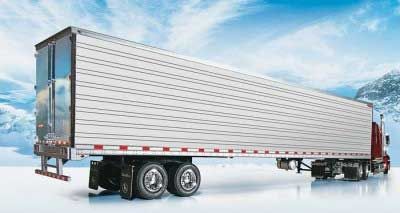
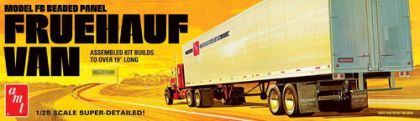
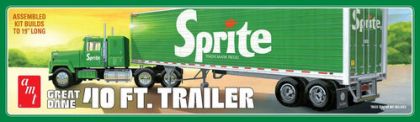
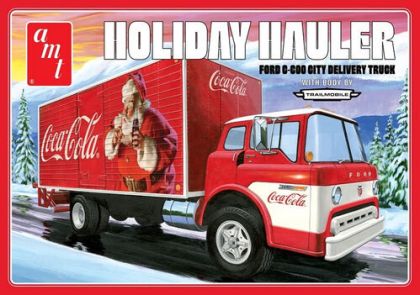
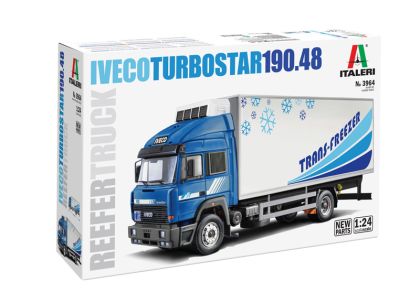
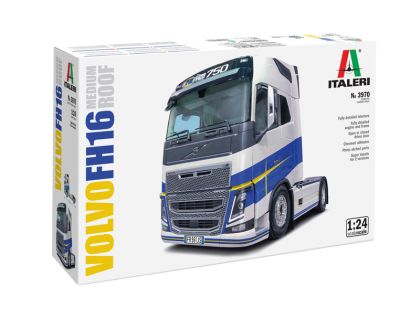
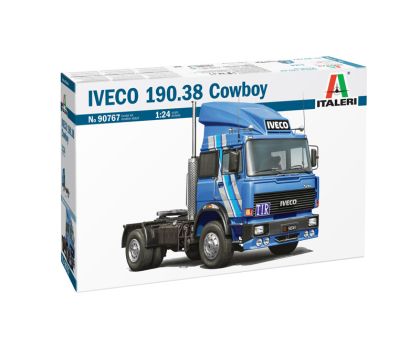
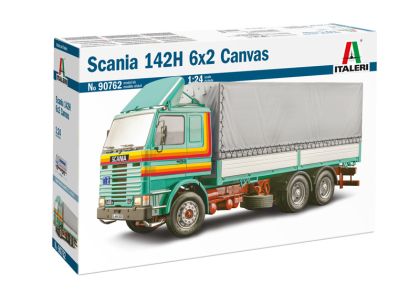
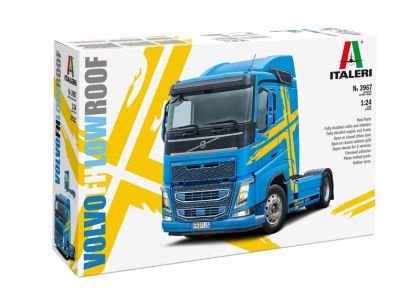
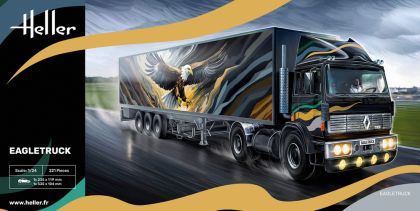
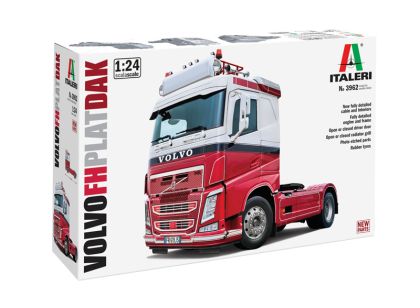
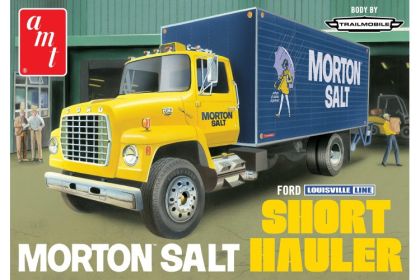
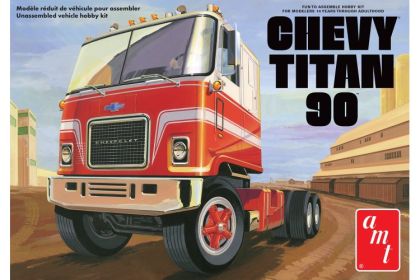
This is the main road of lorry modelling. 1:24 and 1:28 is where European tractor units of every generation are parked, from the square-cut legends of the 1980s to current flagships with panoramic cabs. Keeping them company are American box trailers in the traditional 1:25, delivery vans in period beverage liveries, and a monumental Australian road train. A complete outfit passes half a metre, and a glossy cab with full chrome is a calling card nobody walks past.
European tractor units rely on cab-over bodywork with large flat areas for paint and markings; the range covers classics as well as modern generations, including sportier special editions. The American tradition brings long box trailers and 1950s delivery vehicles with period graphics to enjoy. A chapter of its own belongs to the Australian road train, a vast machine with two trailers built for the endless straights of the interior.
A tractor unit on its own is a project of several dozen hours and fits a display case comfortably. A complete outfit looks the most impressive but asks for more than half a metre of space. Standalone trailers let you expand and recombine the fleet over time.
The square cabs of the classics forgive small imperfections in the paint and bring plenty of nostalgia. Modern tractor units have more complex curves, large glazed areas and fine radiator grilles, which means more masking and tidier work.
Treat the cab like a sports-car body shell: filler primer, thin colour coats, gloss on top. Glue chromed bumper and exhaust parts with cyanoacrylate so the joint does not eat through the plating. A cab roof is the largest single flat area you will ever polish, so take the gloss coat slowly and let it harden properly before any compound touches it.
Japanese decorated trucks are in 1:32 truck model kits, and the whole fleet is listed under truck model kits. Passenger cars of the same size for a shared cabinet come from 1:24 and 1:25 car model kits; all that remains is to decide who overtakes whom on the shelf.