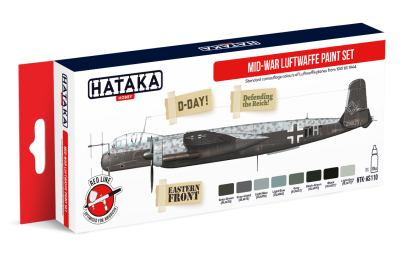
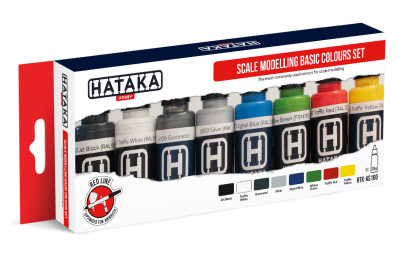
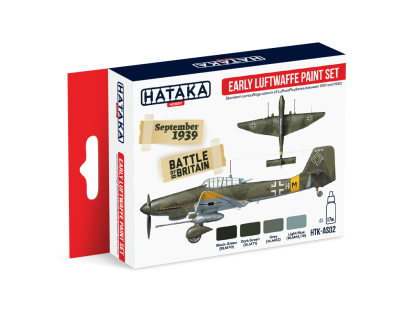
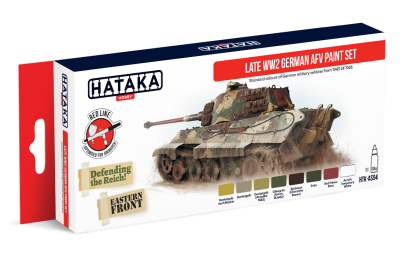
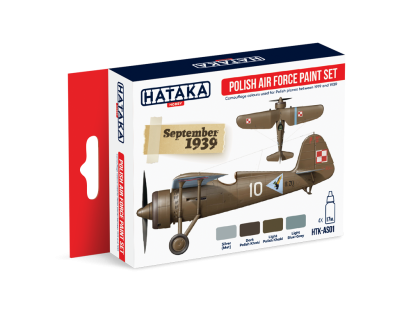
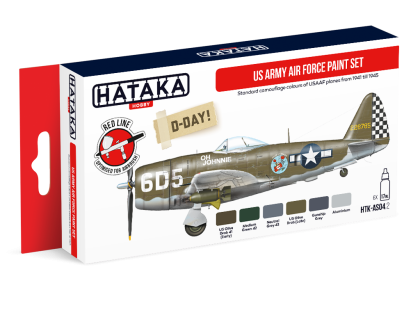
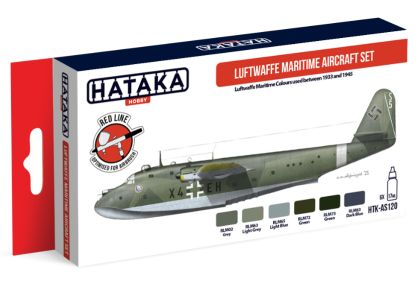
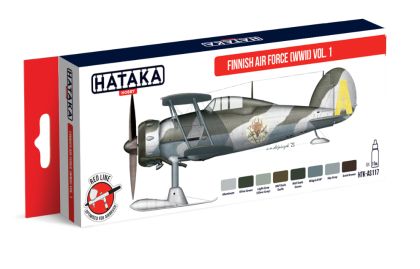
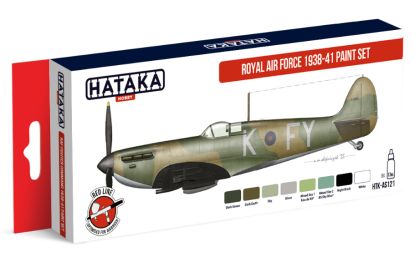
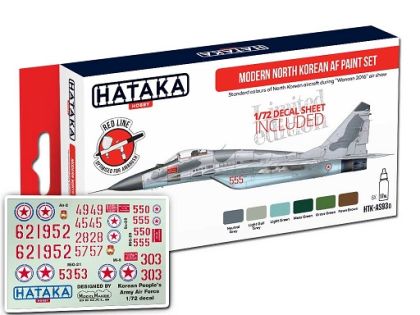
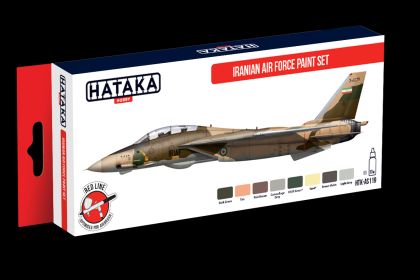
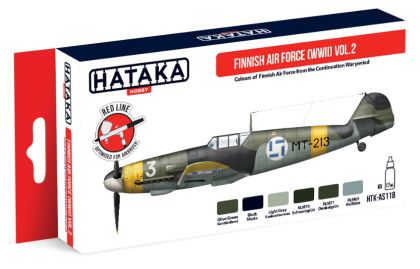
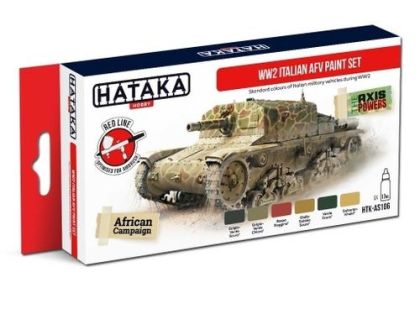
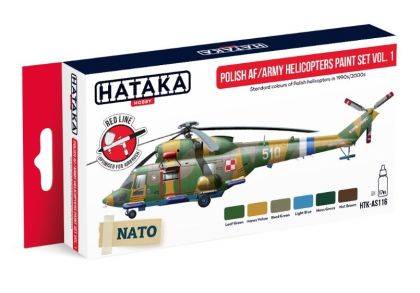
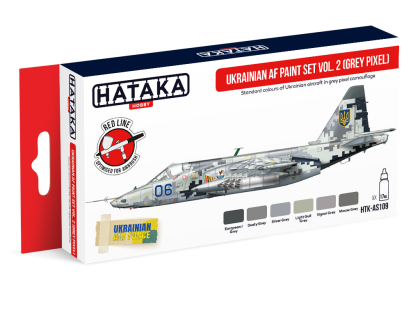
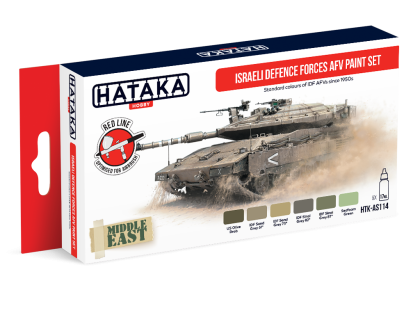
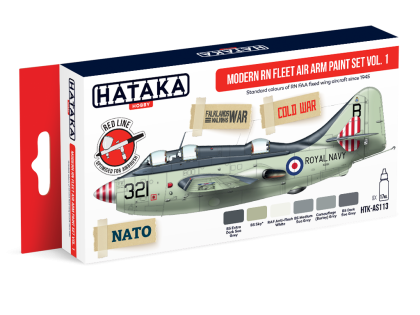
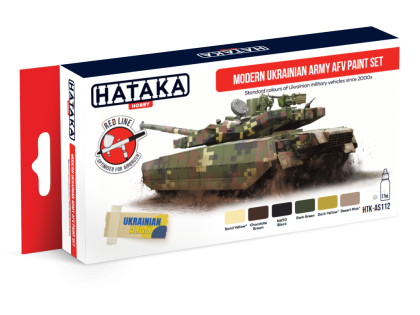
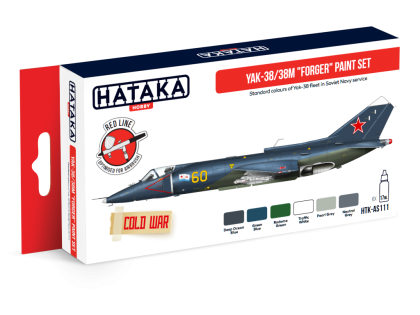
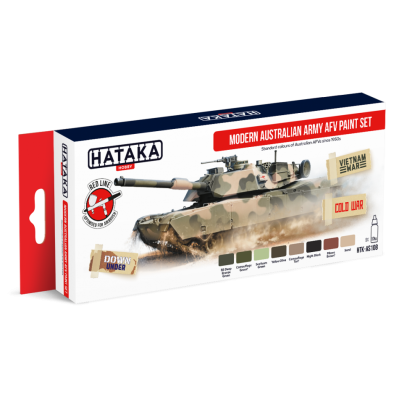
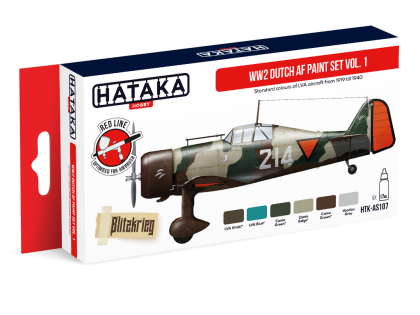
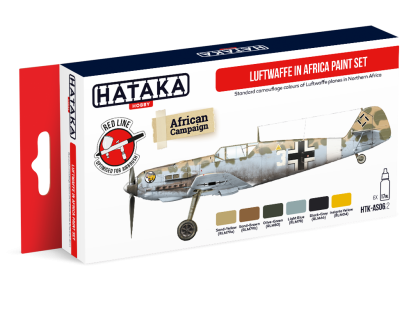
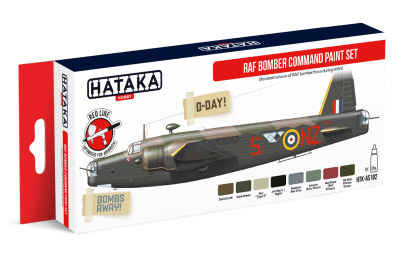
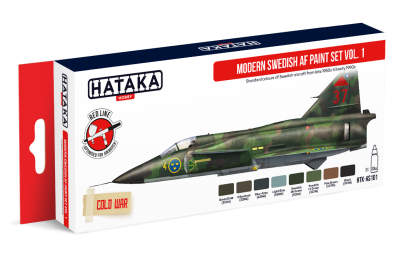
Red Line arrives already at spraying consistency, which removes the most common source of frustration: guessing the right ratio of paint to thinner. Sets from this line group shades for particular machines and periods, from naval greys to ground camouflage.
For a modeller who works mostly through an airbrush and wants to pour from the jar and start spraying, it is the most convenient option the brand offers. What you give up is a little flexibility for brushwork, which the notes below cover along with the airbrush settings that suit the line.
Most acrylics are thinned before spraying, and that is where most of the mistakes happen. Paint that is too thick clogs the nozzle; paint that is too thin runs and fails to cover. The shades in this line are mixed so they can be sprayed with no further work, at most a small adjustment for pressure and nozzle size.
Lower pressure and several light passes give a smoother surface than one heavy coat. With a nozzle below three tenths of a millimetre, expect even a pre-thinned paint to want a drop of thinner. Pick a suitable tool in the spray guns category.
A thin consistency is not ideal for brushwork. Leave small fittings, markings and interior detail to a denser paint, which you will find in single jars in the Hataka Red Line 10 ml category. Letting it stand on the palette for a few minutes thickens it to something a brush can handle.
Pre-thinned paint settles faster than a dense one, so stir each jar from the bottom before every session. Wipe the neck after pouring, otherwise the cap seals badly and the carrier evaporates over a season.
Thematically the sets aim at military vehicle kits and at ship model kits, where a coherent palette of naval greys earns its place. The whole brand range sits under Hataka paint sets, where the lines can be compared by binder and by subject.