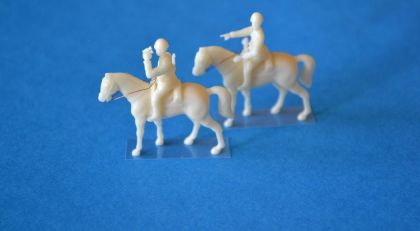
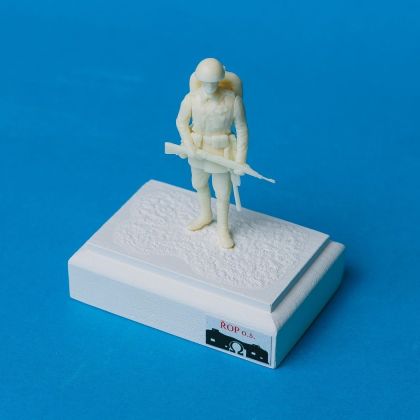
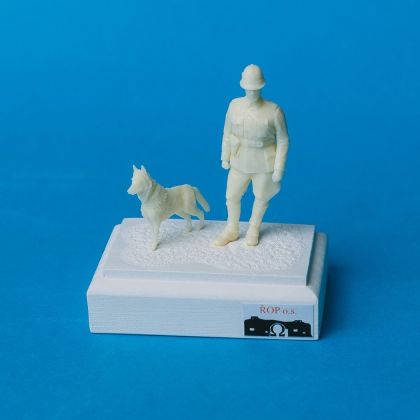
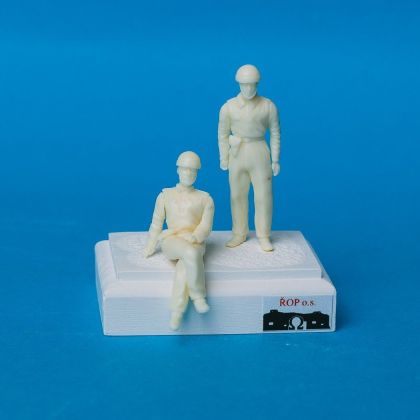
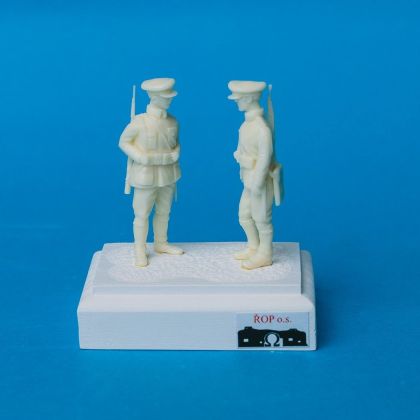
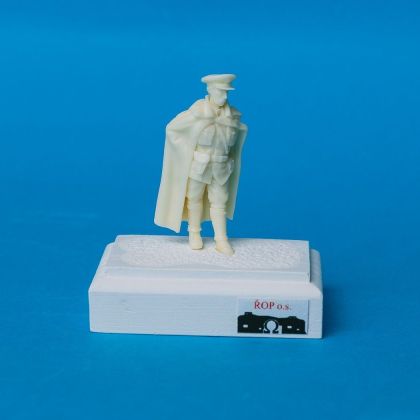
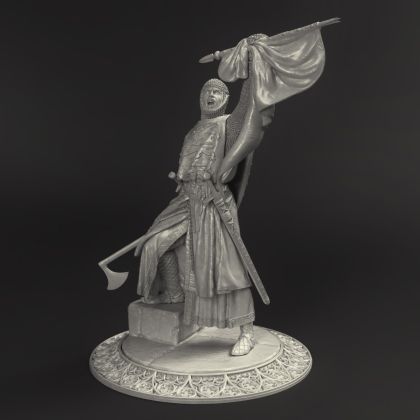
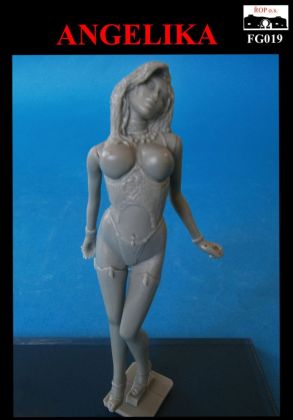
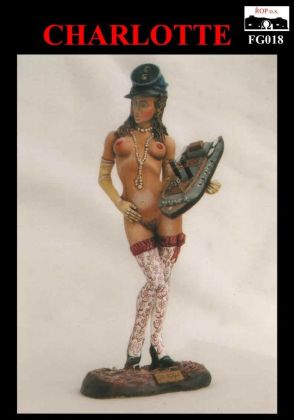
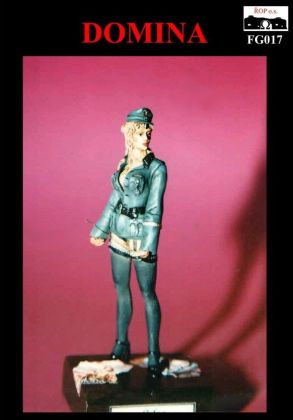
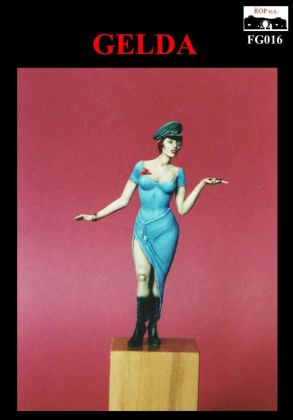
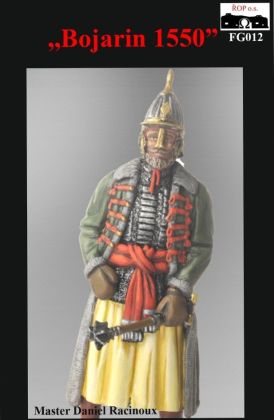
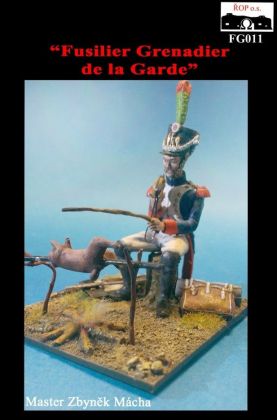
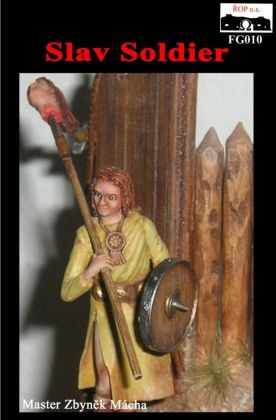
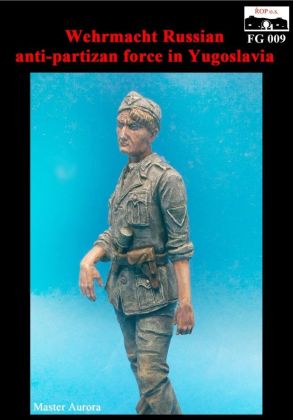
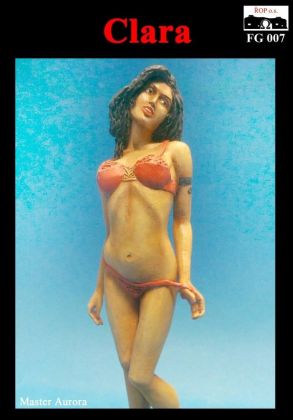
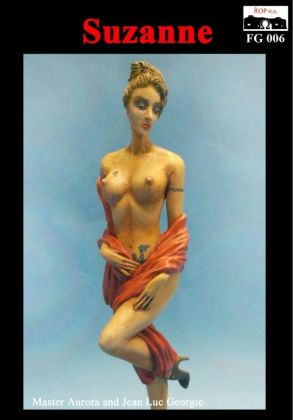
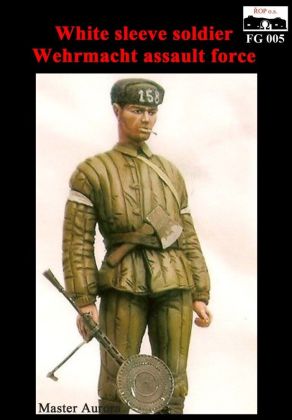
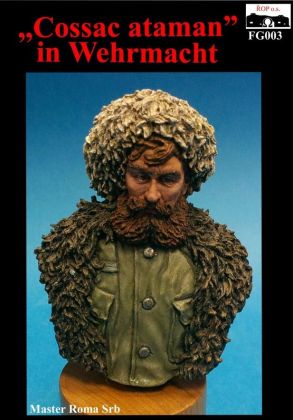
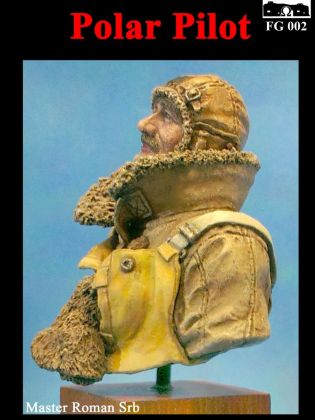
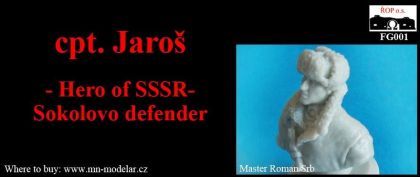
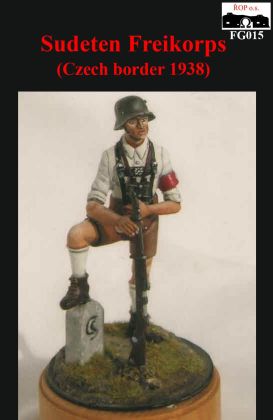
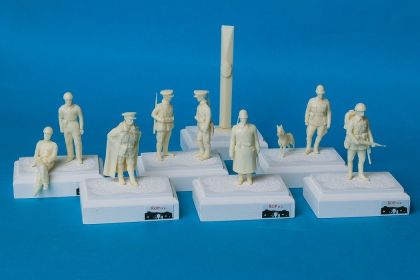
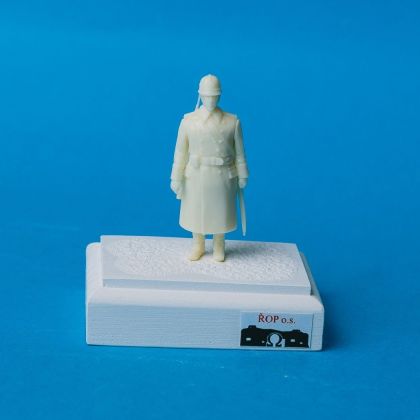
Figure painters are served here by a small range with an unusually clear point of view. The 1:35 and 1:72 sets concentrate on Czechoslovakia in 1938: army infantry in full kit, border guards, gendarmerie in several ranks, the financial guard, a light tank crew, cavalry and Sudeten Freikorps irregulars, subjects you will struggle to find elsewhere in any material. Alongside them sit historical figures in the traditional millimetre sizes and a handful of display busts.
One distinction is worth getting right before you buy. The modelling scales express a ratio to the real thing, while the millimetre figures are described by the height of the figure itself, not by a scale, so the two sets of numbers answer different questions.
Two threads run through it. The first is Czechoslovak, tied to the mobilisation year of 1938 and to the fortification models elsewhere in this section, which is why the 1:35 and 1:72 sets exist at all. The second is general historical figure painting, from medieval and early modern subjects in the larger millimetre sizes down to the traditional 54 mm collector format, plus character figures built around the painted surface rather than the uniform. Busts round the range off for painters who want faces and shoulders only. Every casting arrives unassembled and unpainted.
At 1:35 and 1:72 figures exist to populate something: a pillbox, a vehicle, a street. Expect to paint them in a session or two and judge them at arm's length, where silhouette and tonal contrast matter far more than blended transitions.
54 mm is the classic collector height and the traditional entry point into serious figure painting. 70 and 75 mm gives room for faces and patterned cloth. 120 mm is display height, where every brush mark is visible. Because these figures are specified by height rather than ratio, they are standalone pieces and do not mix into vehicle dioramas.
A bust removes the hardest part of figure work, the legs and the balance, and leaves the part people look at. It is the quickest way to find out whether large-scale painting suits you.
Wash the casting in warm soapy water to shift mould release, or paint will lift weeks later. Remove the pour block with a saw, fill the join, glue with cyanoacrylate and prime in a colour that helps you see the relief. From there it is brushwork: thinned model paints built in layers, and a set of good brushes that keep a point, which matters more than the number of colours you own.
Plastic figure sets in comparable sizes are in the main model figures section, and the rest of the association's output is listed under ŘOP.