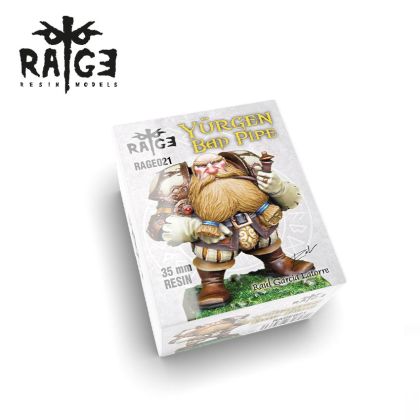
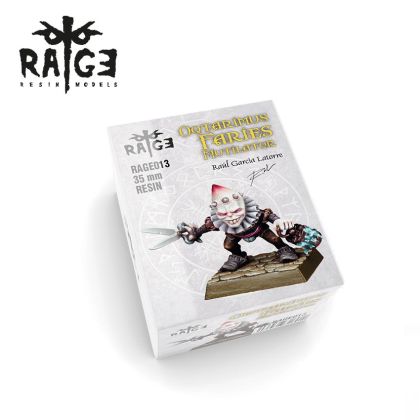
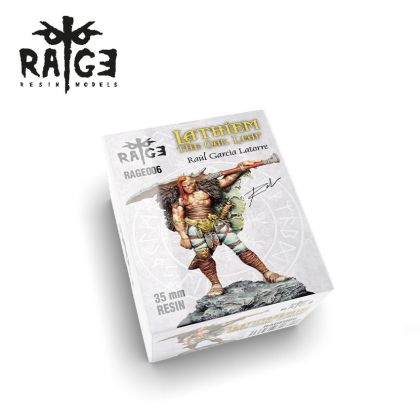
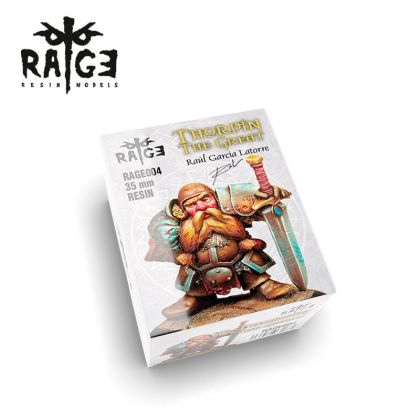
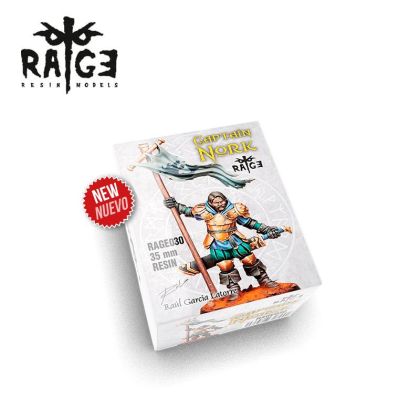
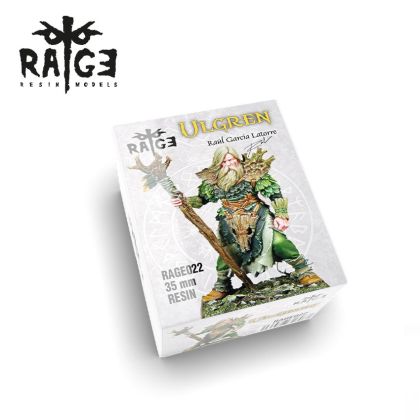
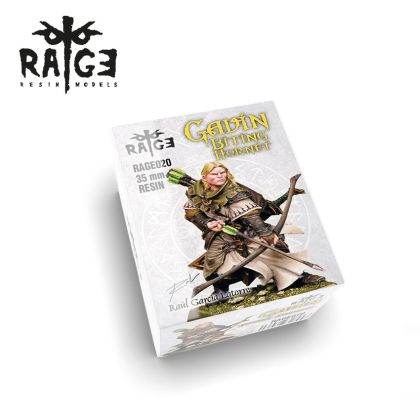
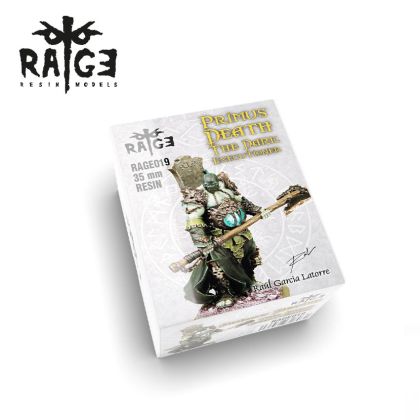
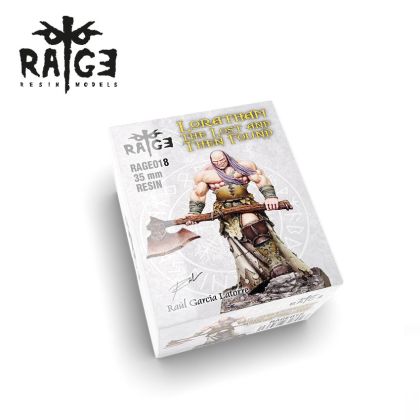
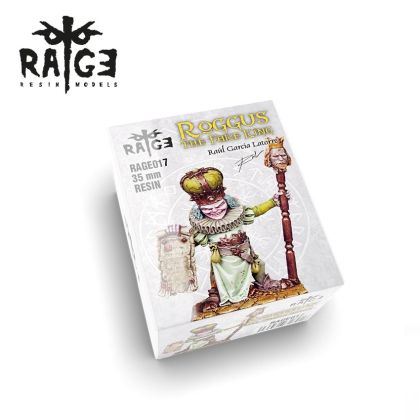
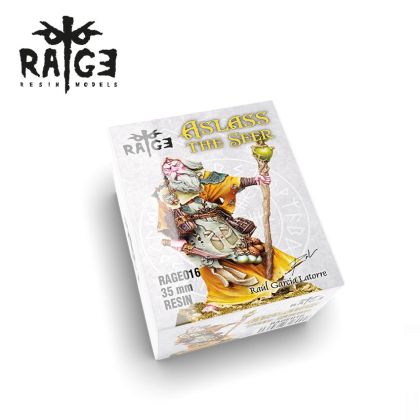
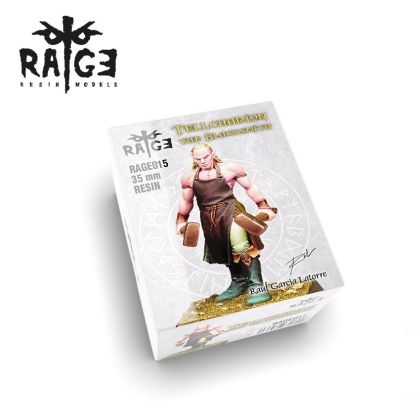
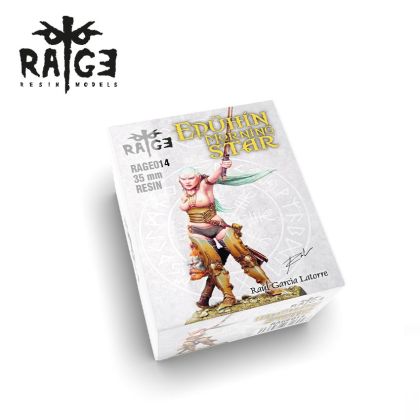
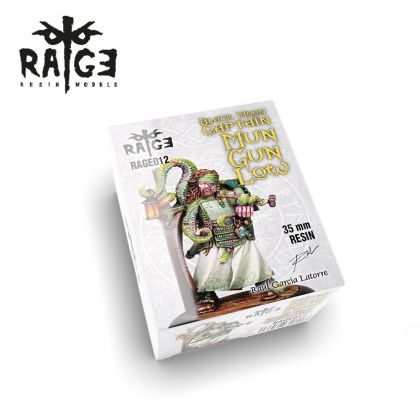
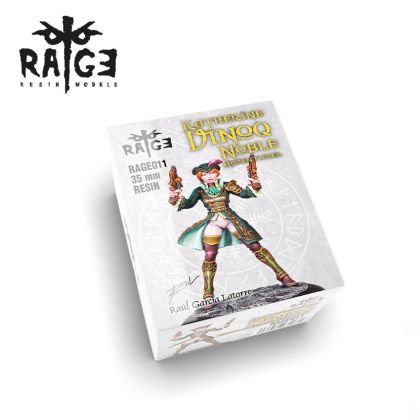
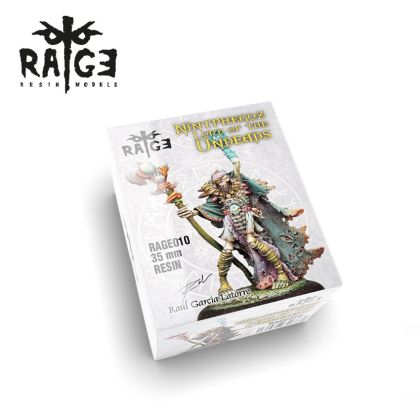
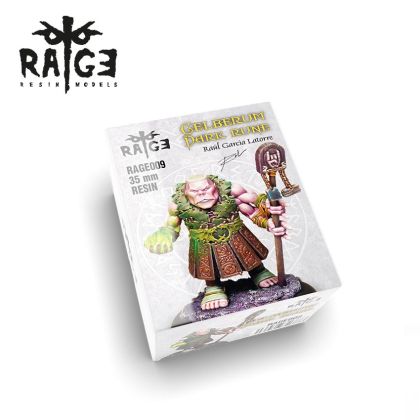
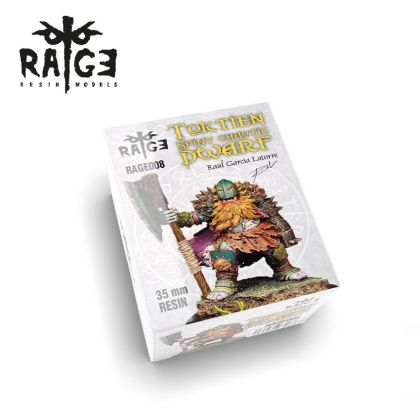
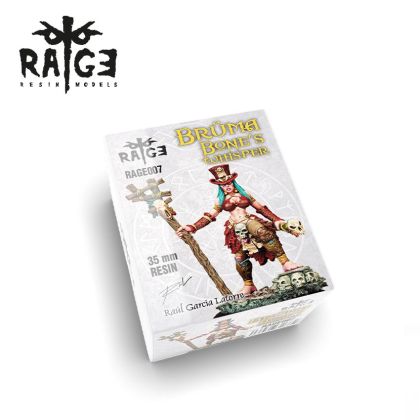
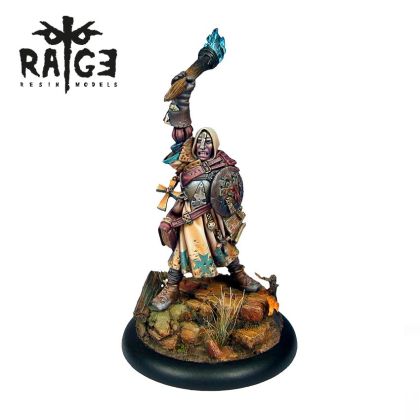
Thirty-five millimetres sits on the border between a game piece and a painting surface. The miniatures here are named characters with their own personality, from captains and seers to blacksmiths, bounty hunters and figures from the darker edges of a fantasy world, each supplied unassembled and unpainted with a sculpted scenic base.
The size offers noticeably more detail than the standard gaming height while still fitting a cabinet by the dozen, which is why competition painters are fond of it: there is room for smooth transitions and for free areas where your own ideas can go. The guide below covers choosing a miniature by difficulty and treating the base as part of the subject.
These figures were conceived for painters who want one body to show everything: the texture of skin, the reflections in armour and a story in the face. Each miniature carries its own name and character, and the castings are deliberately detailed rather than simplified for play. A single figure can be finished over the evenings of one week, which is why collections here grow steadily instead of stalling. The sculpting style helps: deep folds, clear separations between materials and faces built around one dominant expression all give a brush something definite to aim at.
Beginners do best with a figure that offers large areas of cloak and simple armour. More experienced painters will enjoy busy subjects with fur, chains and small base details. For a first attempt, pick a calm, firmly planted pose; dramatic gestures and flying cloaks forgive far fewer mistakes, and a figure that leans will also need a base built to hold it convincingly.
Miniatures of this height can be fielded in a game, but it makes more sense to keep them in the cabinet and put more expendable 28 mm model figures on the table. If you want still more room for detail, step up to 54 mm model figures, where faces become a genuine portrait problem.
The base is part of the character here, whether it is rock, paving or roots, so it deserves the same care as the figure and a palette that ties the two together. Earthy tones applied with weathering pigments are the quickest honest way to settle a figure onto its ground.
Other sizes and genres of figure are listed under model figures.