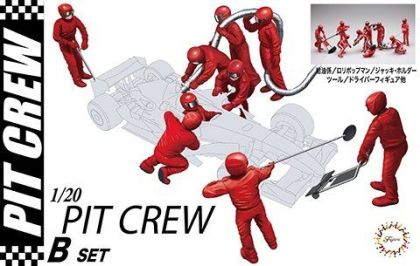
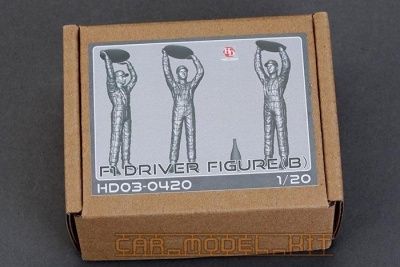
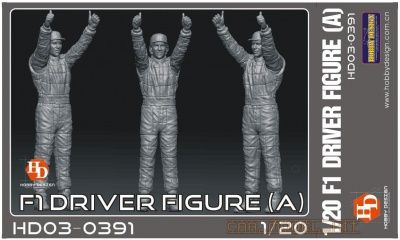
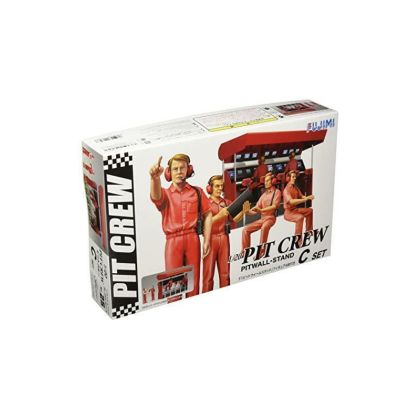
Nine centimetres of resin is enough to carry a legible race suit, a helmet visor and a radio headset, which is why 1:20 model figures belong first of all to the pit lane. This is the home scale of Formula car kits, so the listing is built around drivers standing and seated, mechanics with wheels and jacks, and complete pit-wall and pit-crew sets.
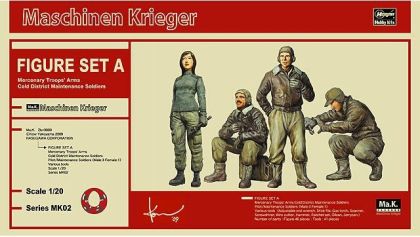
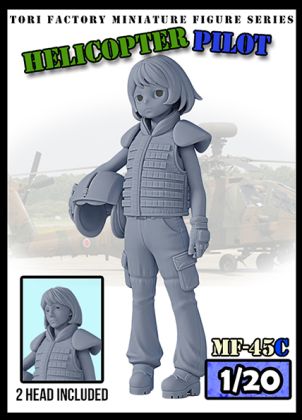
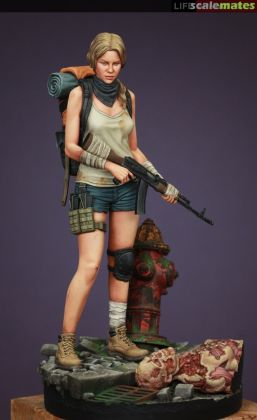
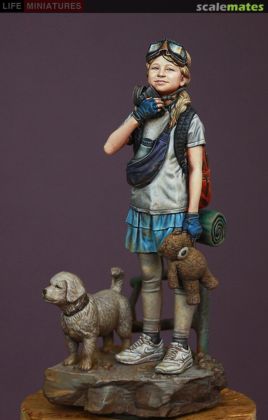
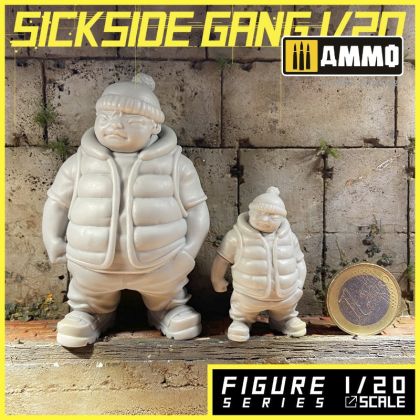
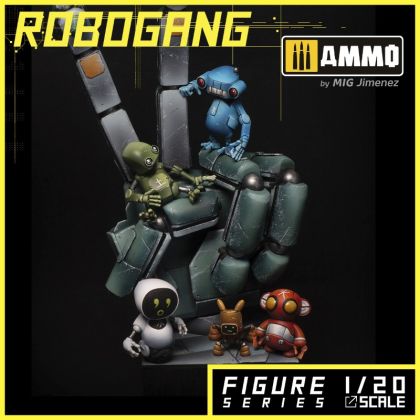
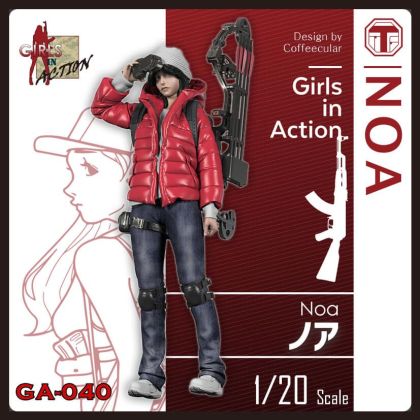
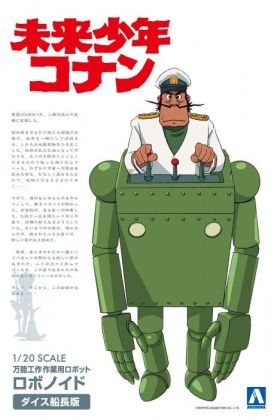
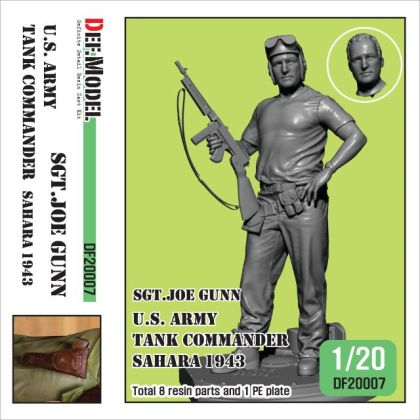
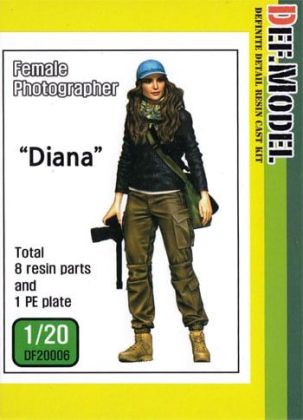
Alongside the racing subjects runs a strong line of genre work: post-pandemic characters, street photographers, robotic gangs and masked figures that ask for a small futuristic diorama of their own. A handful of pieces are sold as 1:20 while also quoting a 90 mm height, which tells you they are meant to stand alone on a base rather than beside a car.
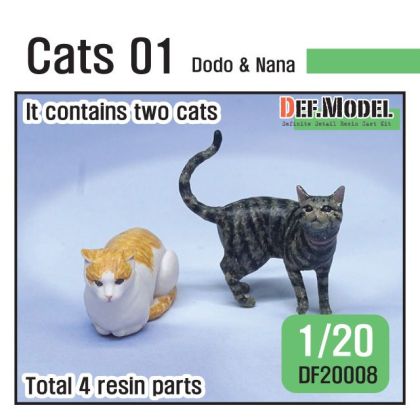
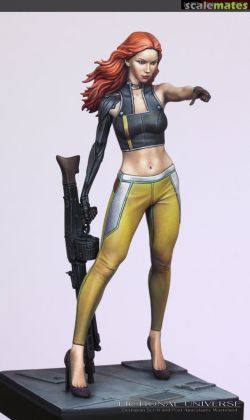
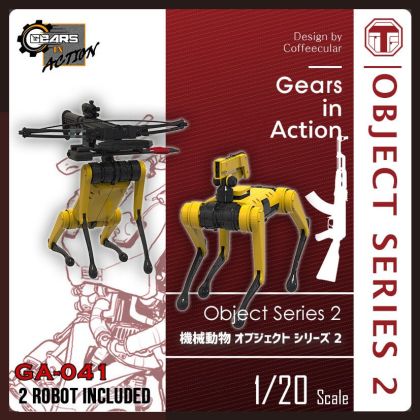
Two distinct families share this scale. The racing family covers the human side of a Grand Prix weekend, from a driver resting a hand on the airbox to a crew gathered around a jack, plus pit-wall stands with timing screens and trolleys. The genre family is looser and more imaginative, taking in science-fiction characters, robots, civilians and animal sets that work as standalone display pieces.
Pick the crew for the era of the chassis. Overalls, helmets and even the shape of a headset changed decisively between the 1970s and the current generation of cars, and a mismatch is the first thing an experienced eye catches. Single-seaters in this scale live in 1:20 Formula car model kits, while road cars of the same size sit in 1:20 car model kits.
Genre pieces in 1:20 are designed to be looked at on their own, so composition matters more than accuracy. Science-fiction characters in particular invite a palette of your own invention, which is half their appeal. Small items of kit and scenic extras to finish a setting come from figure model accessories.
Expect plastic, resin and printed parts in roughly equal measure. Wash resin and printed pieces before painting and bond them with cyanoacrylate glue; the reward is a crisp helmet edge and harness buckles you can actually see. Plastic sets are the kinder option for a first attempt, since a dry run of the assembly takes nothing but time.
One practical note on sizing: a few pieces here quote both 1:20 and a 90 mm height, which is a hint that they were sculpted as standalone display figures rather than as crew for a car. Every other size of figure, from five-millimetre sailors to busts, is listed under model figures.