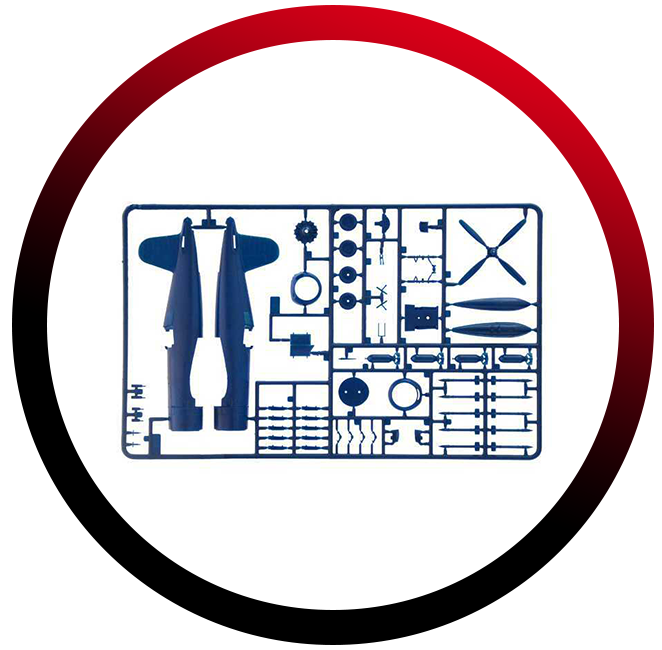
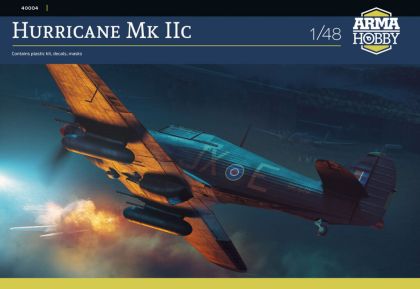
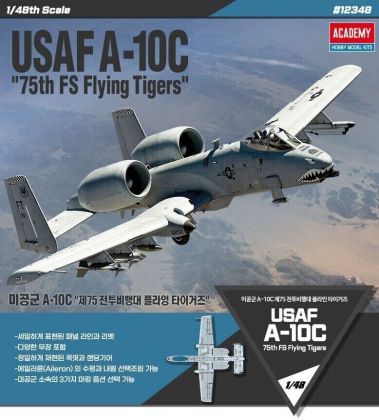
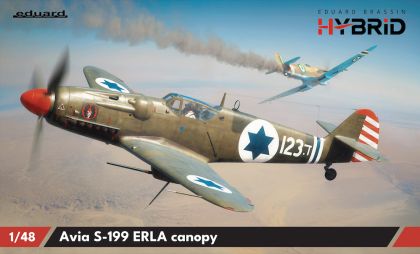
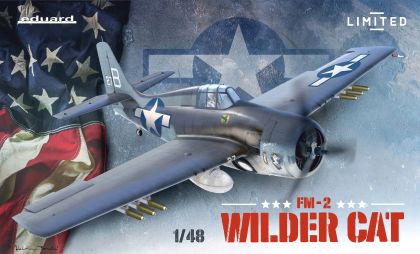
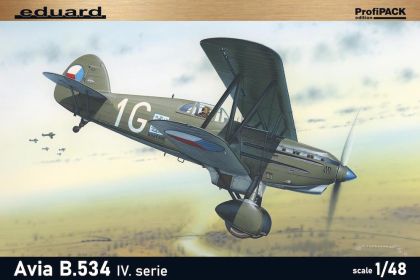
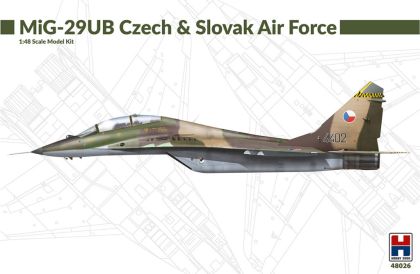
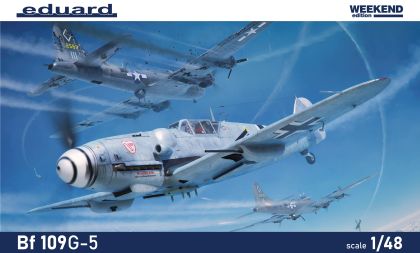
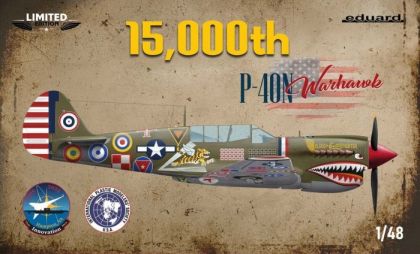
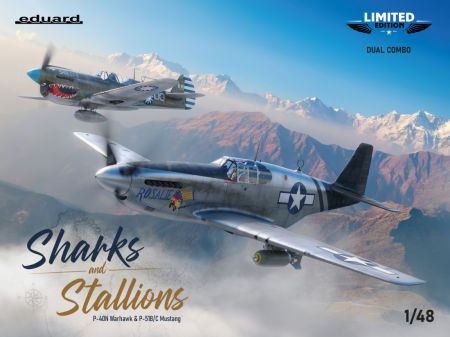
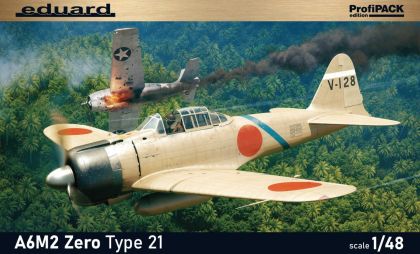
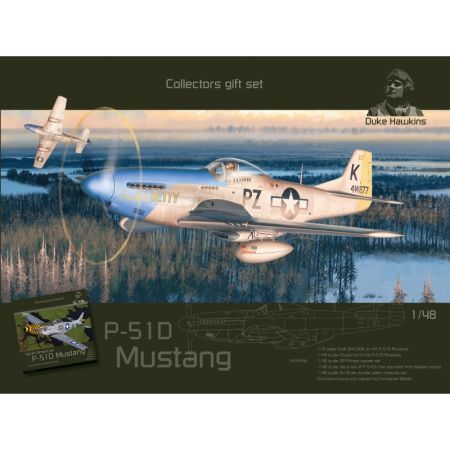
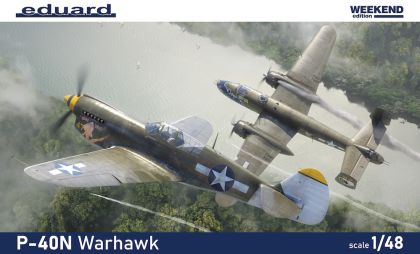
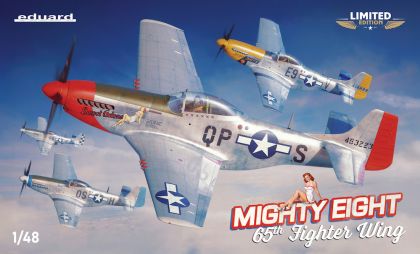
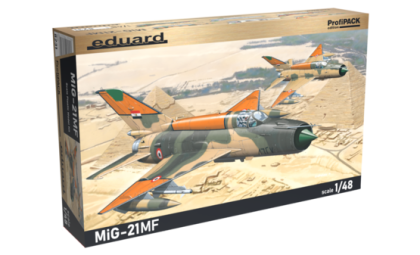
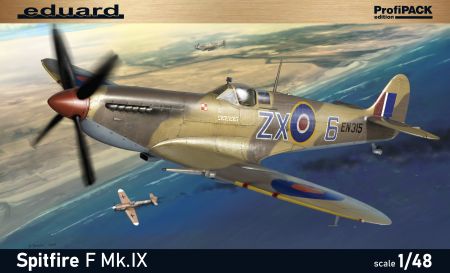
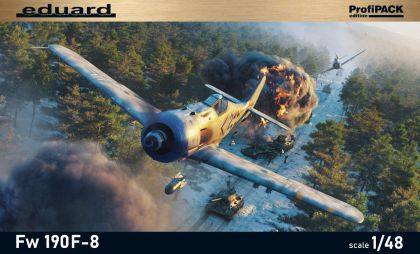
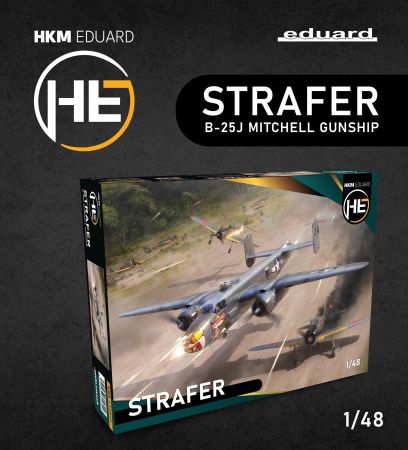
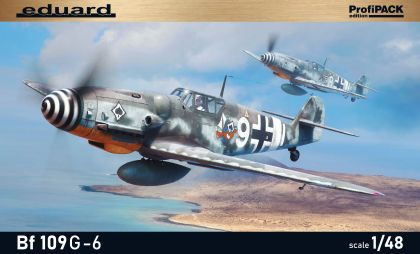
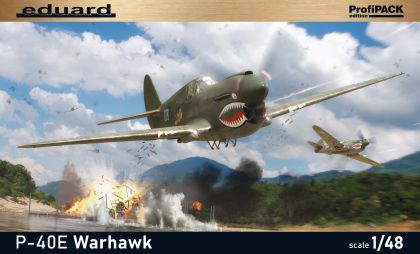
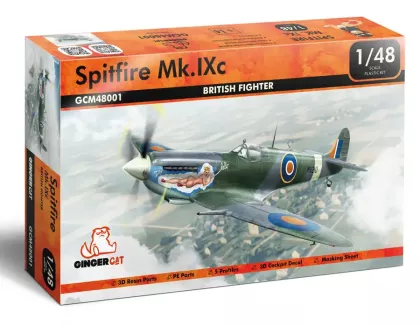
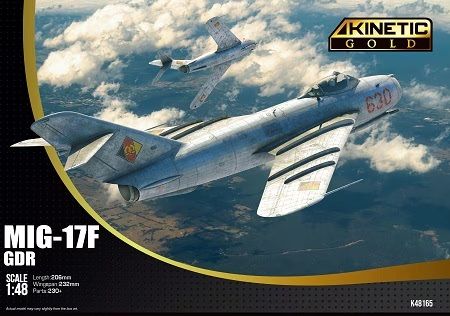
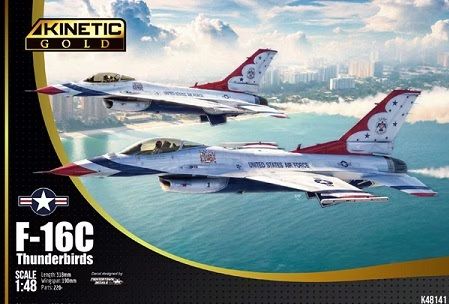
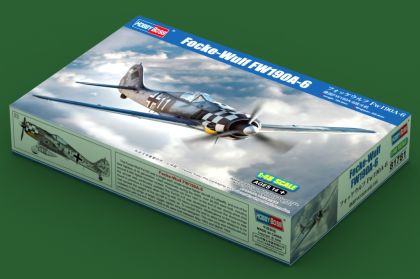
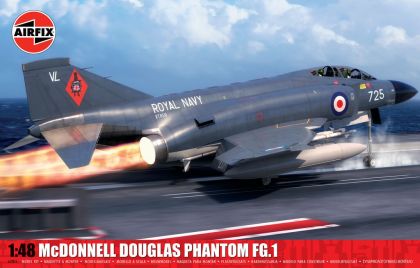
Looking for the point where size and detail meet? Quarter scale, as 1:48 is usually called, lands on it. A single-engined fighter finishes at 20 to 25 centimetres, the cockpit and panel lines are comfortably readable, and the build can be pushed as far as competition standard without the model taking over the room. Boxings range from straightforward kits to heavily equipped editions with photo-etched parts and masks supplied as standard.
Below we look at who gets most from the scale, how to read an edition before you buy it, and which same-scale parts move a build forward.
Modellers call it quarter scale because it is a quarter of an inch to the foot, and for many it becomes a lifetime habit. A model is large enough for rivet detail, cockpit furnishing and lowered flaps to register, yet small enough that a collection still fits in one cabinet. Compared with 1:72, far more can be achieved with both brush and airbrush, because the details are not sitting at the edge of what the eye resolves.
Builders with a few models behind them who want to spend real time on a finish get the most from it. A newcomer can start here too, as long as the first kit is a simple airframe with a sensible parts count rather than a flagship release with several hundred.
Allow 20 to 25 centimetres for a single-engined fighter and over 40 for a twin. A collection needs more planning than it would in 1:72, and in return every model earns its place on the shelf.
Some boxings include etch and masks in the box; with basic kits those are worth adding separately. Aftermarket support is broader in 1:48 than in any other aviation scale, so almost any subject can be taken further.
Clean seams come down to modelling putty and decent modelling tools. For a smaller alternative with a comparable choice of subjects, compare against 1:72 aircraft kits.