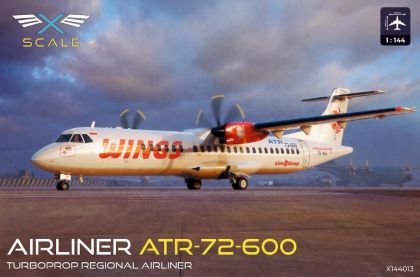
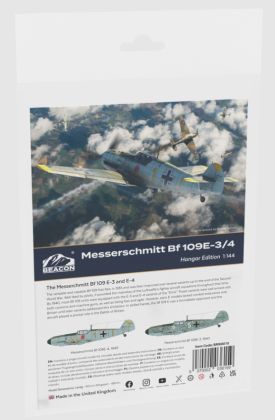
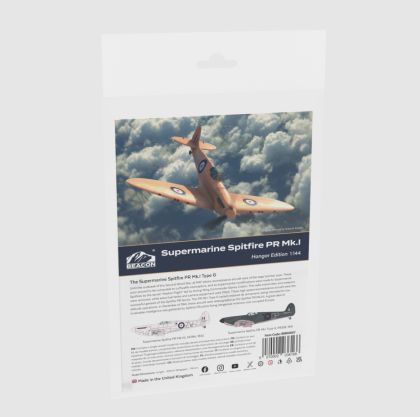
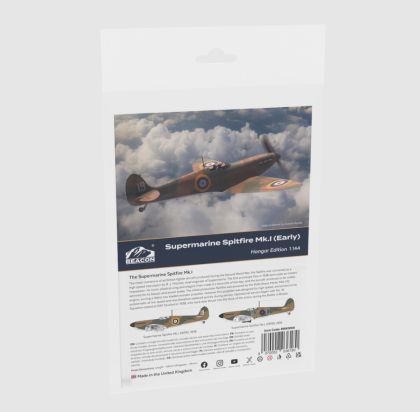
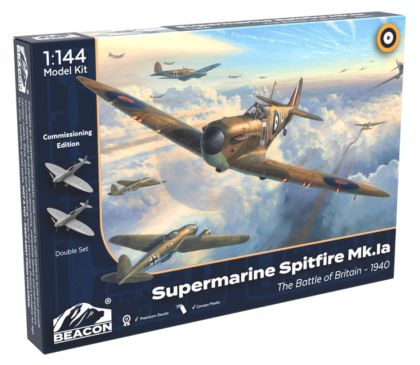
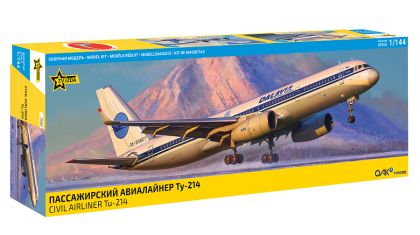
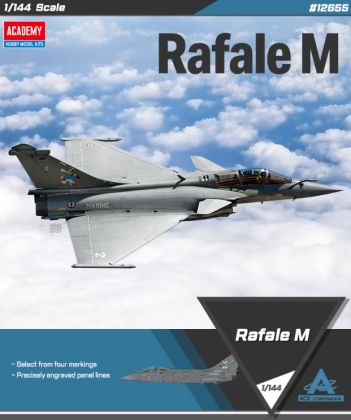
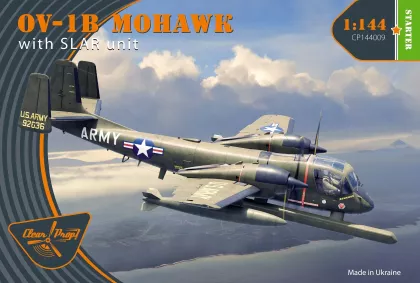
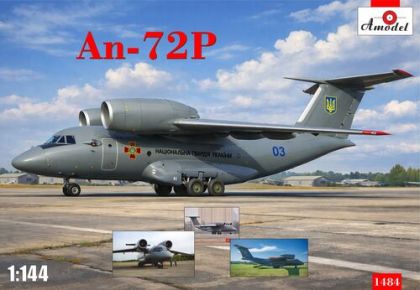
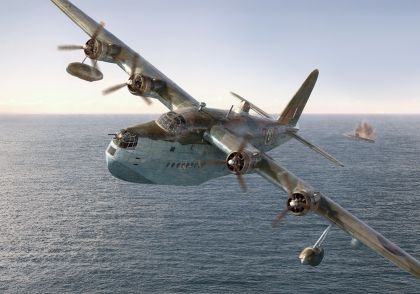
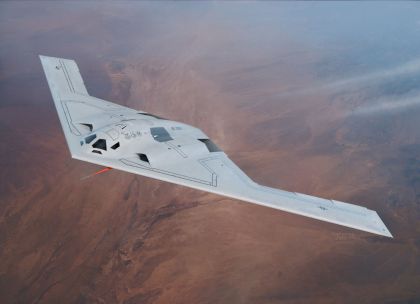
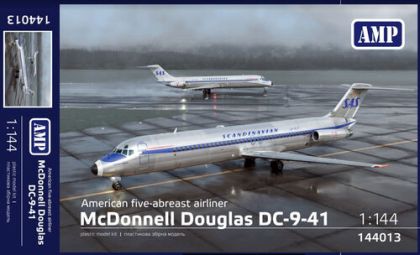
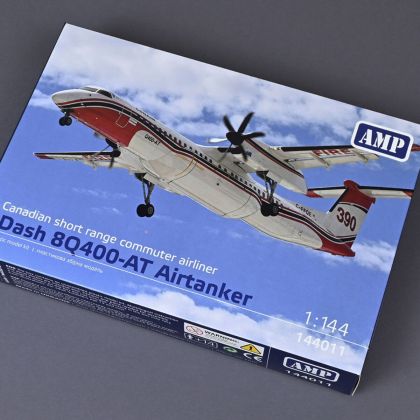
Collectors short of space reach for 1:144 more often than any other small scale. A fighter comes in under ten centimetres and even a four-engined airliner sits comfortably in an ordinary cabinet. The subject list covers civil fleets, bombers and specialist military types, from Cold War classics to airframes still in service today.
Below we explain who the small format suits, why decals carry so much of the result, and how to get surprisingly convincing detail out of a model the size of a coffee mug.
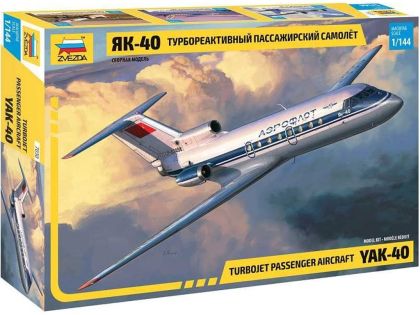
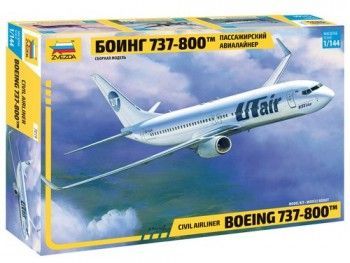
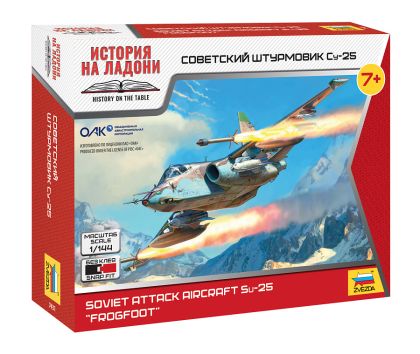
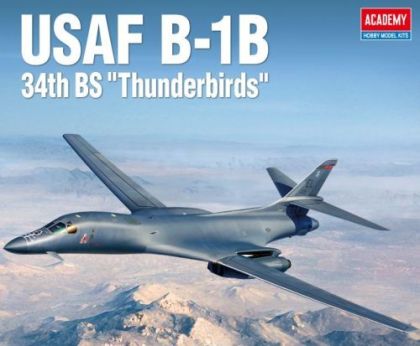
This is the traditional airliner scale. A 737 works out at a quarter of a metre, so a whole airline fleet can be built without moving furniture. Airliners are not the whole story, though: bombers, transport aircraft and increasingly sharp fighters appear here too, and the engraving on recent tooling surprises modellers who last tried the scale years ago.
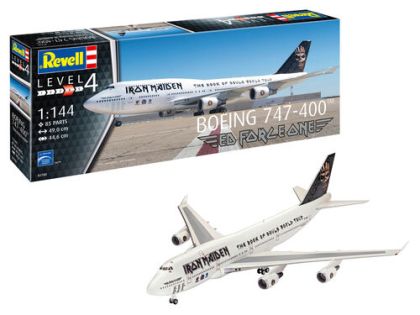
A single airline's fleet, the development line of one type, or a cross-section of the very large aircraft that will never fit anywhere else. Those giants are where 1:144 makes the strongest case for itself.
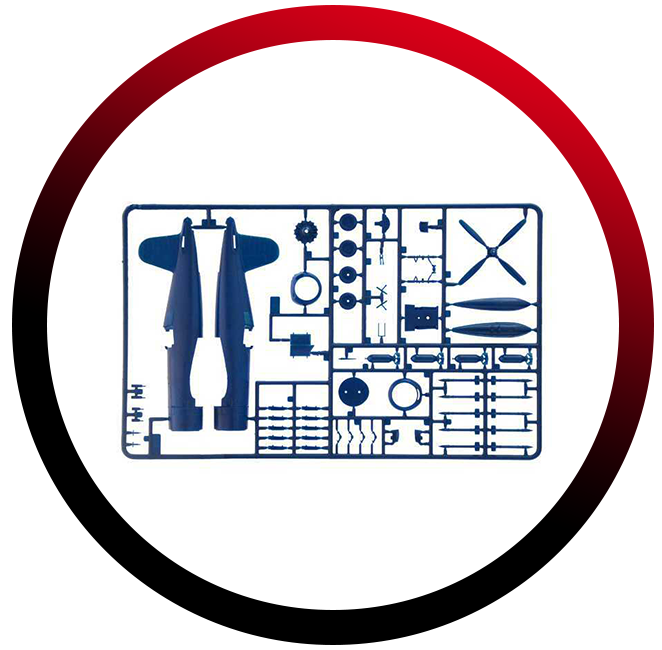
Parts are small and aerials and undercarriage legs are fragile. Good tweezers, a fresh blade and a little patience are the entry requirements; the reward is a build measured in evenings rather than months.
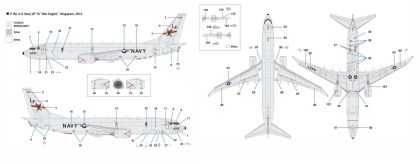
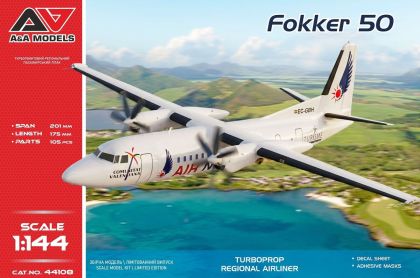
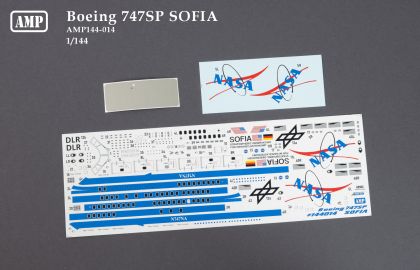
On a civil subject the livery is half the model. Check the condition of the sheet, and expect windows and doors to be printed artwork rather than clear parts. A well-registered sheet with accurate livery colours is noticed even by people who have never built anything.
Small parts go on best with a fine brush and the right glue for clear components. Airliners on a slightly more generous scale are gathered under 1:200 aircraft kits, and the complete range is at aircraft model kits.