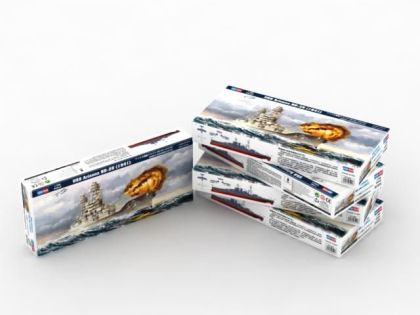
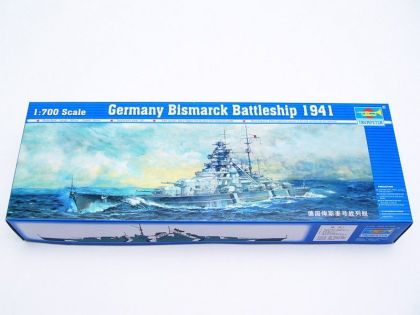
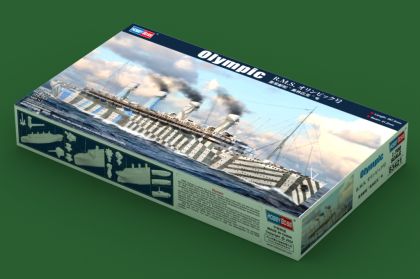
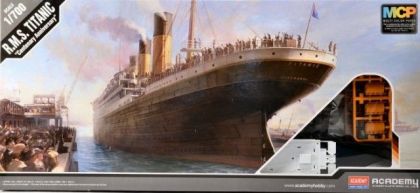
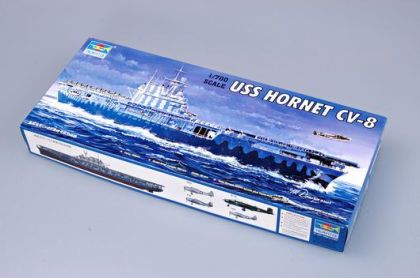
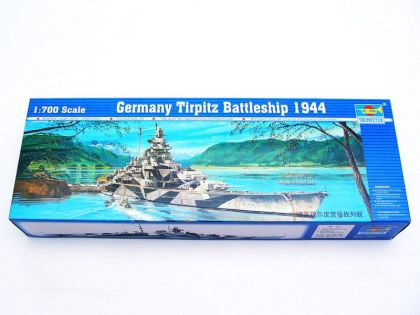
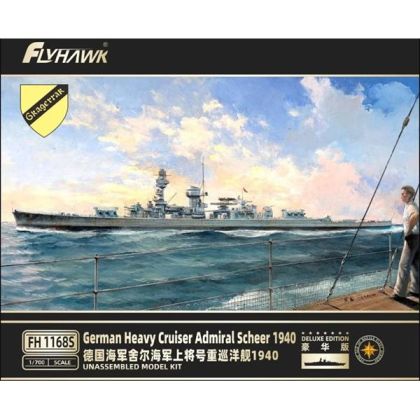
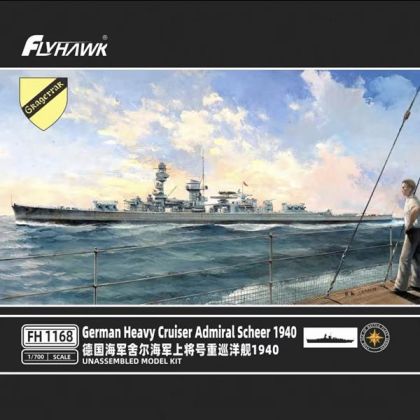
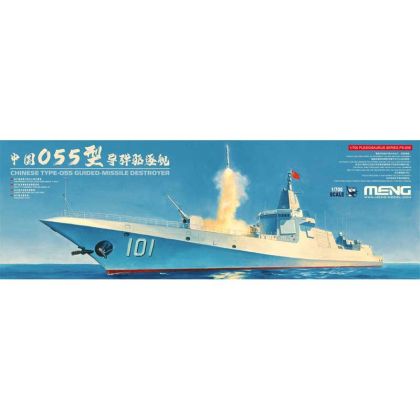
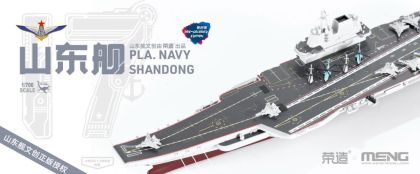
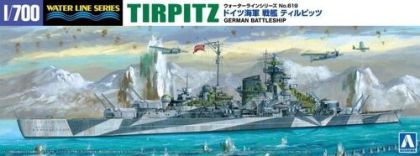
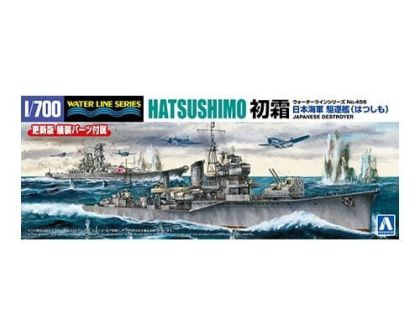
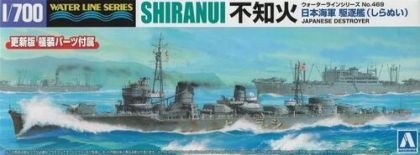
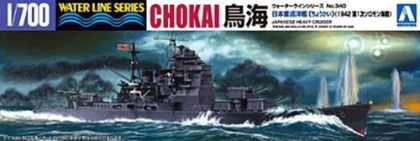
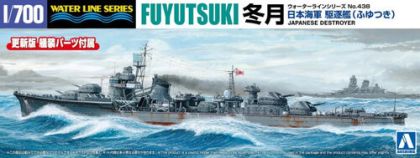
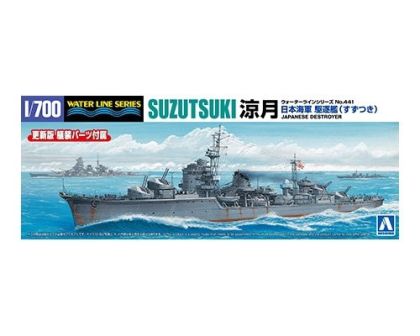
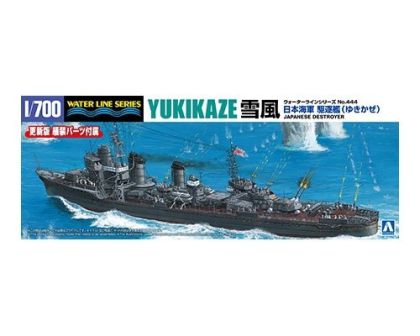
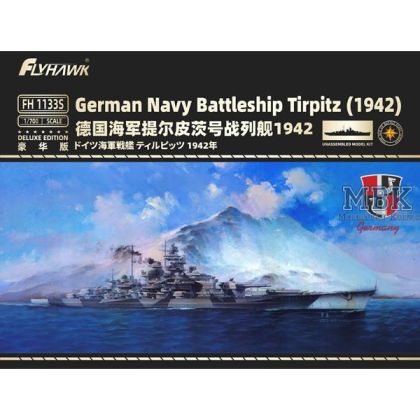
The most widely built ship scale in the world: 1:700 ship model kits will put a whole fleet along the length of a dining table. A battleship measures around 36 cm here, cruisers and destroyers rather less, and the choice is unmatched — the Imperial Japanese Navy, German heavy cruisers, modern Chinese and Japanese destroyers, and pre-coloured boxings that save you spraying the hull. Below we explain why most ship modellers start at 1:700 and why so many of them stay.
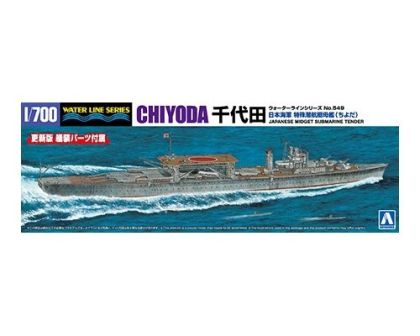
Together with 1:350 it forms the pair around which ship modelling turns: half the length means a quarter of the shelf and a faster build with detail that still holds up. The tradition of waterline kits of Japanese warships made it the home of the largest Second World War selection anywhere — practically every significant Pacific ship has appeared at 1:700 at some point, from fleet battleships to submarine tenders.
Much of the range is waterline: the hull stops at the sea surface and sits flat on a base. Choose a full hull with cradles if you want a conventional cased exhibit. Waterline versions also store and travel to competitions more easily, which is part of why they dominate fleet collections.
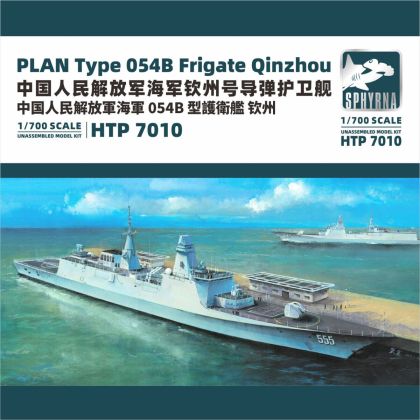
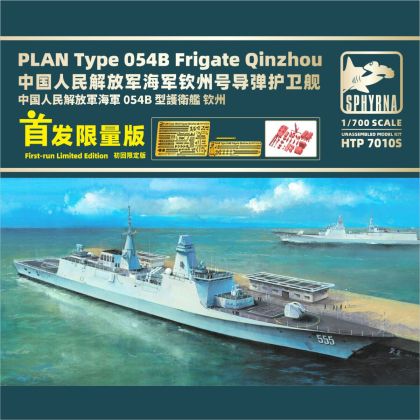
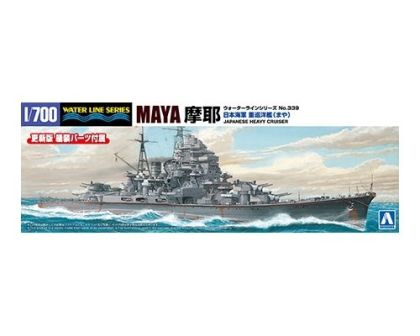
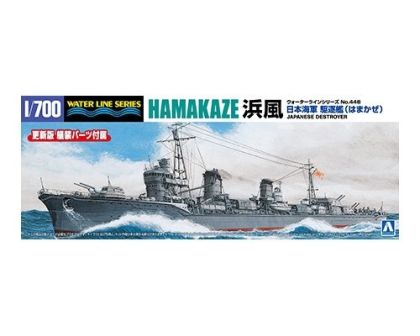
The Second World War belongs to Japanese cruisers and destroyers and to German heavy cruisers of the Admiral Scheer type; the present day to Chinese guided-missile destroyers and carriers, often in pre-coloured boxings that spare you masking the hull. The same size covers 1:700 submarine model kits, so the underwater arm of a fleet is within reach too.
No scale is better supplied: 1:700 ship photo-etched parts add railings and cranes, 1:700 wooden decks bring a real surface, and 1:700 turned barrels give the guns metal muzzles. Clean colour boundaries come from ship paint masks.
The larger relatives of these ships are listed under ship model kits.