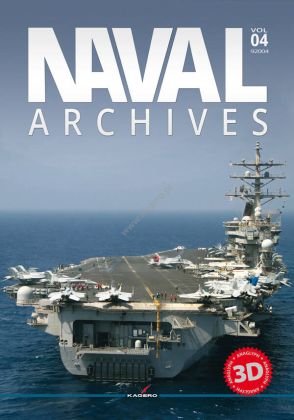
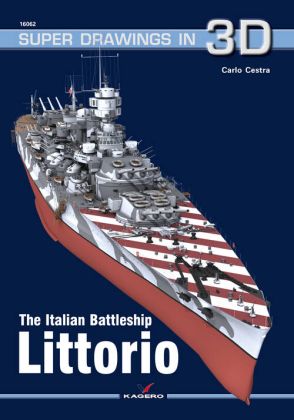
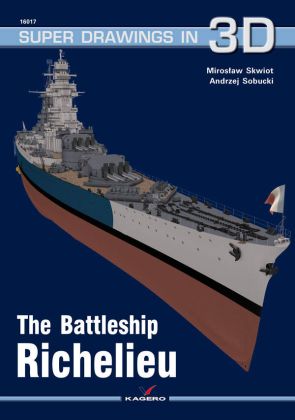
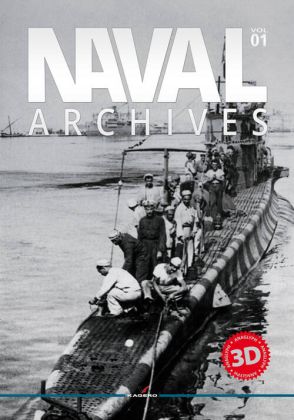
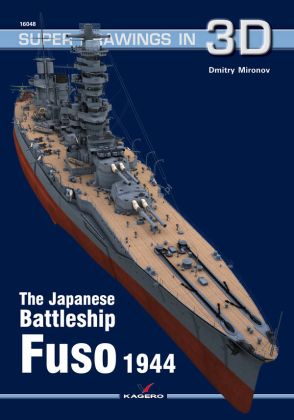
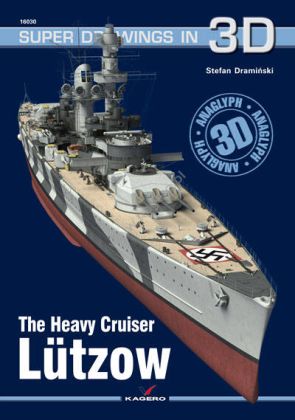
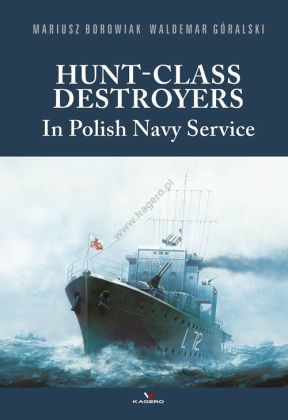
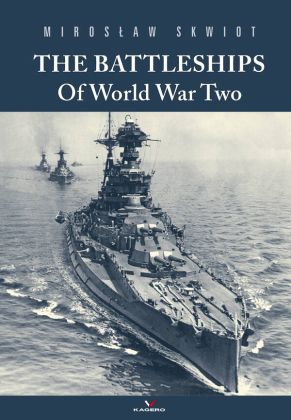
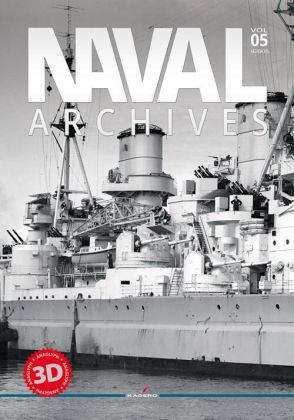
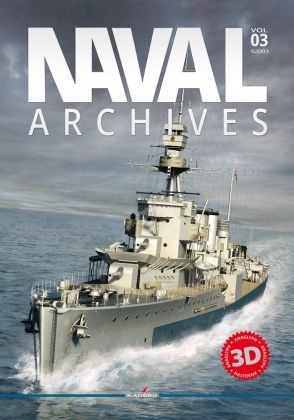
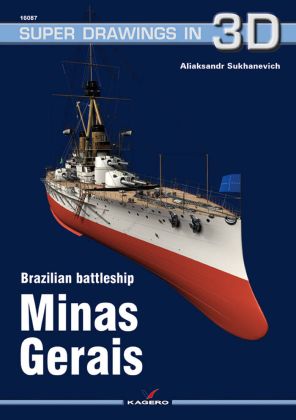
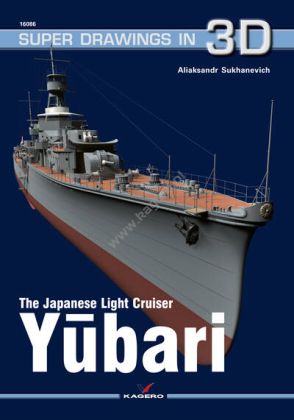
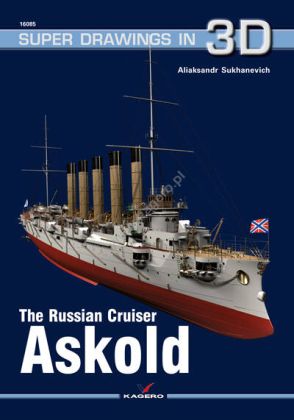
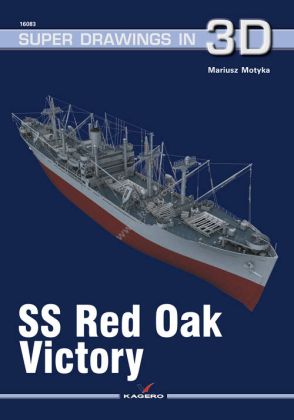
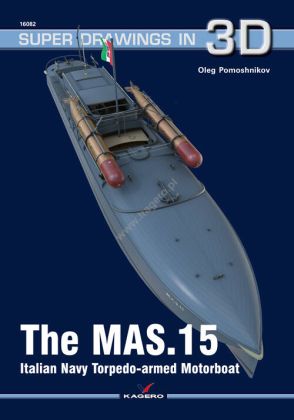
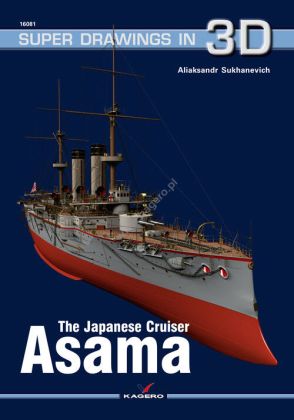
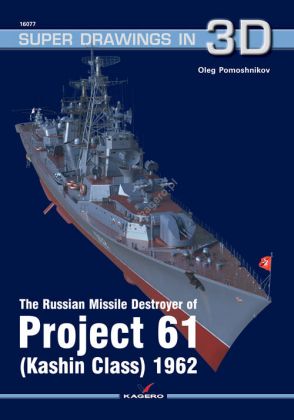
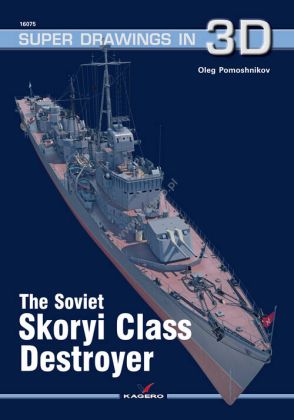
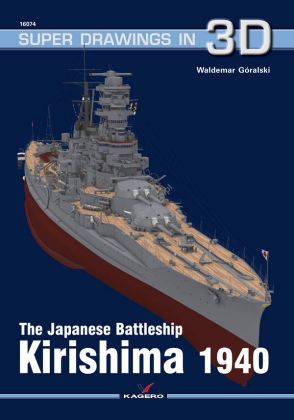
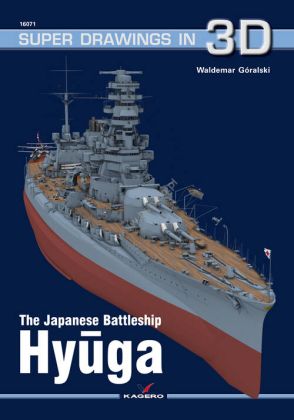
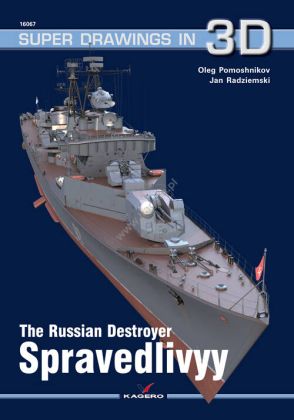
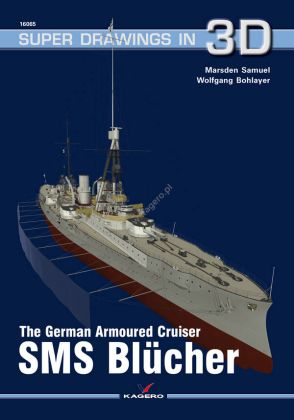
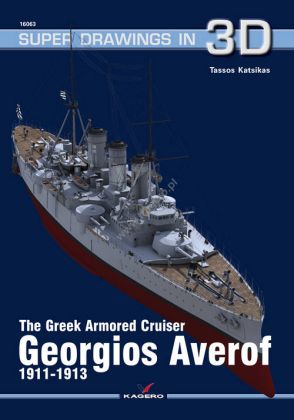
Warships changed faster than almost any other subject a modeller tackles, and the Kagero naval titles are written with that in mind. The listings run from destroyers and motor torpedo boats to heavy cruisers and battleships, covering Japanese, Russian, Italian, German and Allied vessels, plus archive collections that gather several ships into one volume. What matters for a ship modeller is that these books usually pin a vessel to a specific year, because armament, radar and superstructure were altered constantly. Below we explain how to use that.
At its core are type monographs on individual ships: Japanese battleships and light and heavy cruisers, Russian and Soviet destroyers and missile cruisers, Italian battleships and torpedo-armed motorboats, German armoured cruisers and British destroyers in the service of other navies. Multi-volume naval archive sets collect shorter studies of several vessels, and overview volumes survey the battleships of the Second World War.
With warships the date matters more than with any other subject. The same vessel carried different anti-aircraft armament, different radar and often different camouflage in 1940 than in 1944. Most monographs state the year in the title or description - check the same thing for your kit so the two agree.
Many volumes include drawings and schematics for checking the shape of the superstructure and the layout of the armament. Plan views are the most valuable for detailing, because the upper surfaces are the ones actually visible on a finished model, and that is where omissions show.
Photographs then tell you what to add: railings, boat handling gear, the pattern of deck planking, ventilator shapes. Pick the features that will read at the model's scale and leave the rest.
The remaining series sit one level up in Kagero books.