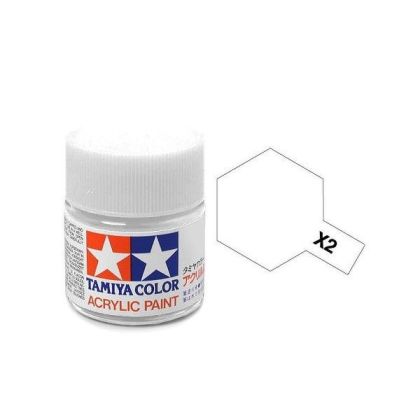
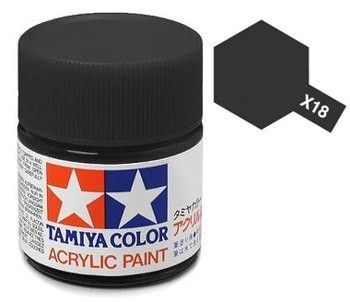
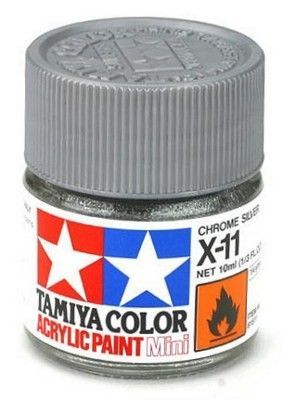
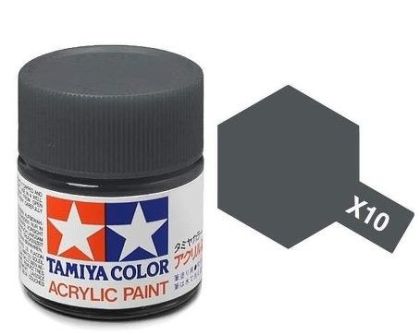
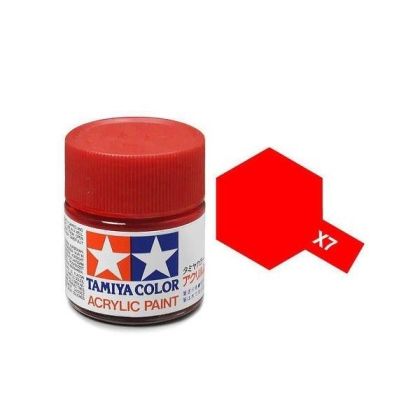
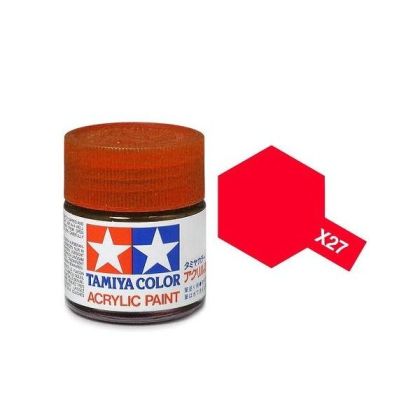
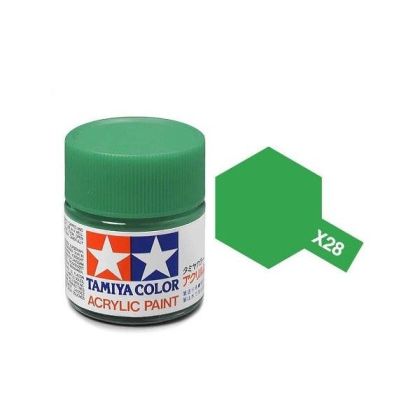
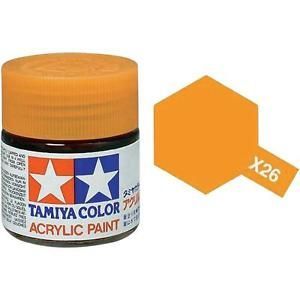
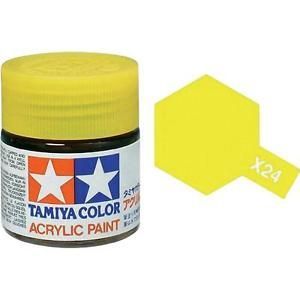
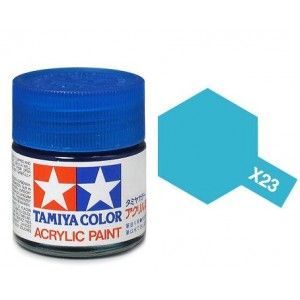
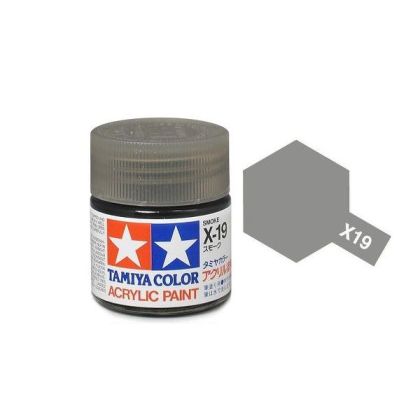
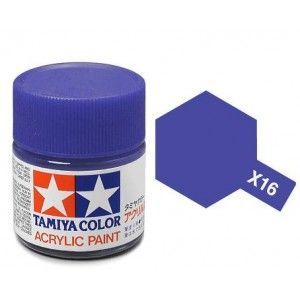
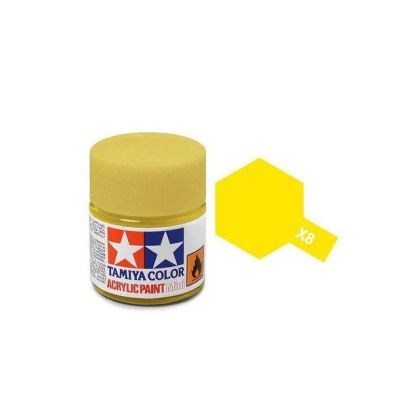
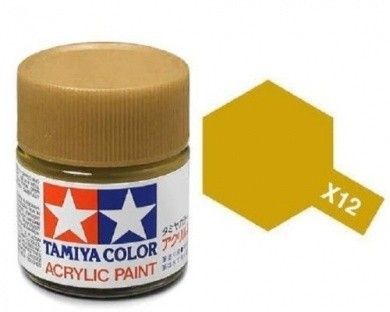
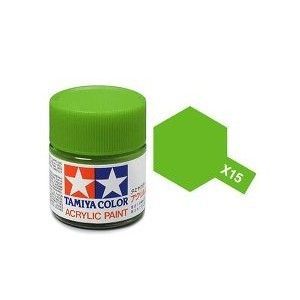
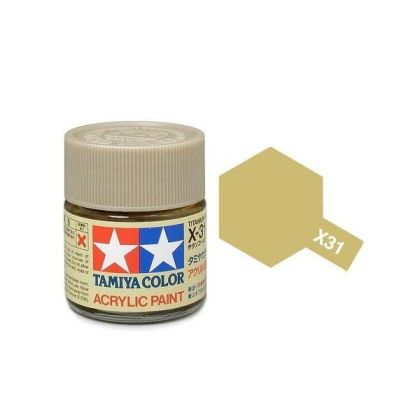
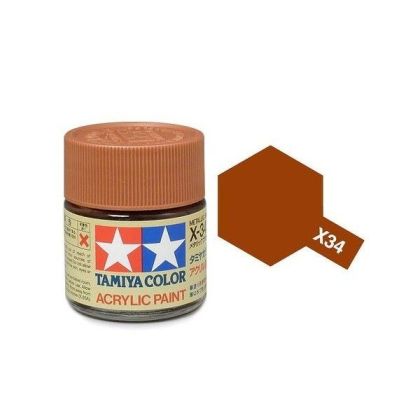
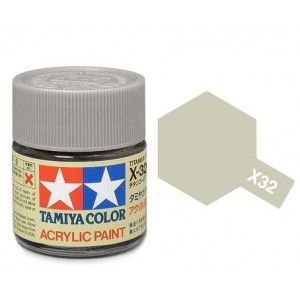
Gloss X shades in the larger jar are aimed at work measured in area: car bodies, hulls, covers and every part that really was lacquered. Alongside the opaque colours sit clear shades for tinting transparent parts.
Twenty-three millilitres covers a whole body with a margin for repairs, so the paint will not run out halfway across a panel and leave you buying a jar from a different batch. Below we go through surface preparation, why spraying beats brushwork on an area this size, and how clear shades behave over a silver ground.
Sheen is more than a question of looks. A decal on a matt ground betrays its carrier film, because air is trapped beneath it. That is why the areas under decals are brought to gloss first. The second domain is cars and motorcycles, where the depth of the finish decides the impression the whole model makes.
Gloss paint amplifies every scratch and every speck of dust. Smooth the area with a fine abrasive, degrease it and work in the cleanest conditions you can manage. Lay thin coats and let the last one dry untouched.
Large gloss areas are difficult by hand, because every stroke leaves a mark. Spraying equipment is in the airbrush section, and the paint should be brought down beforehand with the matching thinner.
Once cured, the shine can be lifted further with a coat from the clear coats range or by careful polishing. Clear shades go onto clean transparent styrene, or over a silver ground that gives a headlamp depth.
Gloss paints get their heaviest use on car and formula kits, where surface quality is judged as strictly as the accuracy of the shape. They also serve on lacquered aircraft panels, on ship hulls and anywhere the real surface was smooth and shining.