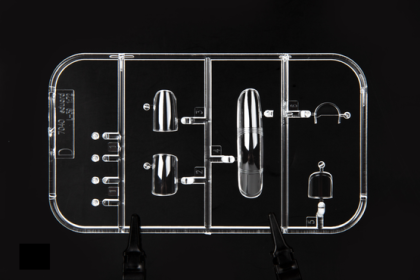
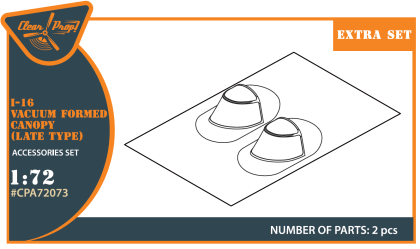
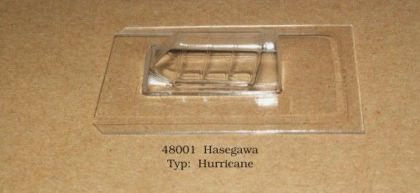
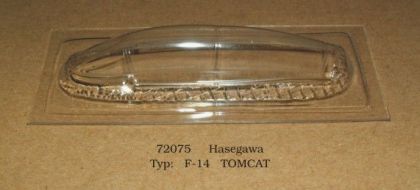
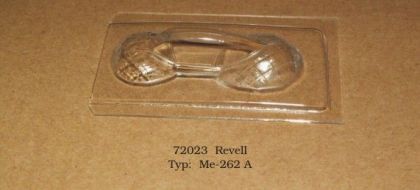
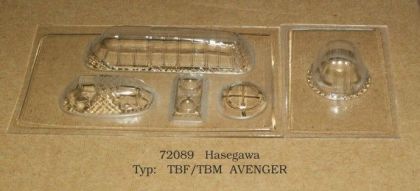
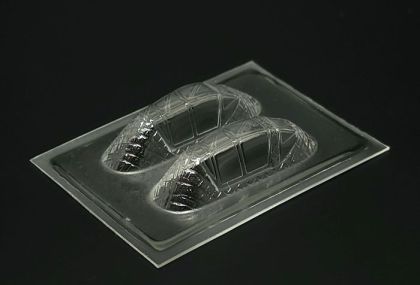
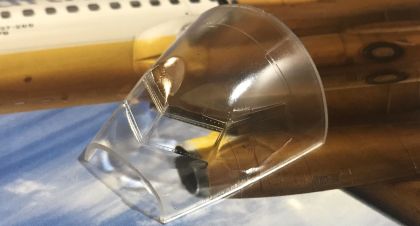
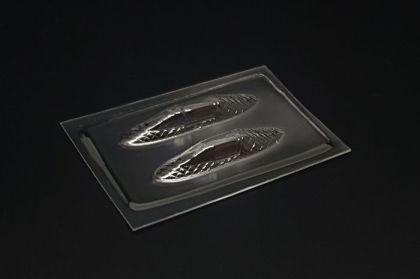
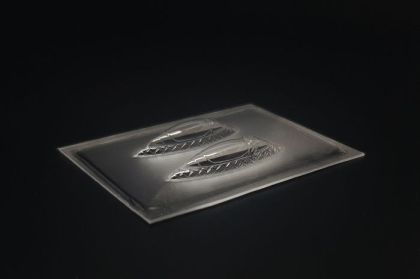
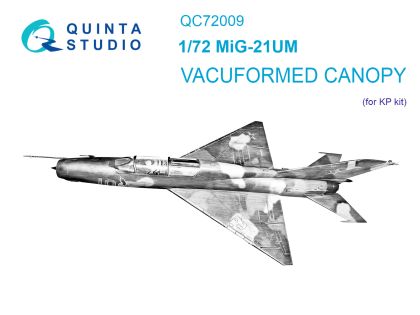
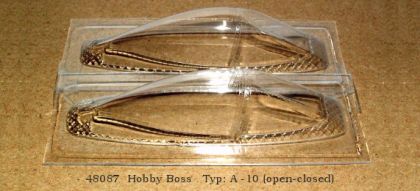
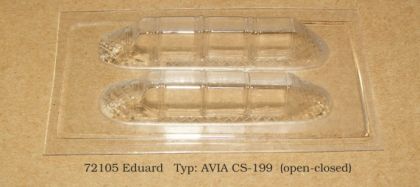
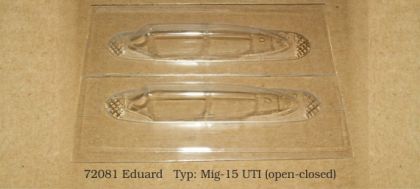
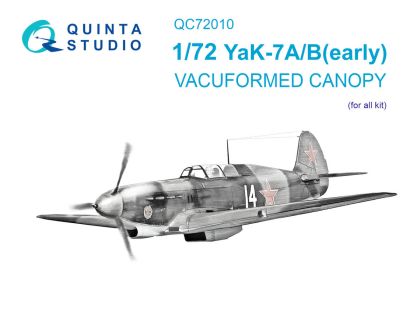
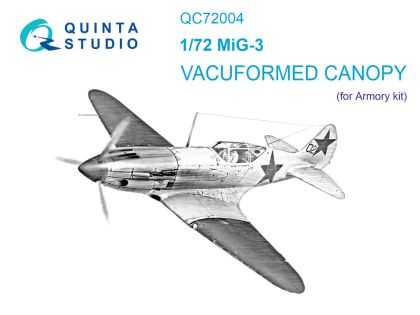
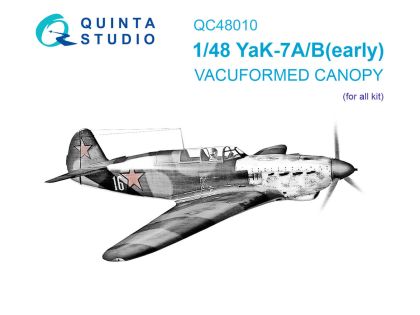
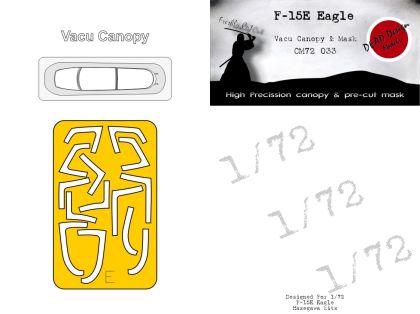
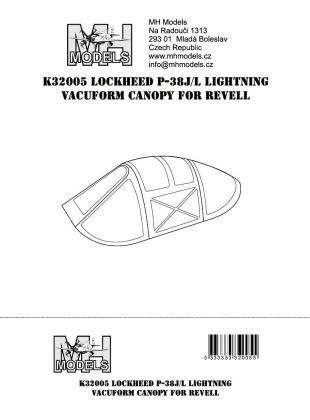
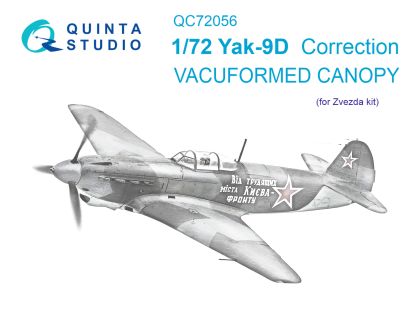
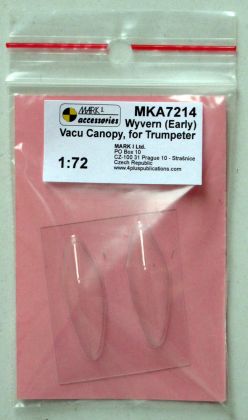
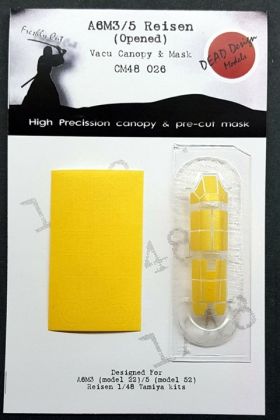
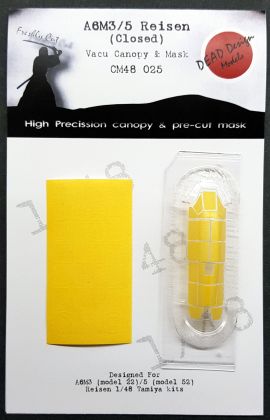
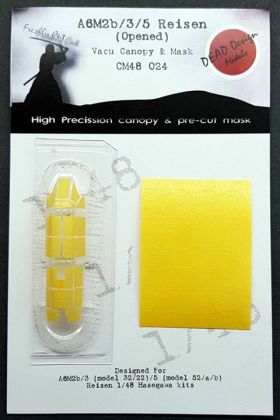
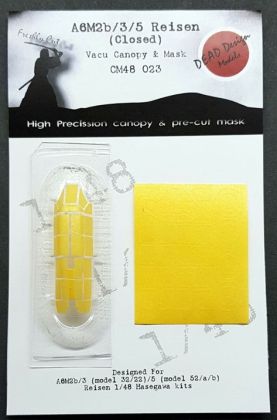
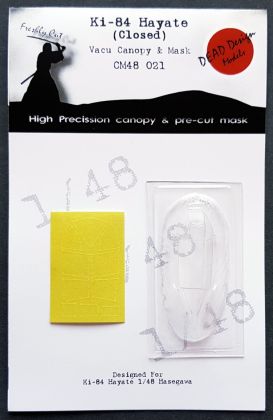
Vacuum-formed canopies rescue a build the moment the kit hood turns out scratched, over-thick or simply missing. These are clear, vacuum-drawn replacement glazings, usually thinner and clearer than the injected part, so the cockpit underneath finally shows through instead of sitting behind a distorting pane. The listing holds clear drawn hoods formed for named kits, in open and closed versions, and often supplied together with a die-cut mask for the framing. How to choose one, and how to trim it without cracking the film, is set out below.
An injected canopy has thick walls that distort whatever is behind them, and on older mouldings it may carry seams or scratches straight across the pilot's line of sight. A vacuum-formed hood is drawn from thin clear film: it does not distort, it lets you display an open cockpit, and it replaces the part that cracked during the build or vanished into the carpet. On many older kits it is the quickest single step up available, because the canopy is the first thing anyone looks through. It also works as insurance, since cutting the open version leaves the kit part in reserve.
Hoods are formed over the fuselage of a particular moulding, so read the kit named in the set title. The same aircraft from two different toolings differs in frame outline and fuselage width. Where a set says all kits it will suit most mouldings of that type, though a dry fit before the cockpit is closed up is still worth the two minutes.
The deepest selection covers the two busiest series, 1:48 vacuum-formed canopies and 1:72 vacuum-formed canopies, where thin film makes the greatest difference. Collectors of miniatures and builders of large subjects are served by canopies in other scales, from 1:144 up to 1:32.
Many types come in open and closed form, sometimes both in one bag, so the decision can wait until the cockpit is finished. Combined sets are the practical choice, because the hood arrives with a die-cut mask for the framing and spares you measuring fractions of a millimetre on a curved surface.
A new hood pays off most over a well-equipped cockpit, so combine it with interior detail sets and seatbelts. The airframes that gain the most are listed in aircraft model kits.