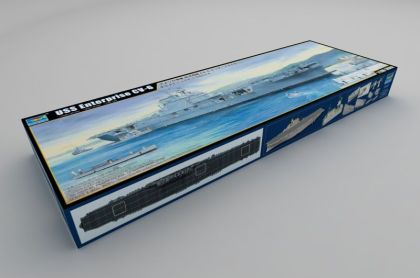
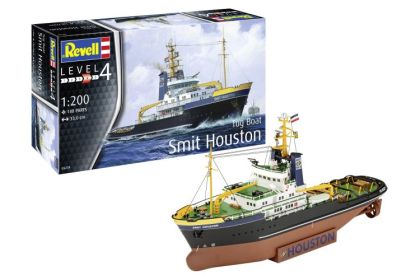
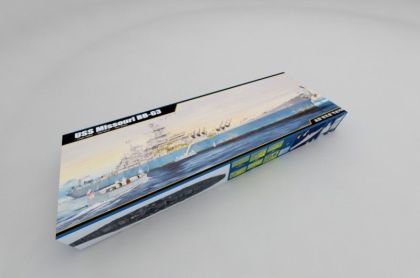
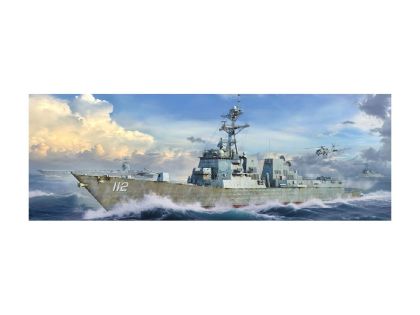
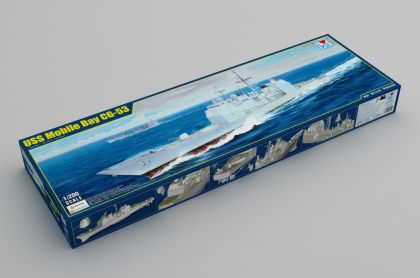
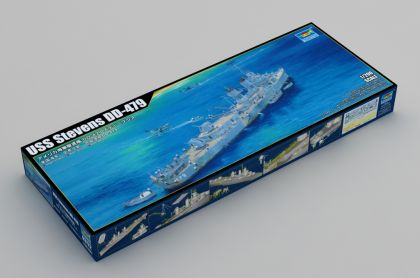
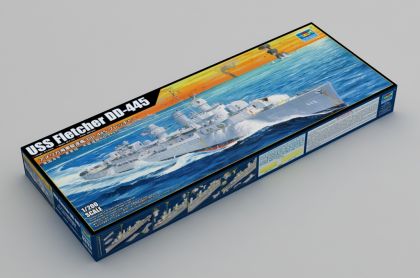
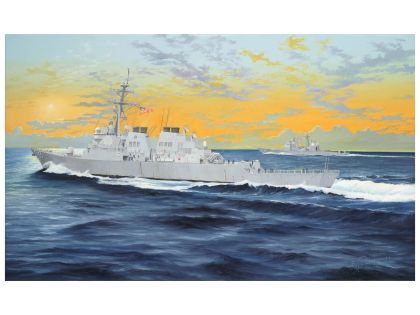
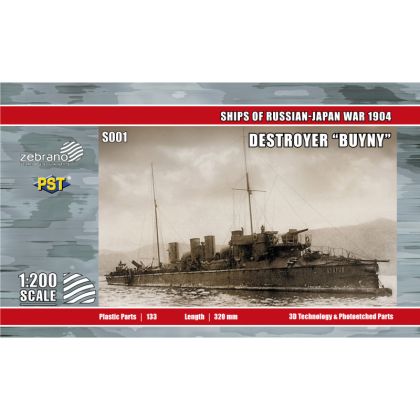
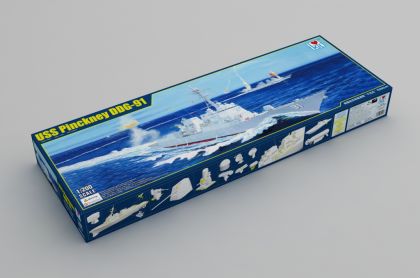
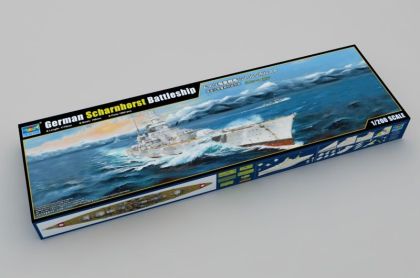
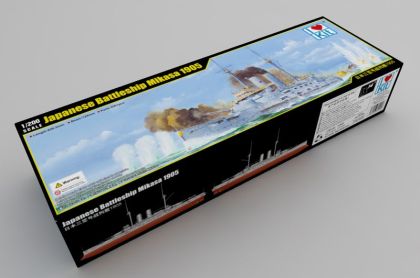
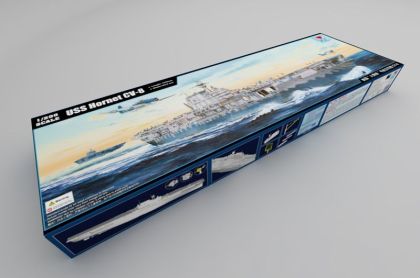
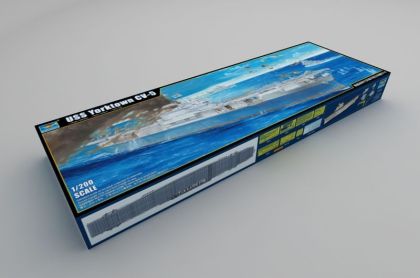
Museum format for patient builders: 1:200 ship model kits are the largest everyday ship scale, and a destroyer measures over half a metre in it. The shelf is led by American destroyers and cruisers from the Second World War through to the current Arleigh Burke class, joined by the ocean liner Olympic. If you want to build for months and finish with something visitors stop in front of, this is the right place. Below, how to choose a subject and how to equip the build properly.
Twice the detail of 1:350, and not only on paper. Deck equipment, radar, boats and individual superstructure windows are large enough to take full etched and timber treatment, and the result is a competition-grade model of the kind you see in museum cases. The cost is obvious: time, patience and space. A finished hull wants a shelf at least fifteen centimetres deep and solid cradles.
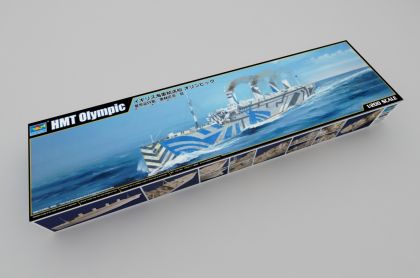
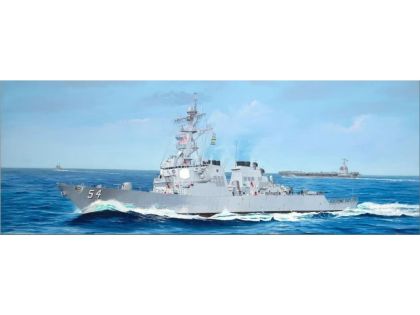
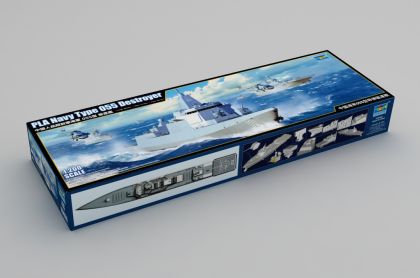
Current guided-missile destroyers offer phased array panels and broad grey surfaces where paint quality decides everything. Second World War ships such as the Fletcher class destroyers add crowded armament and far more scope for weathering. Civilian elegance is supplied by the four-funnelled Olympic, Titanic's sister in wartime service.
A half-metre hull needs a stable working space and a planned sequence: hull and deck first, then superstructure in complete blocks, painted separately and fitted finished. Large areas are best sprayed, which is where an airbrush with a fine nozzle earns its keep. Mark the underwater boundary with tape from a scribed reference line; freehand will never be straight over that length.
This is where aftermarket parts make the most difference: 1:200 ship photo-etched parts for railings and radar, 1:200 wooden decks in place of printed styrene, and 1:200 turned barrels for the main calibres.
More compact formats for the same large ships are listed under ship model kits.