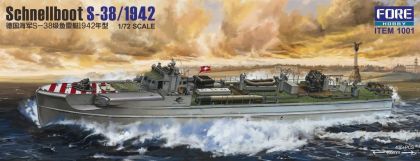
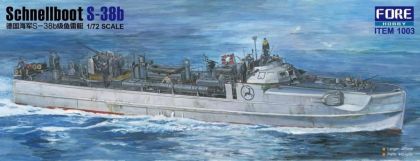
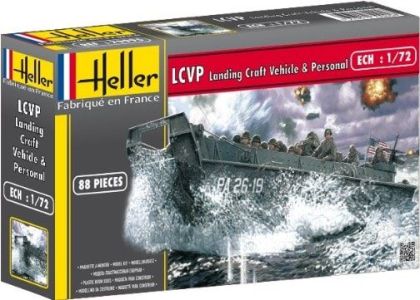
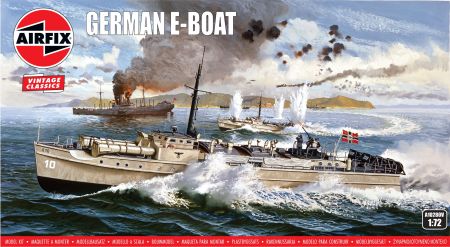
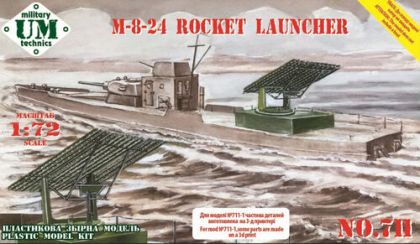
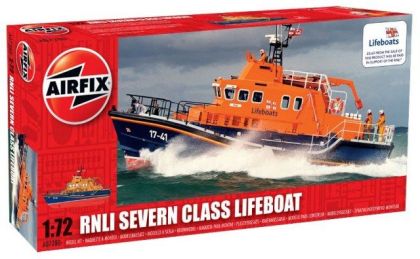
Fast attack craft, torpedo boats, river gunboats and a Roman trireme: 1:72 ship model kits belong to vessels where you want to see the crew, the armament and every deck fitting. The scale shares its world with aircraft and figures, which makes dioramas obvious — an S-boat caught in the open with an aircraft overhead, for instance. Below we explain why small warships are moulded at this size, how much bench space to clear for one, and which detail sets match it. Allow for the length before you start: a thirty-five-metre boat is close to half a metre of finished model.
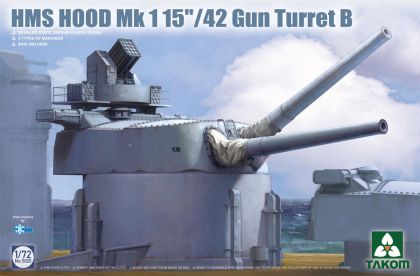
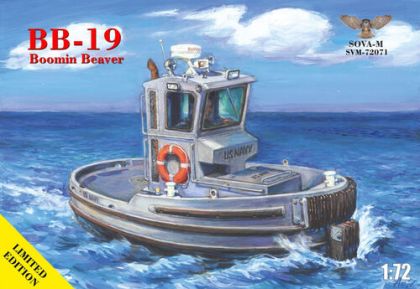
A capital ship at this scale would run past three metres, so the shelf belongs to vessels of roughly forty metres and under: torpedo and fast attack boats, patrol cutters, rocket-armed river craft and oared historic hulls. On these, the scale shows everything smaller sizes have to leave out — deck plank relief, stowed equipment, weapons and crew figures caught mid-action. The boats also share a display case with aircraft of the same size.
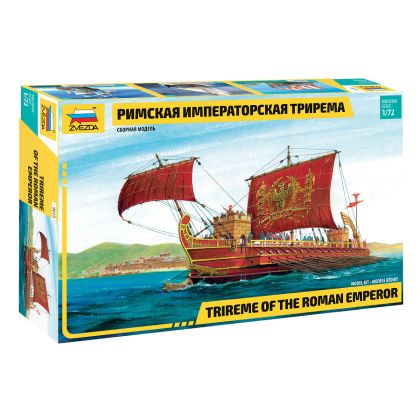
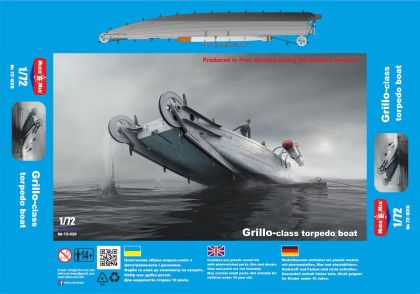
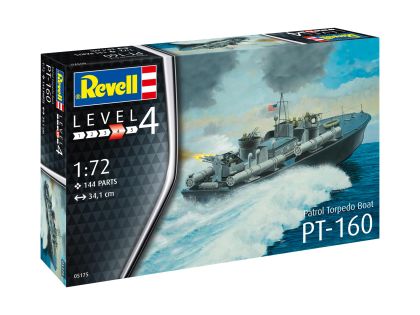
The Second World War supplies German S-boats, Italian MAS craft and American PT boats; more recent decades bring patrol cutters; antiquity is represented by a Roman trireme whose banks of oars and painted hull will absorb most of your bench time. Beneath the surface, 1:72 submarine model kits share both the case and the adversaries.
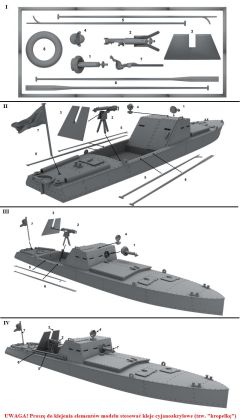
Plan for length: a thirty-five-metre boat comes out at close to half a metre. In return you get a build that needs no magnifier and a model that stands up to close inspection. Glue slim hulls on a flat surface and leave them weighted until fully cured.
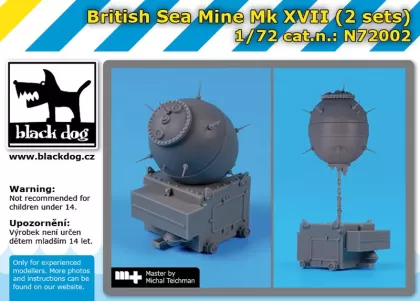
Large scales are where fine parts pay off: 1:72 ship photo-etched parts add railings and deck hooks, 1:72 wooden decks replace printed planking with real veneer, and 1:72 turned barrels give the guns perfectly round muzzles.
Other scales and the large surface ships are grouped under ship model kits.