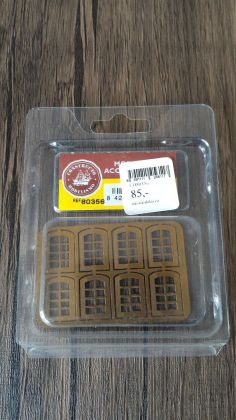
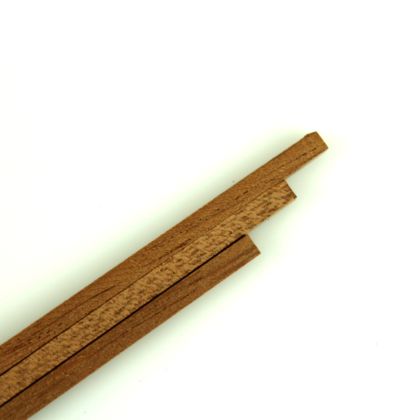
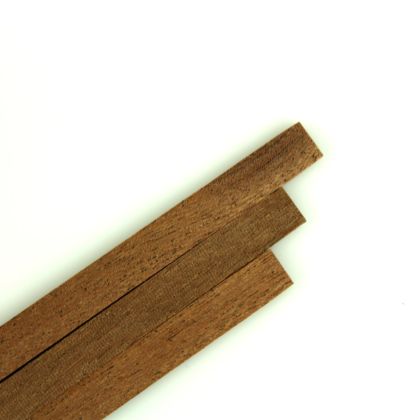
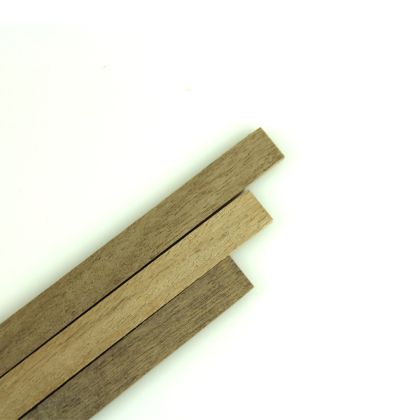
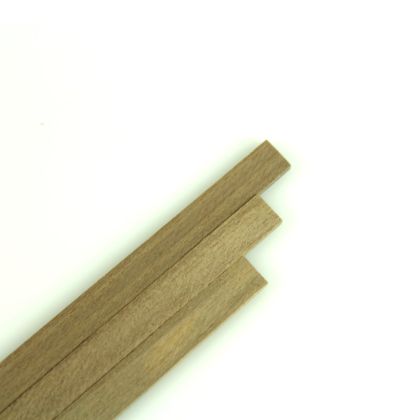
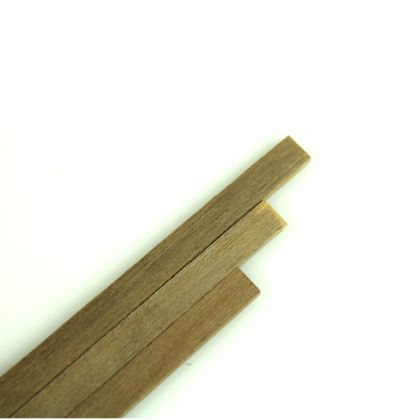
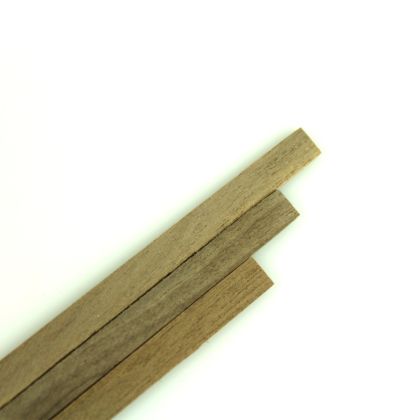
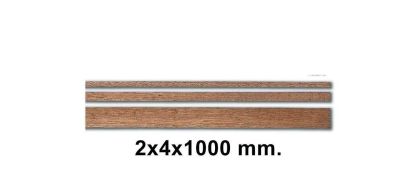
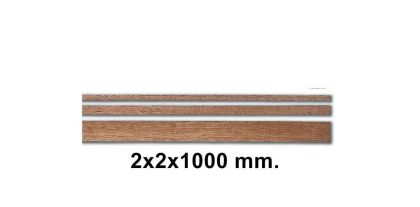
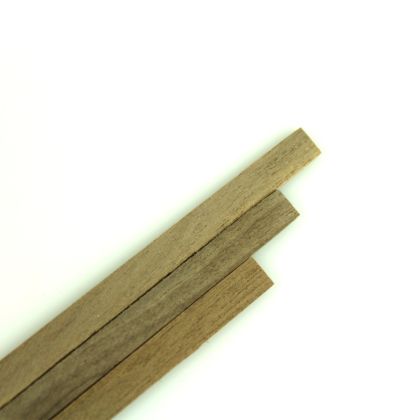
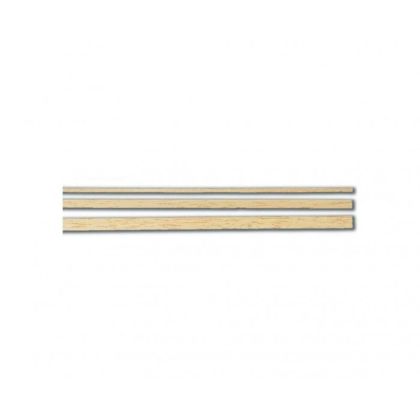
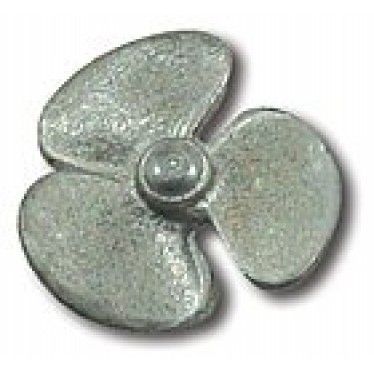
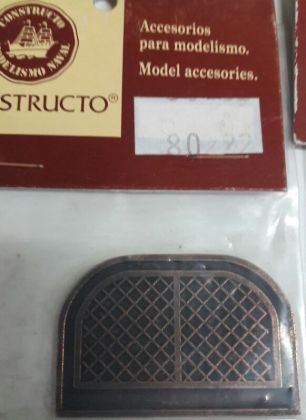
Accessories for wooden ship models are the material store the hull is actually built from. Here are strips and veneers in bundles — sections from a single millimetre up to several millimetres, in lengths of about one metre — in pale, warm and dark timbers according to where on the model they go. Beside the timber sit the fittings: propellers in various diameters and finishes, and stern pieces in several sizes.
Material is bought by the bundle because a hull consumes a great deal of it, and because a proportion of every bundle is lost to breakage and trial bends. The notes below explain how to read the sections and how to plan the timber.
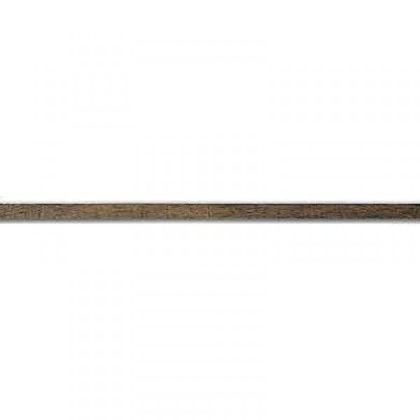
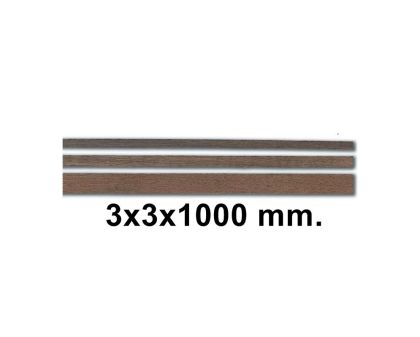
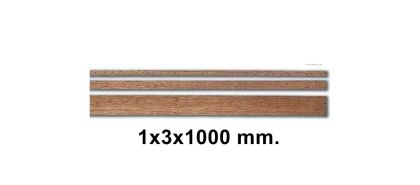
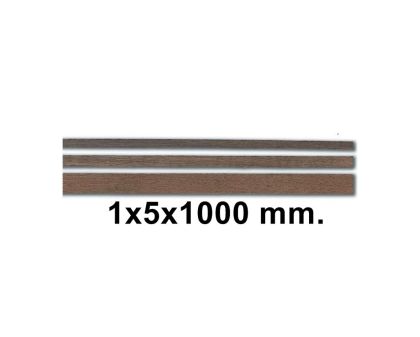
Strips are designated by the two dimensions of the cross-section and the length, for instance 2 x 5 x 1000 mm, and sold in tens or twenties. Thinner sections are intended for visible veneer work and for margins, heavier ones for structure, deck beams and internal stiffening. Veneers measured in tenths of a millimetre are strictly for the outer skin. Order with margin: some strips break while being bent and some go on test pieces.
The first planking layer and the internal structure want a paler, softer timber that takes shape willingly and sands easily. The visible second layer, the deck margin and the rails call for harder timbers with a fine grain and a darker tone, because those are what decide how the finished model looks.
A wooden ship is traditionally not painted opaque; the timber supplies the colour. The contrast between a pale deck and a dark hull side therefore needs thinking through before the first bundle is bought. Changing it later means painting over, and painting over throws away the whole point of the material.
Propellers and stern pieces come in specific diameters and dimensions in millimetres. Choose them from the length of the hull — an oversized propeller is the first thing a visitor notices on a finished model.
The build sequence and the wider context are in wooden ship models.