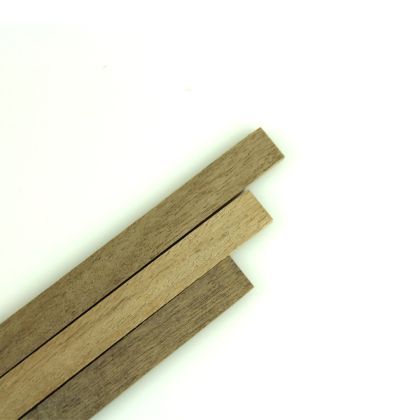
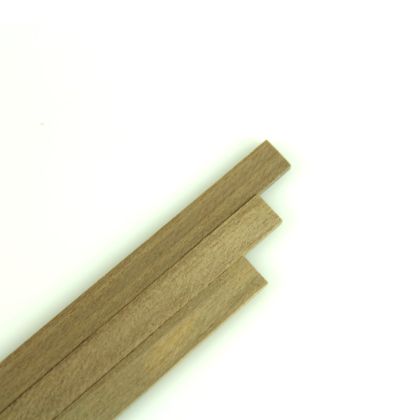
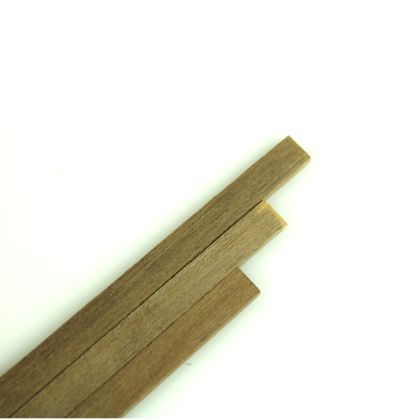
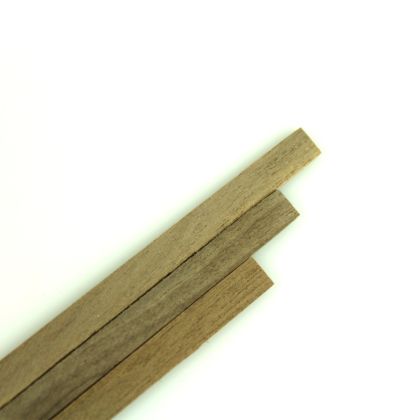
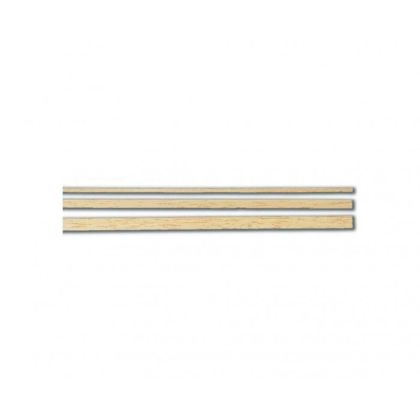
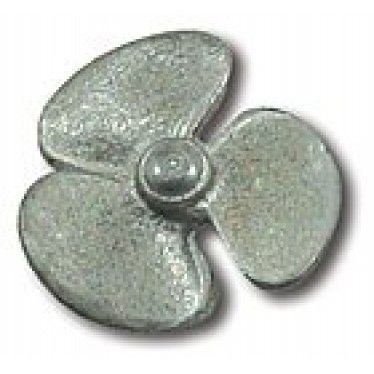
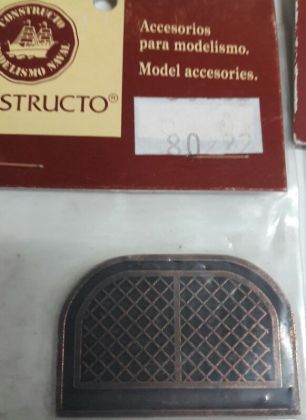
Wooden ship modelling is the last of the great craft disciplines in the hobby. A hull is not moulded; it is built from a keel, frames and hundreds of narrow strips that are bent, steamed and glued one at a time, and only then come the veneer skin, the fittings, the masts and the rigging. This part of the range holds the material and components that work calls for: strips and veneers in several timbers, propellers, stern fittings and other metalwork.
Plan on months rather than evenings, and on learning a technique rather than following an instruction sheet. The notes below set out how a hull goes together and what to understand about the timber before the first purchase.
The basis is a keel with frames slotted into it, which set the shape of the hull. The first layer of planking goes over them, usually in a softer and easily bent timber, and is sanded smooth. The second layer is the one that shows: thin veneers in harder, darker timbers, laid with an even seam, which give the hull its finished appearance. After that come the deck, the fittings, the masts and the rigging. Every stage has its own tools and its own timber, which is exactly why the material is sold by section and length rather than in a single box.
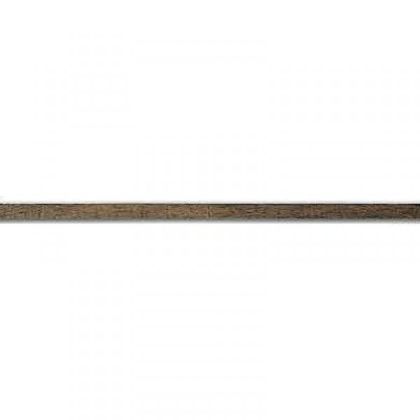
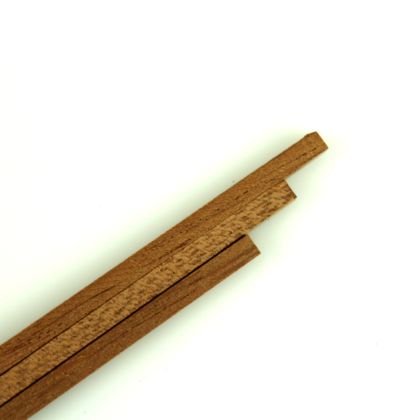
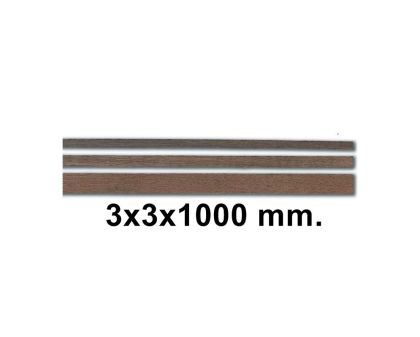
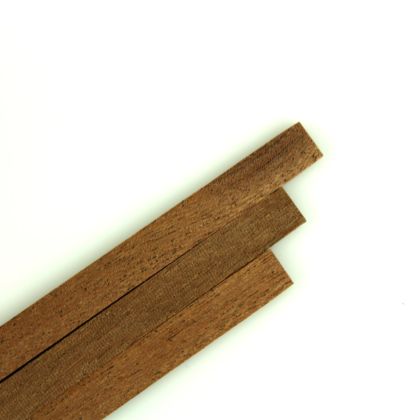
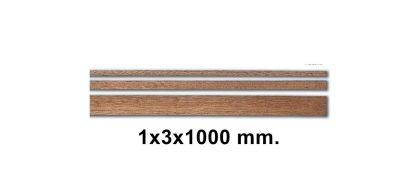
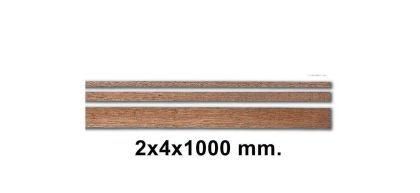
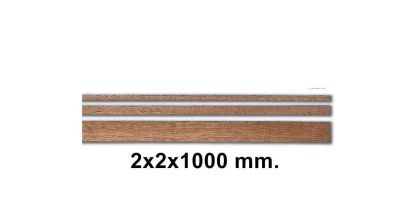
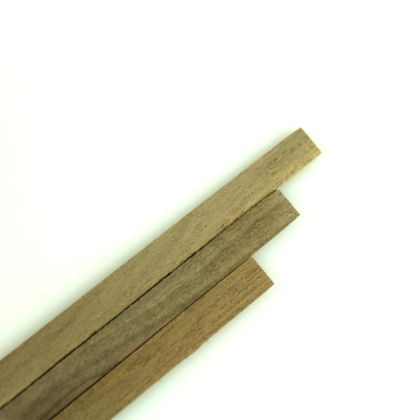
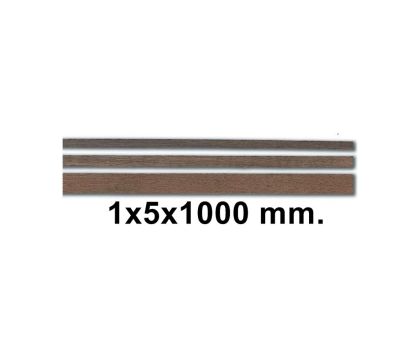
Pale, softer timbers bend readily and suit the first planking layer and internal structure. Dark hardwoods have a fine grain, hold an edge and are used for the visible veneer, deck margins and rails. Between them sit medium-hard timbers with a warm tone. Strips come in sections from a single millimetre upwards, in lengths of around one metre.
A strip is wetted and warmed before it meets the frame so that it takes the shape without cracking. A dry strip bent by force either snaps or distorts the hull as it dries. This is a skill you acquire on the first ten pieces, which is why you order with margin.
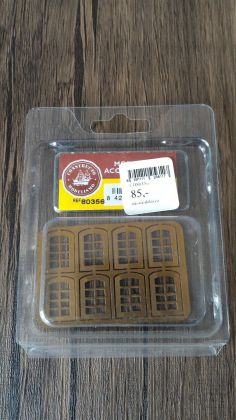
Propellers, stern fittings and other components come in specific dimensions in millimetres. Work their size out from the length of the hull; get it wrong and the whole model reads oddly even though every individual part is good.
Vessels moulded in styrene, which go together considerably faster, are in ship model kits, and historical square-riggers in sailing ships. The wider branch with the other disciplines is other models.