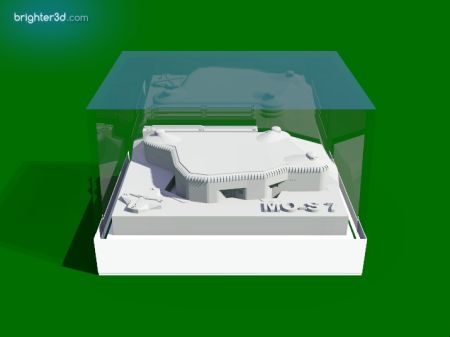
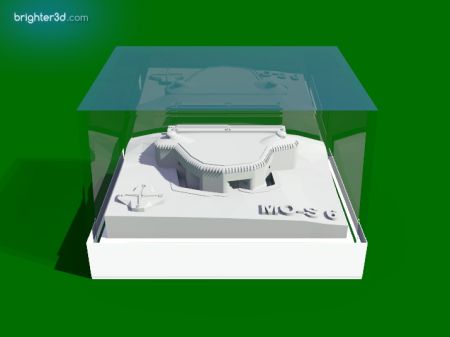
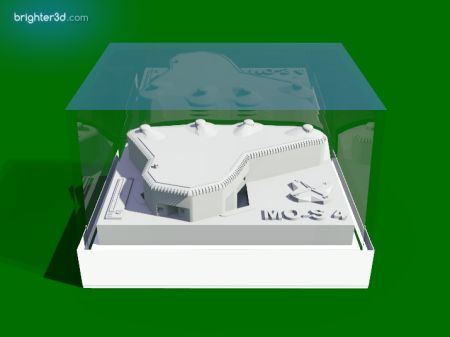
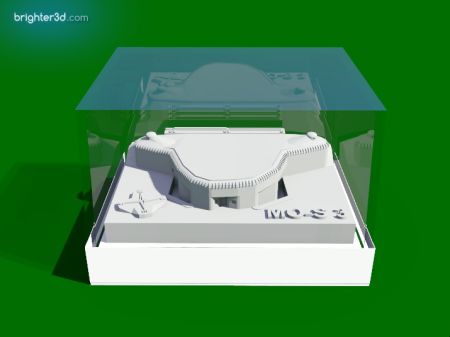
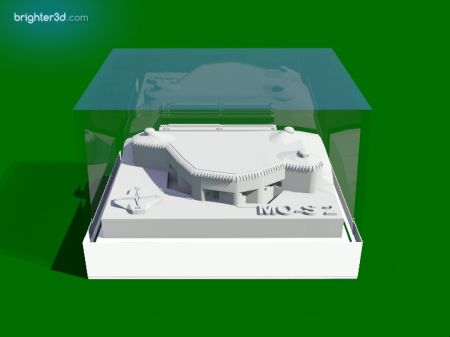
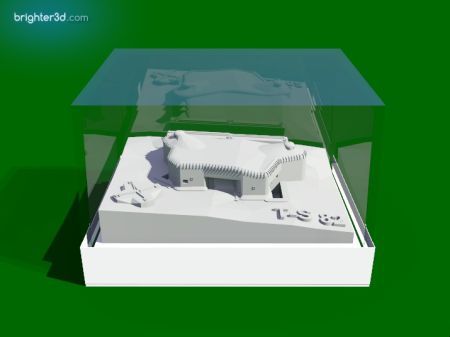
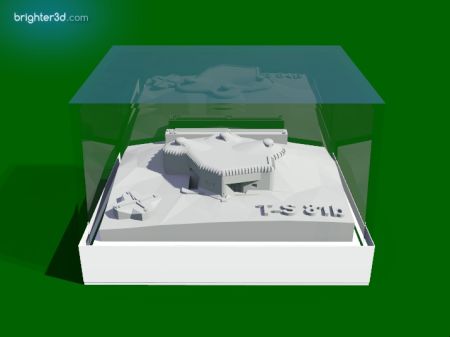
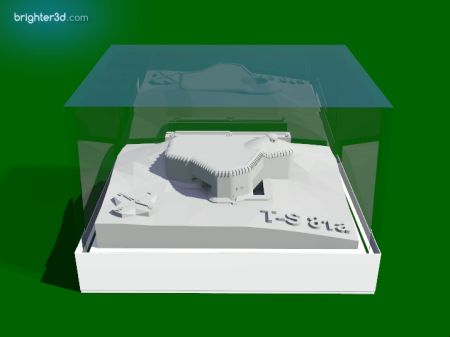
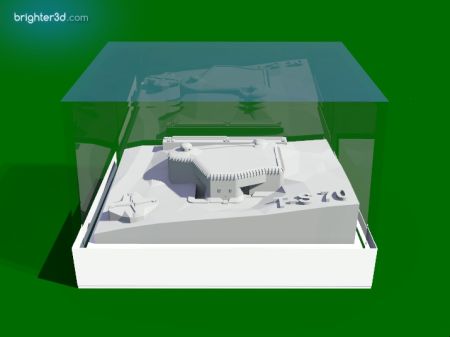
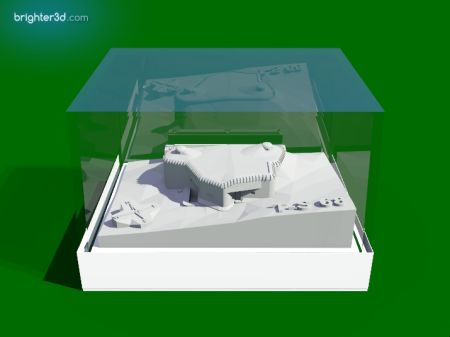
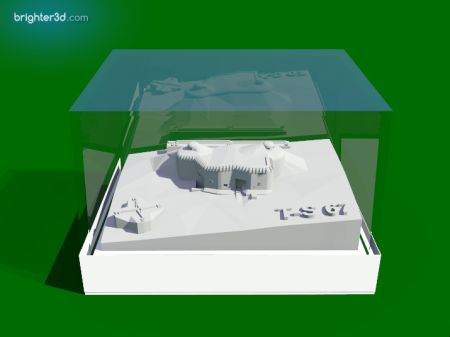
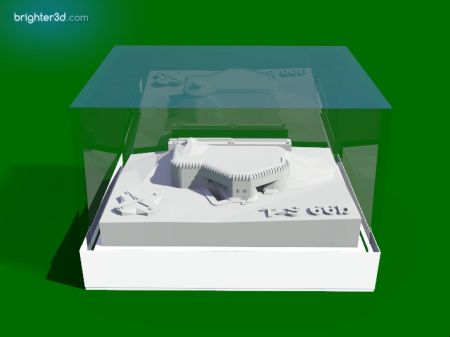
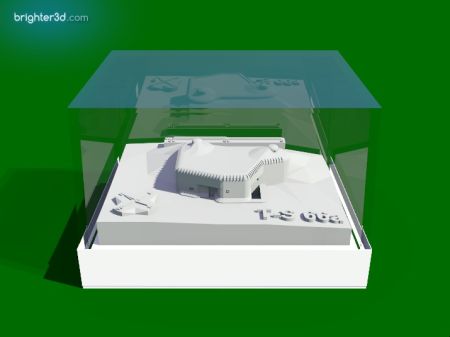
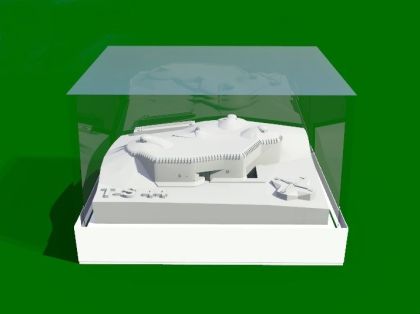
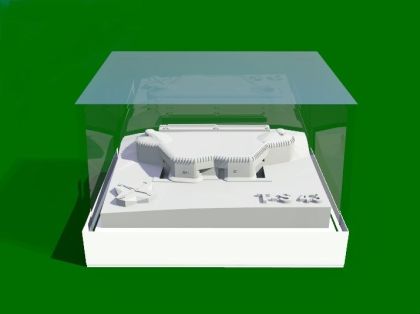
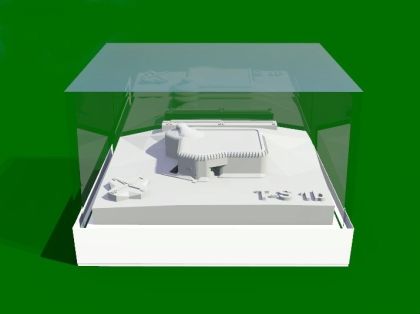
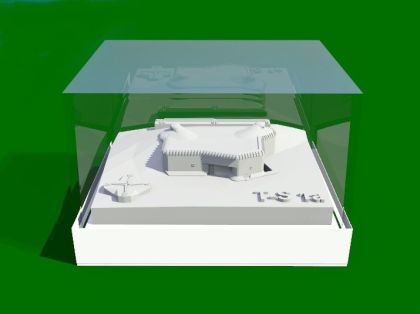
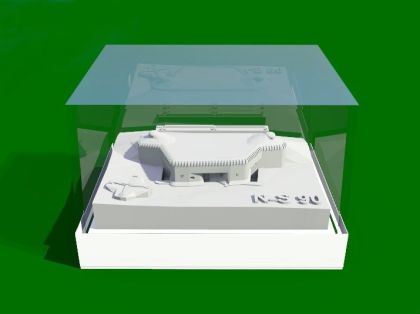
Few modelling subjects are as rooted in one landscape as the Czechoslovak border fortifications, and this is the section that covers them. The castings reproduce light objects of the vz. 36 and vz. 37 patterns, the heavy infantry casemates of the MO-S, T-S and K-S series, armoured observation cupolas and even reinforced-concrete anti-tank obstacles. Foreign subjects appear too: a Maginot Line GFM cupola and a German emplacement of 1917.
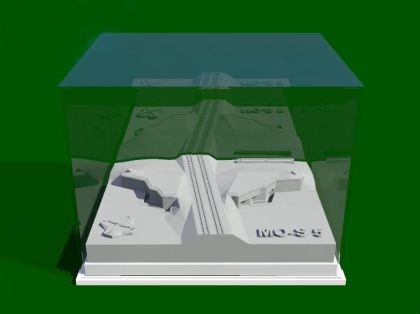
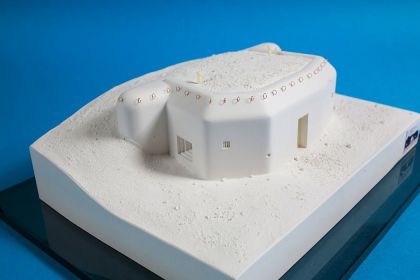
Four scales are available, and each one answers a different question. Large scales are about concrete texture and loophole detail; small scales are about whole positions and the ground they sit in. Many castings come moulded into a piece of terrain, which makes them complete display objects rather than parts for a diorama.
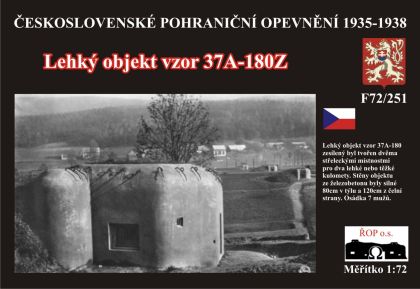
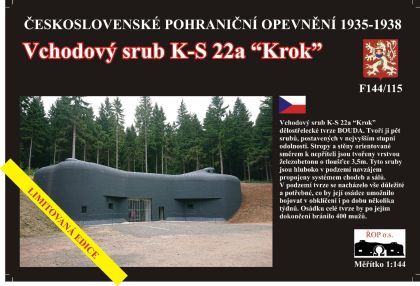
Czechoslovak fortification splits into two families, and both are represented. Light objects, designated vz. 36 and vz. 37 with suffixes such as A-160, A-180Z and D1, were small one- or two-room pillboxes built in their thousands along the frontier. Heavy objects carry two-letter series codes, MO-S for the Ostrava sector, T-S for Trutnov and K-S for Králíky, and are far larger structures with armoured cupolas and flanking embrasures. Alongside them you will find separate castings of observation cupolas and concrete hedgehogs that can be scattered across any ground.
At 1:1000 a heavy casemate is about two centimetres long, which lets you line up a whole defensive sector on a single shelf; these are collector pieces, finished with paint alone. 1:144 is the smallest practical diorama scale here and takes in several non-standard light-object variants.
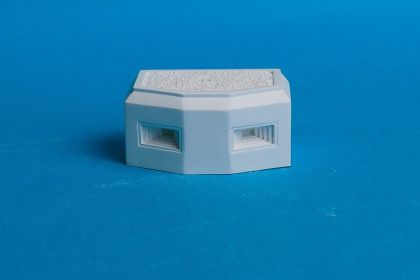
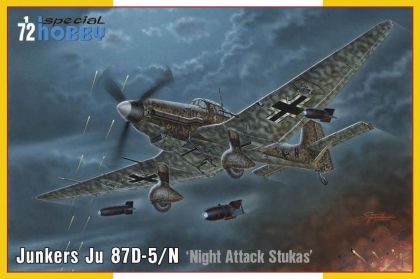
A light object at 1:72 comes out roughly the size of a cigarette packet, big enough for loopholes, embrasure covers and visible concrete texture, small enough to set beside aircraft or vehicles of the same scale. Versions with and without a terrain base are both offered.
At 1:35 the concrete itself becomes the subject: board marks, aggregate, chipped edges and the steel of a cupola. This is the scale that matches armour models and large figures, so it suits a scene with people in it.
Concrete is not grey; it is a pale, slightly warm neutral that shifts with damp, moss and soil splash. Spray a flat base coat, then build the surface up with thin filters and a dusting of weathering pigments worked into the bottom edges. Resin takes a mechanical key well, so a light scuff before priming pays off. Small voids in short-run castings close easily with modelling putty.
The rest of the association's output, including ship models and decals, sits in the ŘOP section.